
☼ BRILLIANT COLORS ☼
Originally shared by ****
1x artist Yaki Zander….. : )
………………………………………………………………………………………………..


☼ BRILLIANT COLORS ☼
Originally shared by ****
1x artist Yaki Zander….. : )
………………………………………………………………………………………………..
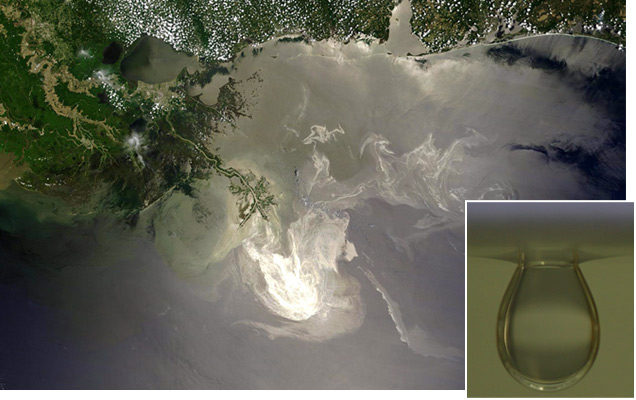
Truth will rise above falsehood as oil above water. But what if water floats above oil? According to a new study published in Langmuir, tiny drops of water (<170 microliters) can stretch the oil surface like a rubber membrane, without breaking through (inset). Such water droplets could harbor oil-eating microbes that could mop up large oil spills like the one seen in this NASA image of the Deep Water Horizon disaster. These surface droplets can maintain high levels of dissolved oxygen due to direct exposure to the air, which is great news for bioremediation.
Movie: http://goo.gl/Xj6wQ
Paper: http://pubs.acs.org/stoken/presspac/presspac/full/10.1021/la204820a
Fantastic, Must Watch for PF fans via Chad Haney .
Originally shared by Jonathan Langdale
For a Youtube mashup, this is pretty good. 5 million views and a ride on the CERN LHC. If you don’t already have it favorited, you probably should.
.

About those microscope images that I post? It’s time for the truth.. ;P

MIGRATION OF THE MONARCH BUTTERFLY
• Clockwork Orange: Like clockwork, each fall millions of fragile monarch butterflies from northeastern America journey 4000 km to a small area of central Mexico, to winter amidst the sacred fir groves. In the spring, the butterflies mate and begin their fluttering journey back north.While individual butterflies complete the southward journey, a succession of short lived generations make their way back north.
• Treasure trove of Navigation:This marathon is unparalleled in the insect world and approaches the sophistication of vertebrate animals, like birds. Yet, the brain of a monarch butterfly is no larger than a pinhead! They cannot learn this behavior because migrant butterflies are separated by at least two non-migrant generations. So how do they do it?
• Built in GPS: Butterflies use the sun as compass. As the sun moves east to west over the course of the day, they use an internal circadian clock to make adjustments. The clock resides in their antennae and in the brain. (If the antennae are dissected out, they continue to show cyclical changes that can be entrained to light.) Special cryptochrome proteins control these cycles. They also use magnetic fields for navigation: magnetite (iron oxide particles) that may sense magnetic fields have been found in butterflies, or they may use “light-dependent magnetoreception”.
• Genome for a King: Recently, the genome of the monarch butterfly was completely sequenced, revealing 16,866 genes spread out over 273 megabases of DNA. Genetic regulation pauses the reproduction of migrating monarchs, greatly increases life span, abdominal fat stores, cold tolerance and wanderlust! Despite being the same species, interim generations do not make the long trip. A subset of regulatory molecules (microRNAs), buried in the genetic map, are expressed differently in migratory monarchs relative to the nonimmigrant generations.
• Milkweed Specialization: Larvae feed exclusively on poisonous milkweed (Asclepias) which contain cardioactive glycosides (used to treat heart failure). The chemicals inhibit the sodium pump found in all animal cell membranes but monarch butterflies are resistant because they carry two mutations in the drug binding site of the pump. This makes them highly unpalatable to predators and lets them flaunt their gaudy colors with impunity!
WATCH: The Pacific Grove habitat of non-native Eucalyptus attracts millions of butterflies as explained in the video in this link via Ron K Jeffries : http://science.kqed.org/quest/video/science-on-the-spot-monarch-meetup/
LISTEN: “Before I sink into the big sleep, I want to hear, I want to hear, the scream of the butterfly” (from When The Music’s Over The Doors, 1967). The Doors – When The Music’s Over (LIVE IN EUROPE 1968) This was the opening quote of a free review on Navigational mechanisms of migrating monarch butterflies found here: www.ncbi.nlm.nih.gov/pubmed/20627420. Cool science and music!
For ScienceSunday #sciencesunday
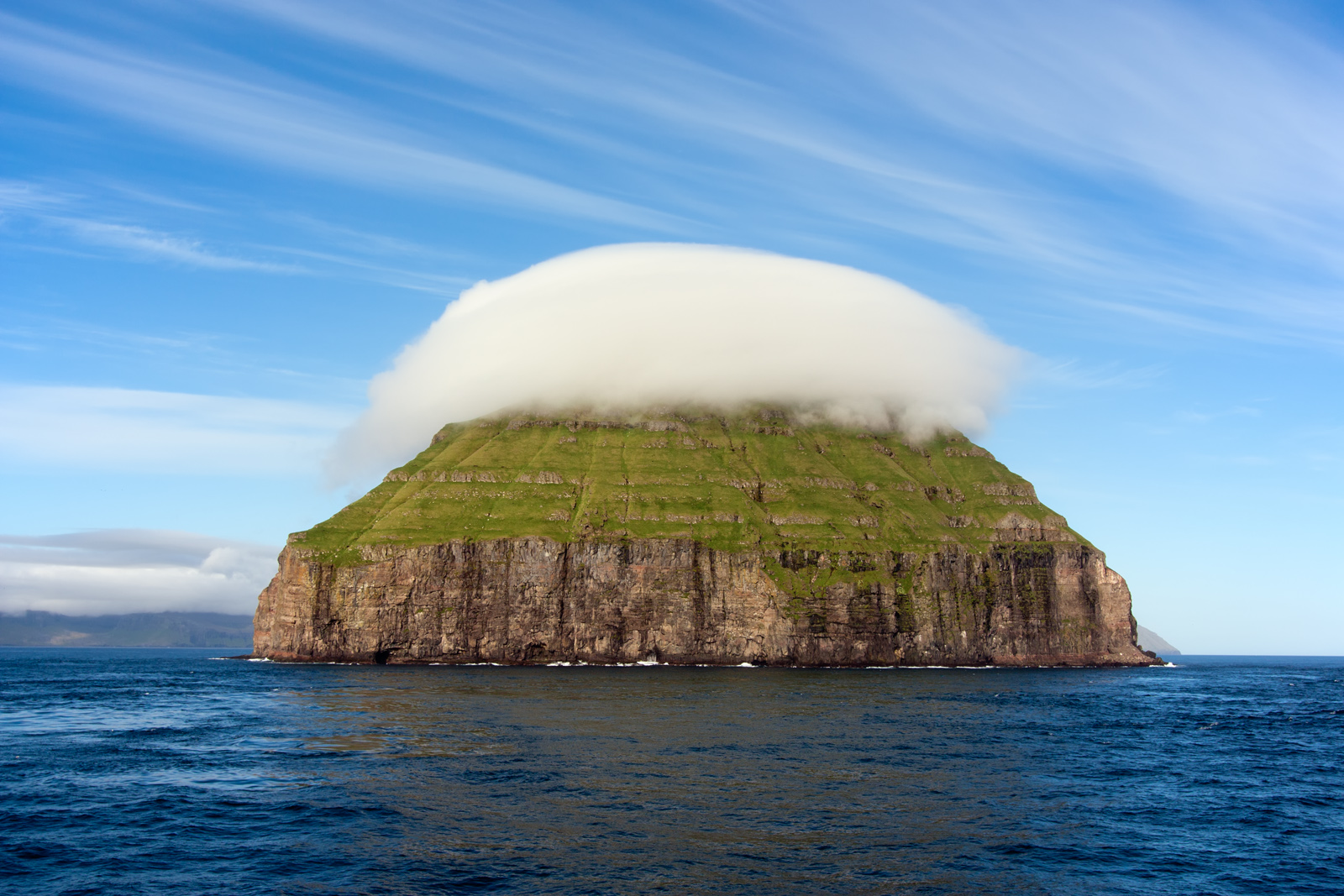
Destination: Lítla Dímun This cloud covered muffin top is in the Faroe Islands, Kingdom of Denmark. Population: humans (0), European Storm Petrels (5000 pairs) and Atlantic Puffins (10,000 pairs). There are also herds of sheep that are rounded up each fall and lowered using nets to waiting skiffs below.
Written in the Starlight: Catherine Laplace-Builhe posts awe-inspiring information on astronomy and space. She also makes music videos from NASA/ESO footage and animations. Here is the beautiful voice and guitar of Mark Knopfler set to the music of the stars. Enjoy your Friday!
“Now the sun’s gone to hell
And the moon’s riding high
Let me bid you farewell
Every man has to die
But it’s written in the starlight
And every line on your palm
We’re fools to make war
On our brothers in arms”
Originally shared by Catherine Laplace-Builhe
♥♥
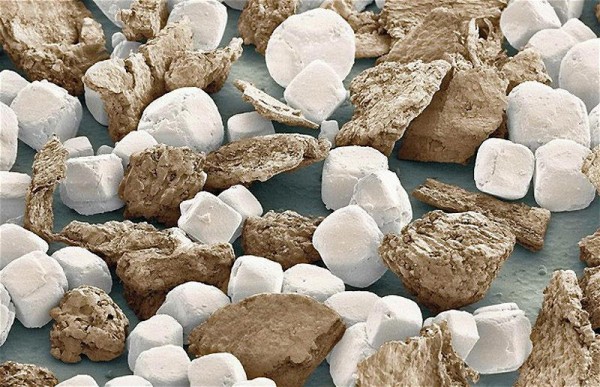
Under the Electron Microscope. WOW! Can you guess what these everyday objects are?
More: http://egotvonline.com/2012/03/13/25-everyday-objects-under-an-electron-microscope/






 madame scientist's not-so-mad musings