

Recent Comments
Shakespeare channeled by Gilmour. Simply Beautiful . Thank you Feisal Kamil ! Sonnet 18 is arguably the best known and most beloved of Shakespeare’s 154 sonnets. Here it is being recorded at Astoria, David Gilmour’s houseboat on the Thames.
Shall I compare thee to a summer’s day?
Thou art more lovely and more temperate;
Rough winds do shake the darling buds of May,
And summer’s lease hath all too short a date;
Sometime too hot the eye of heaven shines,
And often is his gold complexion dimm’d;
And every fair from fair sometime declines,
By chance or nature’s changing course untrimm’d;
But thy eternal summer shall not fade,
Nor lose possession of that fair thou ow’st;
Nor shall Death brag thou wander’st in his shade,
When in eternal lines to time thou grow’st:
So long as men can breathe or eyes can see,
So long lives this, and this gives life to thee.
–William Shakespeare
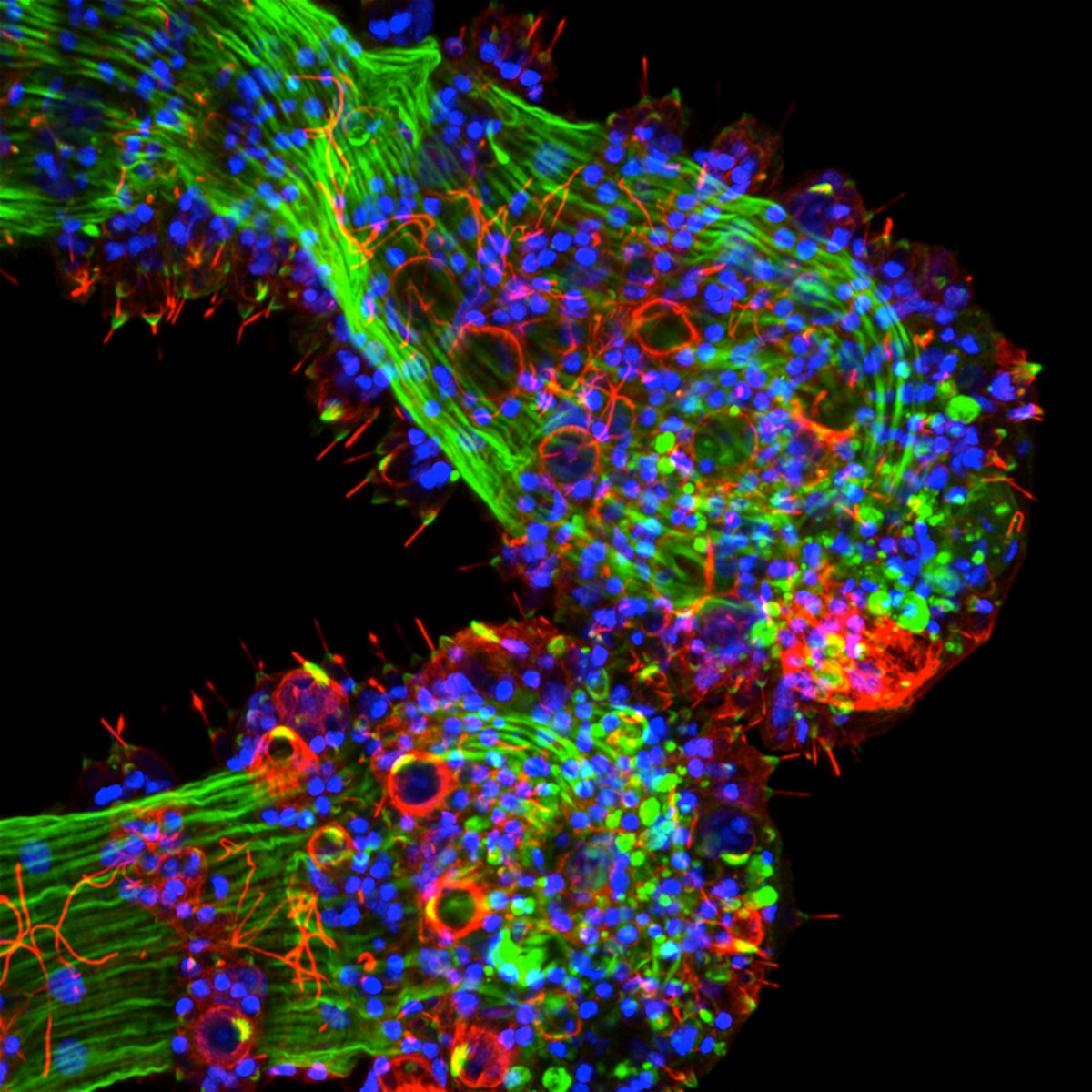
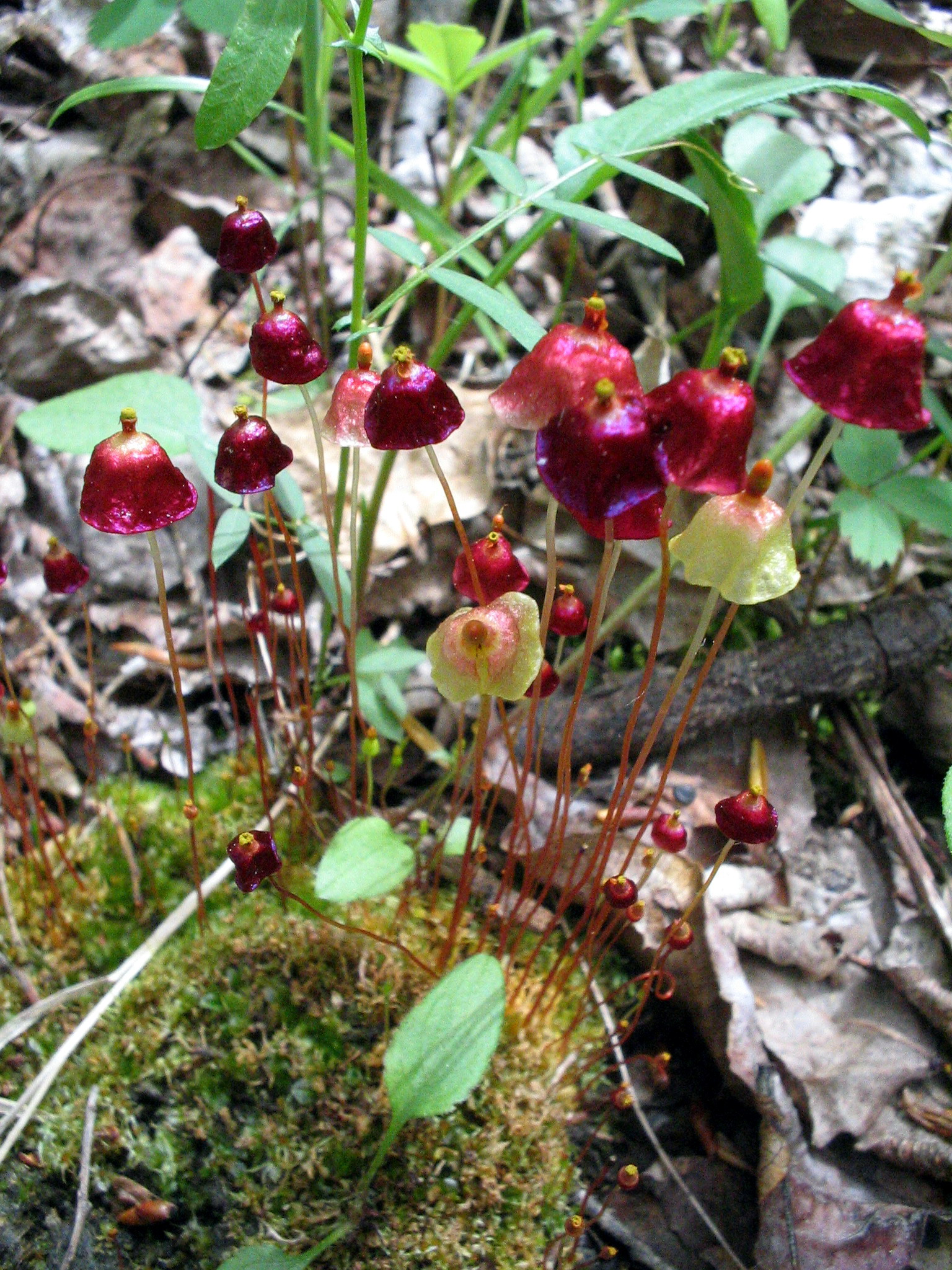
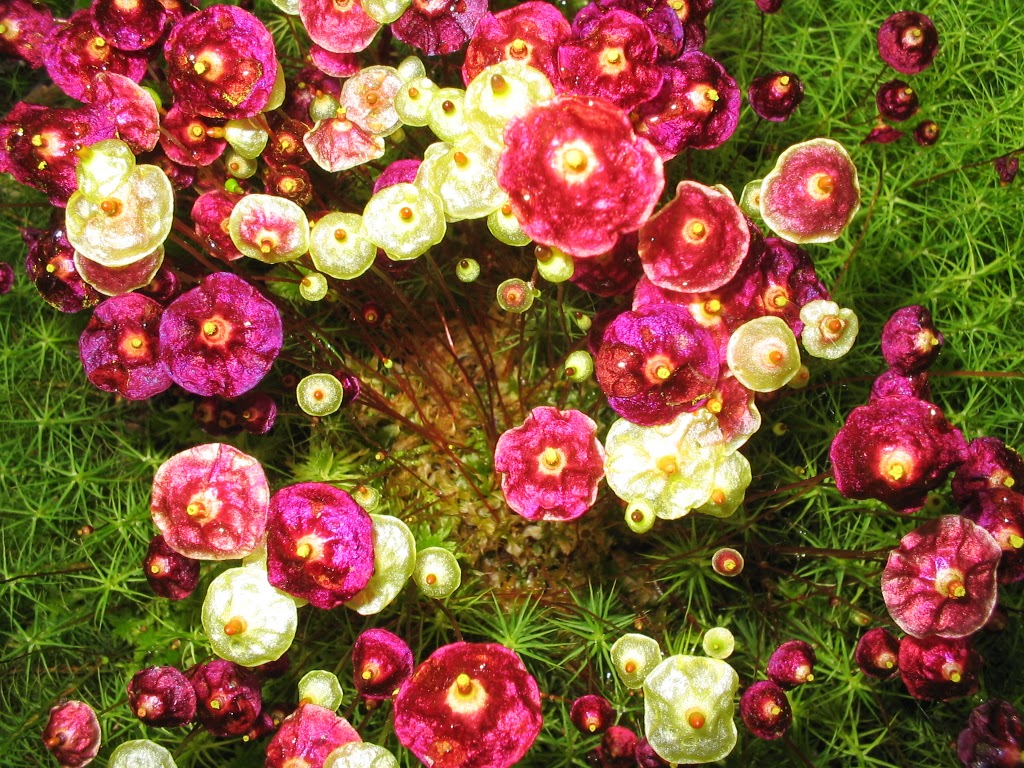
A Bouquet of Bryophytes: Thanks, Peter Lindelauf for sharing these delicate botanical beauties.
Originally shared by Peter Lindelauf
Botanical Wonders I Have Known
Fairy Parasols is the common name for Splachnum rubrum. Those aren’t flowers in the photos (a bouquet for Rajini Rao) but the fruiting bodies of a bryophyte. The photos may actually show two species–the pale, green Sphlachnum luteum and the pomegranate red Splachnum rubrum. However, the former ‘usually’ grows on moose droppings while the latter grows only on owl pellets. Imagine that. So, it would be odd to have both species in the same microsite.
I don’t miss forestry work but I do miss the plants of the boreal forest. I told the guy I subcontracted for, “I know we’re supposed to be doing industrial forestry but I’m just here for the flowers.” That got a laugh but it was true. I always stopped to smell the Rosa acicularis, as well.

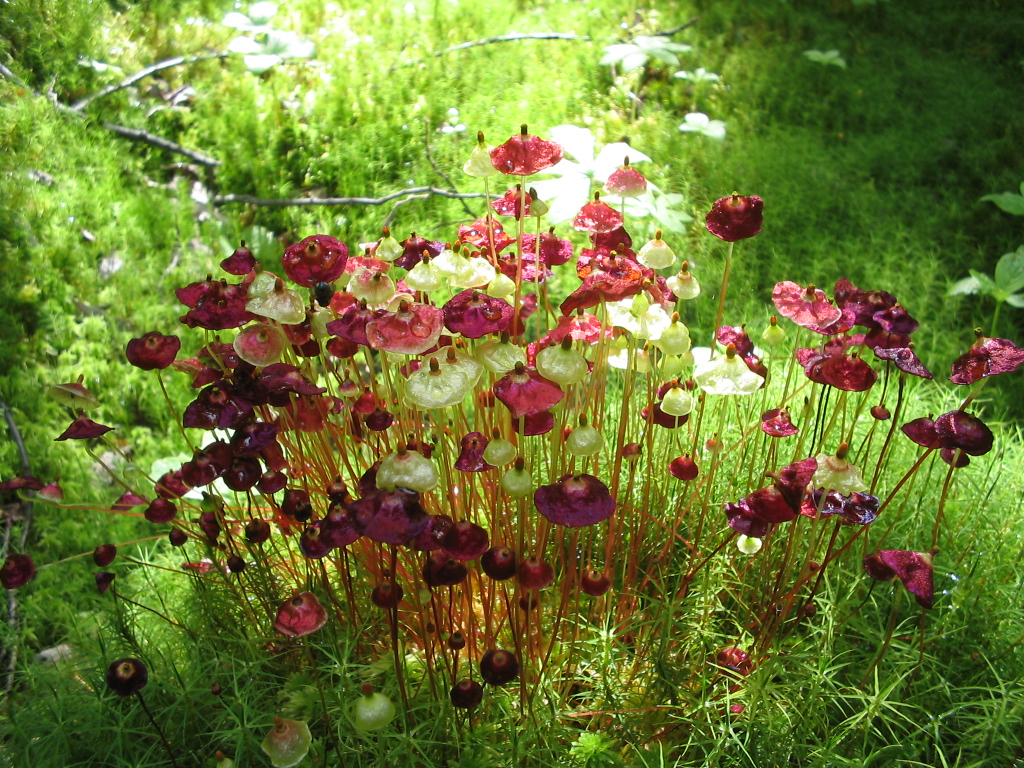

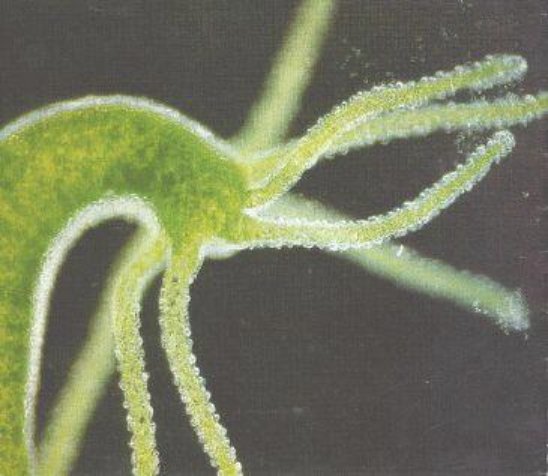
Hydra Vision: Implications for Evolution of the Eye. The freshwater polyp, Hydra (a relative of jellyfish) catches prey with a potent sting from its waving tentacles. The tips of these tentacles were known to be sensitive to touch and to chemicals, and now, to light. But the Hydra has no eye. Or does it?
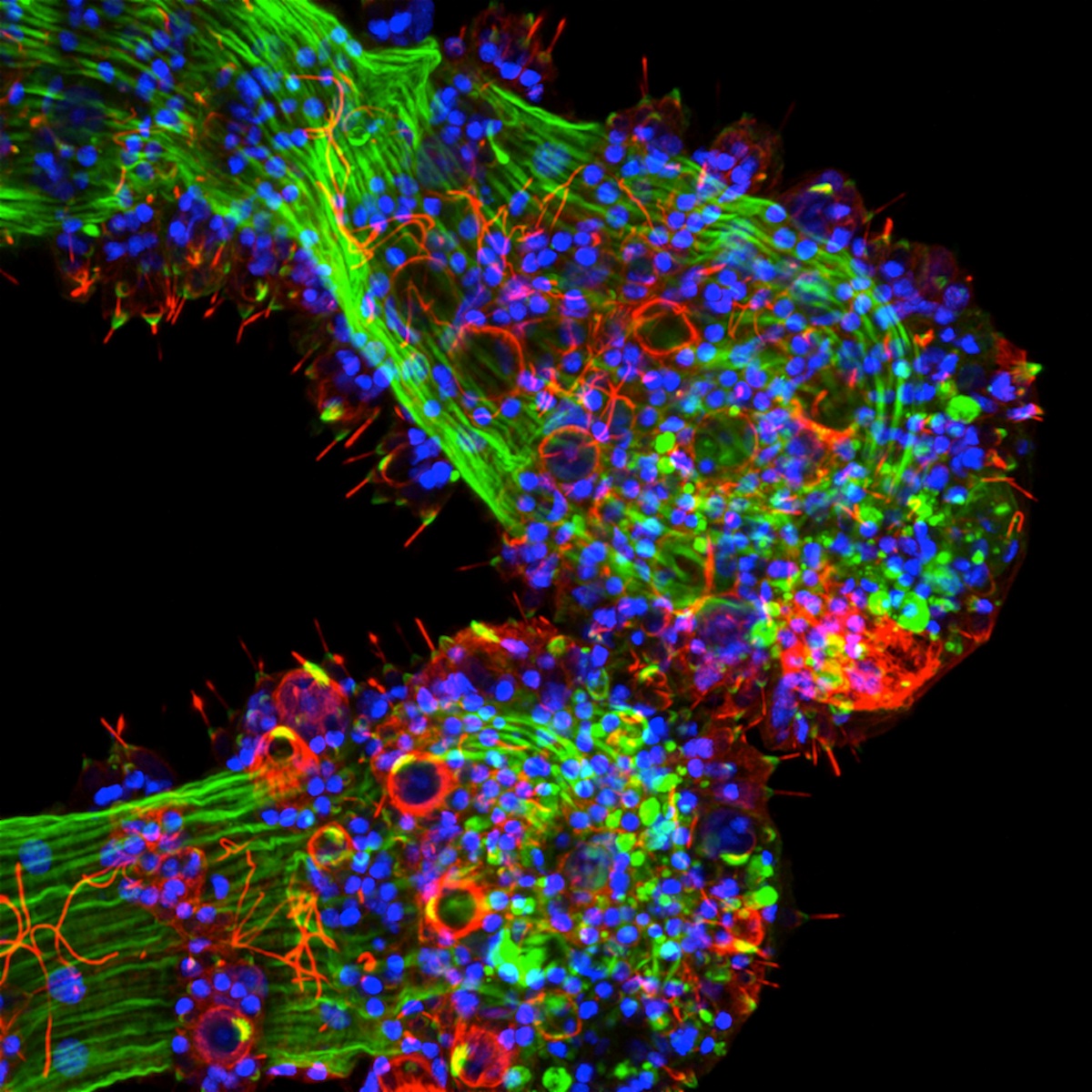
• Researchers found the basic components of our visual signaling mechanism in the tentacle cells (Image 2): the photosensitive protein opsin, the cyclic-nucleotide-gated (CNG) ion channel, and arrestin (a protein that shuts off opsin). They then showed that firing of the stinging cells (cnidocytes) was inhibited by bright light, and that a drug that blocked the CNG channel reversed this light inhibition (Image 3). Possible functions of light sensitivity could be to regulate feeding patterns or to sense shadows cast by approaching prey.
• This means that the biochemical pathway central to vision in our highly complex eye is found in this boneless, brainless animal. Studying primitive “vision” is like looking back in time to the early steps in evolution that predate the development of our eyes .
REF: http://www.biomedcentral.com/content/pdf/1741-7007-10-17.pdf


 madame scientist's not-so-mad musings