

Recent Comments

Earthshine: The Old Moon in the New Moon’s Arms 🙂
☆ Earthshine is the glow that lights up the dark part of the moon. It comes from sunlight reflected off the earth. Leonardo da Vinci described it 500 years ago, realizing that both the earth and the moon are lit by the sun. Earthshine is most intense in the Northern spring (starting now). Astronomers study Earth’s “albedo” (the technical term for reflectivity) to gauge changes in cloud cover and climate.
☆ This picture was taken on Nowruz, the March 20 equinox,from Esfahan, Iran, planet Earth, and is today’s Astronomy Picture of the Day.
For more APOD pictures: http://apod.nasa.gov/apod/ap120324.html
H/T to Bill Noble for sharing the link! Coincidentally, Laura Gibbs just posted the fable of Selene and Endymion. “Selene is the Greek word for “moon,” and Endymion was her lover.” To see a lovely image, and a beautiful Keats quote, go to:https://plus.google.com/u/0/111474406259561102151/posts/QCN4t7PgWQt

An amazing photograph to go along with a simple but universal message. Congrats on getting to “What’s Hot”! Jahangir Alam 🙂
Originally shared by Jahangir Alam
PASSION VS QUALITY
If you have passion you can adjust with quality, because sometimes passion can stretch our abilities to its limits.
If you have less facilities it allows you to think more productive ideas to fulfill your passion.
so
BE PASSIONATE WHAT EVER YOU DO
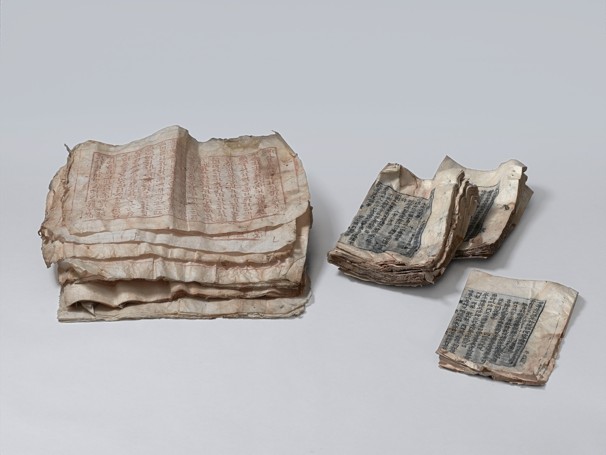
History, Art and Medicine Converge: The hospital admissions sheet simply read: “Name: Buddha; DOB: 1662.”
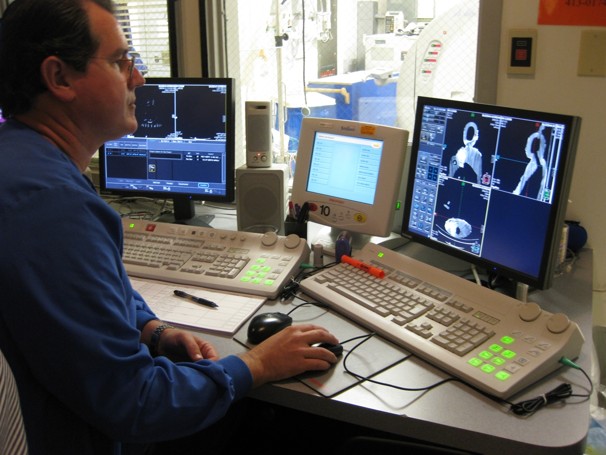
• When the 350 year old Korean Boddhisatva statue was X-Rayed, an unknown mass was discovered inside his head, and another in his stomach. After three more scans at two medical centers, doctors revealed the mystery mass: rare, sacred texts of Buddhism (the Lotus Sutra) written in Korean and a combination of Chinese and Nepalese script called Ranjana.
• The CAT scans, X-Rays and endoscopy also revealed that the statue was made of a single wooden piece, except for the ears and hands which were attached by hand made nails.
• On March 31, the bodhi will make his debut at the University of Florida’s Samuel P. Harn Museum of Art.
Source: http://tinyurl.com/8ym7xem


OK, everybody. This is your D’awww moment of the day!
Originally shared by NATURE
♡ MAKE WAY FOR DUCKLINGS! ♡ Adorable scene from Pennsylvania Avenue in Washington DC.
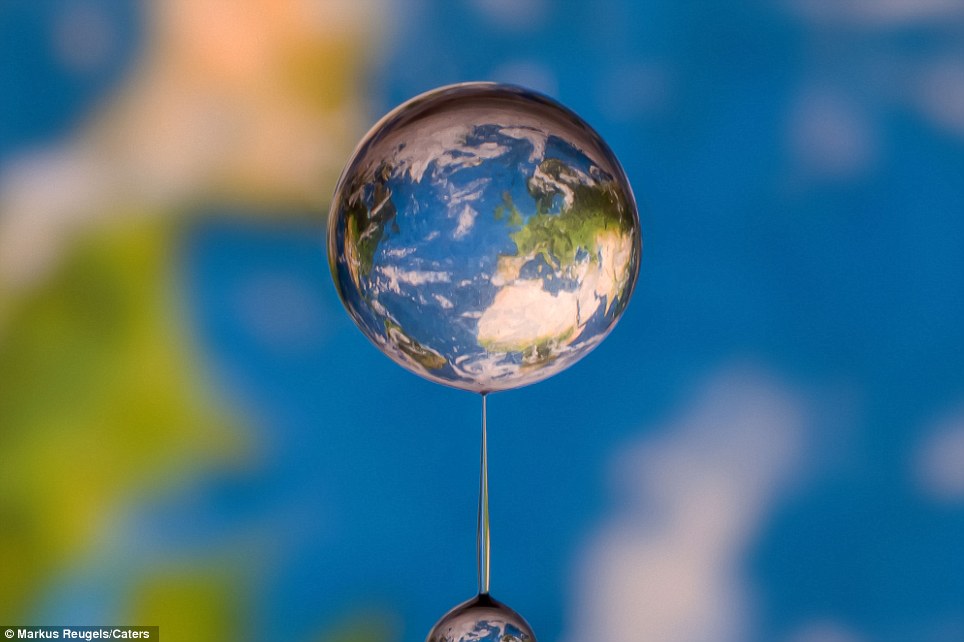
• WATER • AGUA • VODA • PANI • SHOUEI • How do you say it?
In recognition of World Water Day, here’s some of my favorite water trivia.
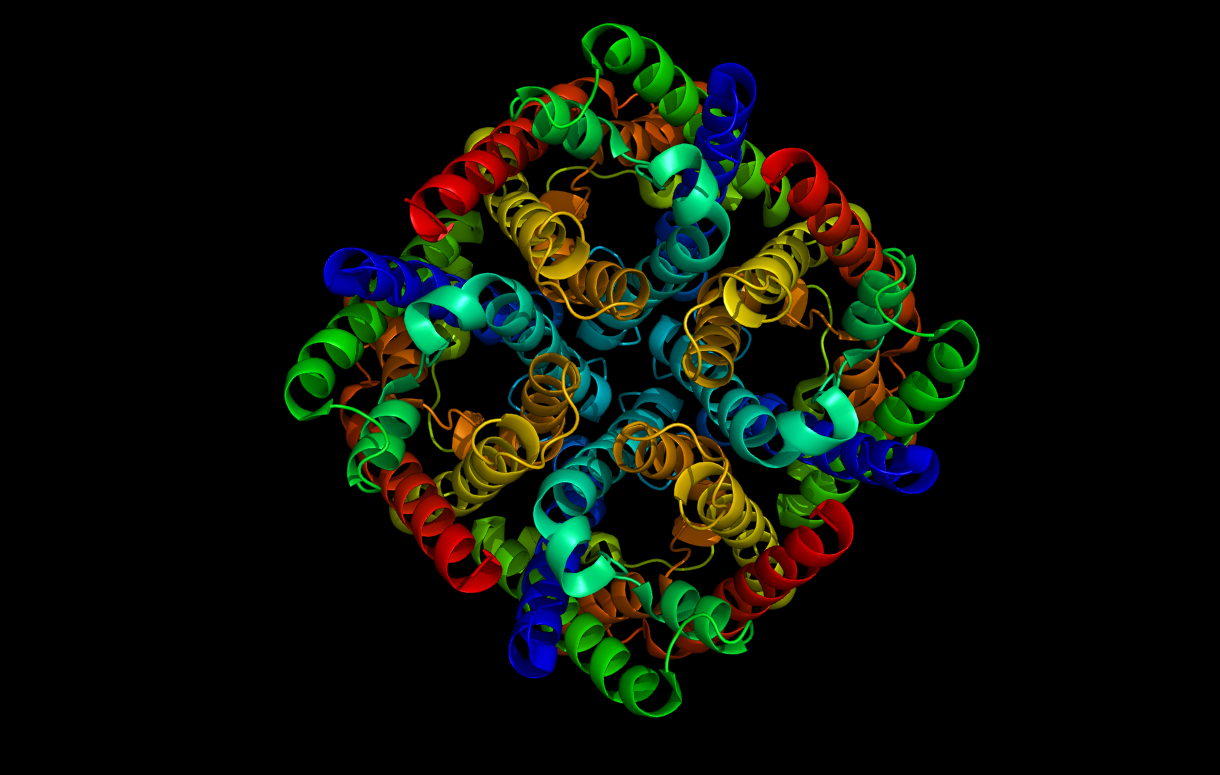
• Water Channels: If you were impressed by Google’s announcement of ultra-high-speed internet service to Kansas City at one giga-bit per second then consider this: the water channel Aquaporin moves 10,000,000,000 molecules of water each second! Aquaporin (Image 2) is a protein found in cell membranes of all plants and animals, wherever water needs to be moved.
• Water Dipoles: Although a molecule of water is neutral, it is a strong dipole with a negative (oxygen) and positive (two hydrogens) end (Image 3). This accounts for the mutual attraction between water molecules (hydrogen bonding) and explains many of its wonderful properties such as surface tension, structure of ice and high boiling point. Ion channels can be selective for a larger ion (such as K+) over a smaller one (Na+) because of the energetic costs of stripping the larger hydration shell off the smaller ion.
• The ocean is a large drop; a drop is a small ocean. Ralph Waldo Emerson (Image 4) Did you ever wonder at the thought that the same molecules of water we use today were around when the earth was formed?
• Water, water, everywhere, Nor any drop to drink. –Samuel Taylor Coleridge, The Rime of the Ancient Mariner. 97% of all water on earth is in the ocean but we can’t drink it. We need salt and we need water, so what’s the big deal? Because seawater is more concentrated than our cells, we actually lose water by osmosis and become dangerously dehydrated. Interestingly, drinking too much pure water is just as dangerous and athletes have been known to die of water toxicity. Osmosis drives balance of water across our cells (Image 1).
What are some of your favorite or weird water facts? 🙂
Many Thanks to Feisal Kamil who suggested a post relating to World Water Day!




 madame scientist's not-so-mad musings