Spooky Science!
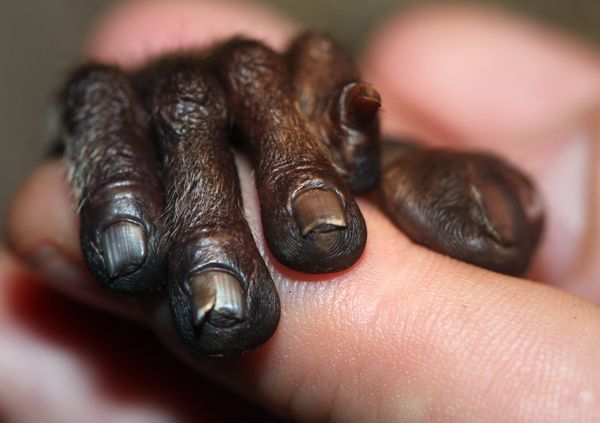
Can you guess the identity of each of these images? Without resorting to reverse Google image search! Winner with most correct answers gets a red blood corpuscle cupcake 🙂
#Halloween #scienceeveryday

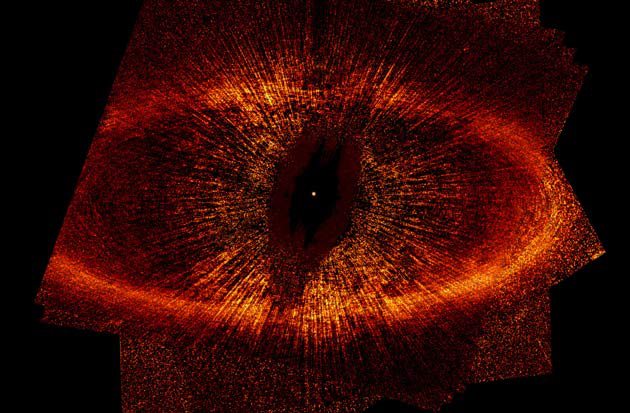
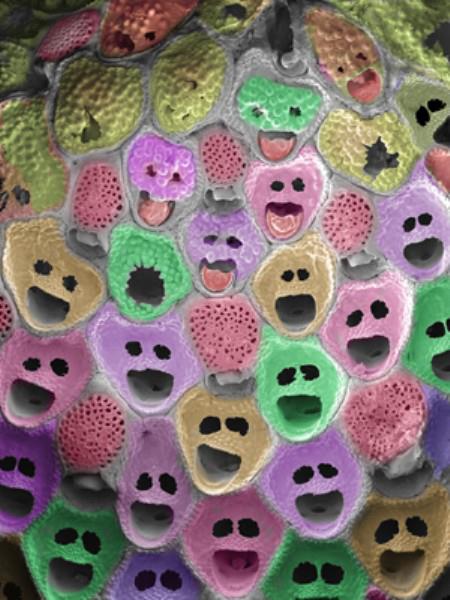

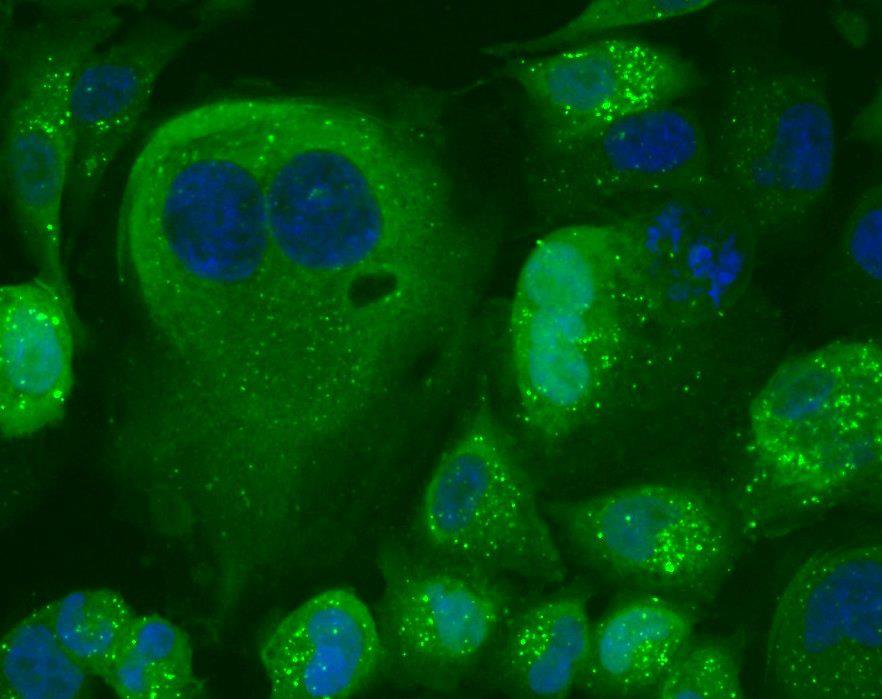
Spooky Science!
Can you guess the identity of each of these images? Without resorting to reverse Google image search! Winner with most correct answers gets a red blood corpuscle cupcake 🙂
#Halloween #scienceeveryday
Ménage à trois
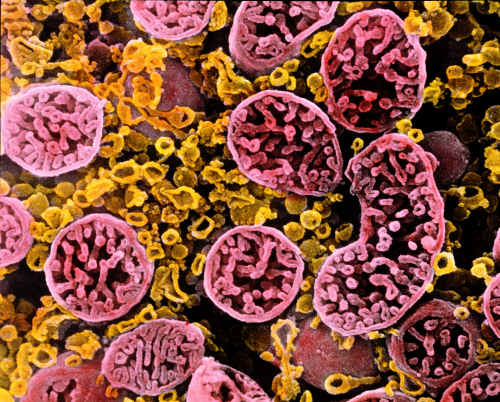
A test tube baby in the near future could have three parents: two moms and a dad. In addition to nuclear material from one mother and one father, there is now an option to have mitochondrial DNA from another mother.
• Mitochondria, the powerhouses of cells, carry their own DNA and are only passed to our offspring via the maternal egg (that’s because sperm are too tiny to contain much more than DNA in their little heads!). But mitochondria often carry devastating genetic defects that can be fatal, as high as 1 in 4000. They are also implicated in hereditary forms of multiple sclerosis and Parkinsons Disease. Now, in vitro technology allows us to escape from this mitochondrial burden.
• Nuclei plucked from donor eggs were injected into healthy eggs that had their own nuclei removed. Next, the chimeric egg was fertilized by sperm to grow into an embryo. Earlier experiments in Rhesus monkeys were recently repeated with human eggs, although the human embryos were not allowed to complete development past the 100 cell stage. If the method is approved by the FDA, they could go on to make babies with healthy mitochondria from “at risk” mothers.
Read more: http://www.nature.com/news/dna-swap-technology-almost-ready-for-fertility-clinic-1.11651
Image: Coloured scanning electron micrograph (SEM) of sectioned mitochondria from ovarian cells, from Science Photo Library. Mitochondria are in pink, filled with tubular fingers called cristae. Surrounding them in yellow, is the network of ER membranes. Details here: http://www.sciencephoto.com/media/214963/view
#scienceeveryday
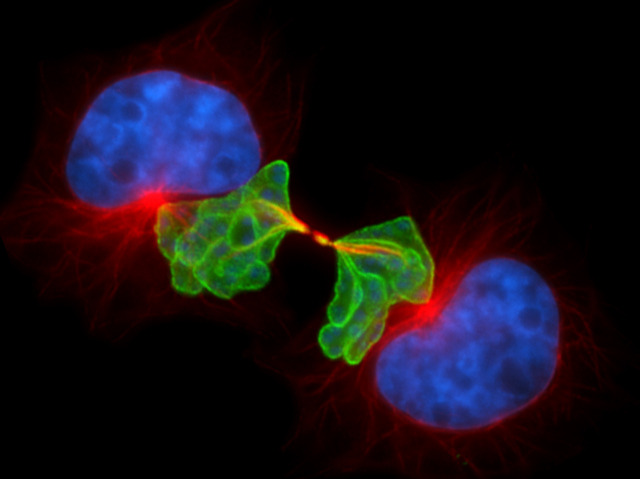
The Unwanted Guest: Parasites are clever about overstaying their welcome, co-evolving with their unwilling hosts to survive and propagate. Viruses, for example, insert their DNA into the host chromosome, ensuring that they are passed on to the daughter cells.
This clever protozoan, Theileria (in green), aligns itself with the mitotic spindle (shown in red) as if it were a chromosome. When the spindle of the dividing host cell pulls apart to form two nuclei (in blue), the parasite goes along for the ride. Theileria infects cattle via tick bites and resides in white blood cells. Other disease causing protozoan parasites like Plasmodium and Toxoplasma also co-opt microtubules to help in cell invasion. This new finding means that drugs that target microtubules could block parasite spread.
Free Read: http://goo.gl/NM4uv
Image from Dirk Dobbelaere, University of Bern (Switzerland) via BPoD.
#sciencesunday
Mountains of Malnad
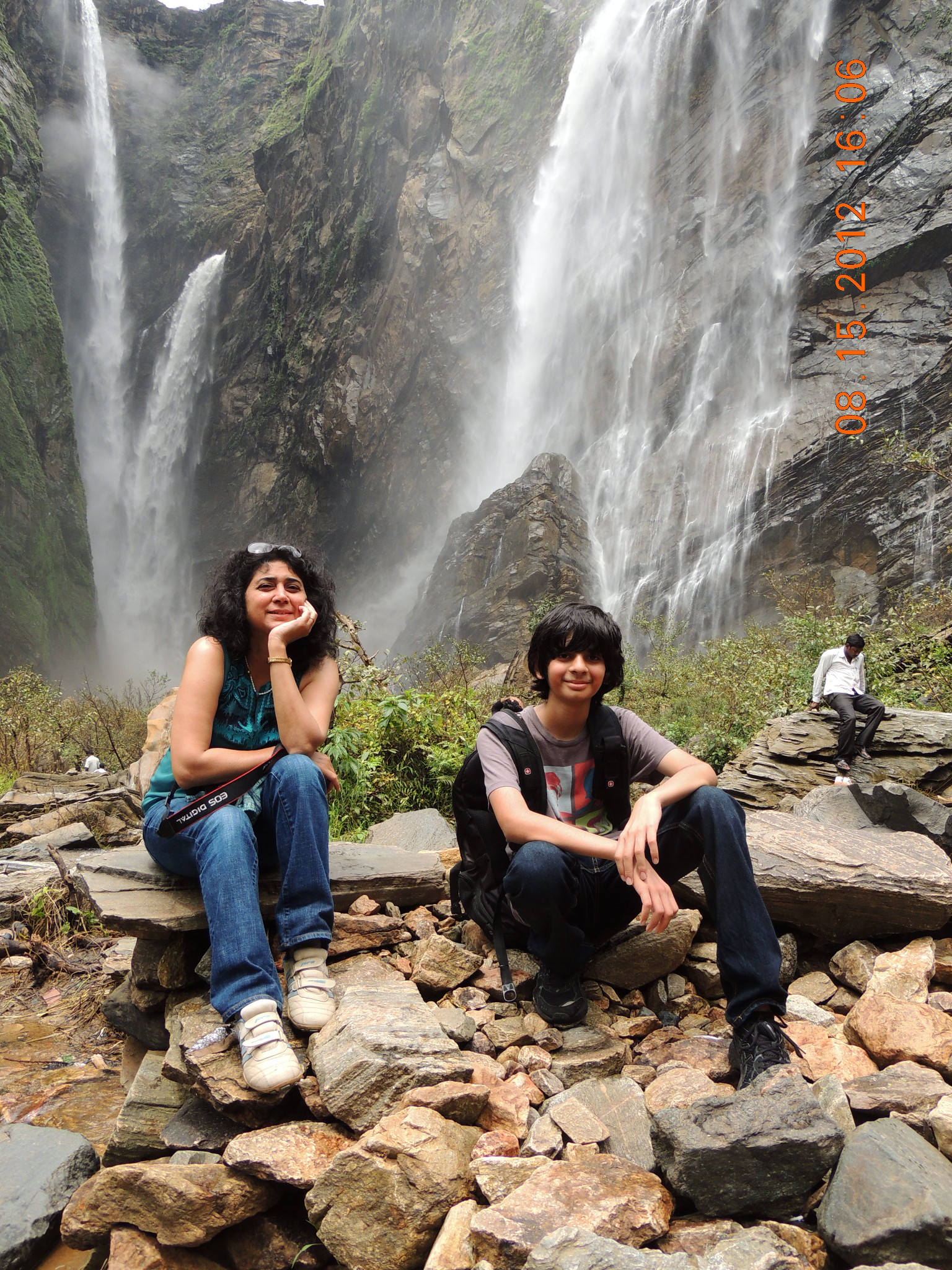
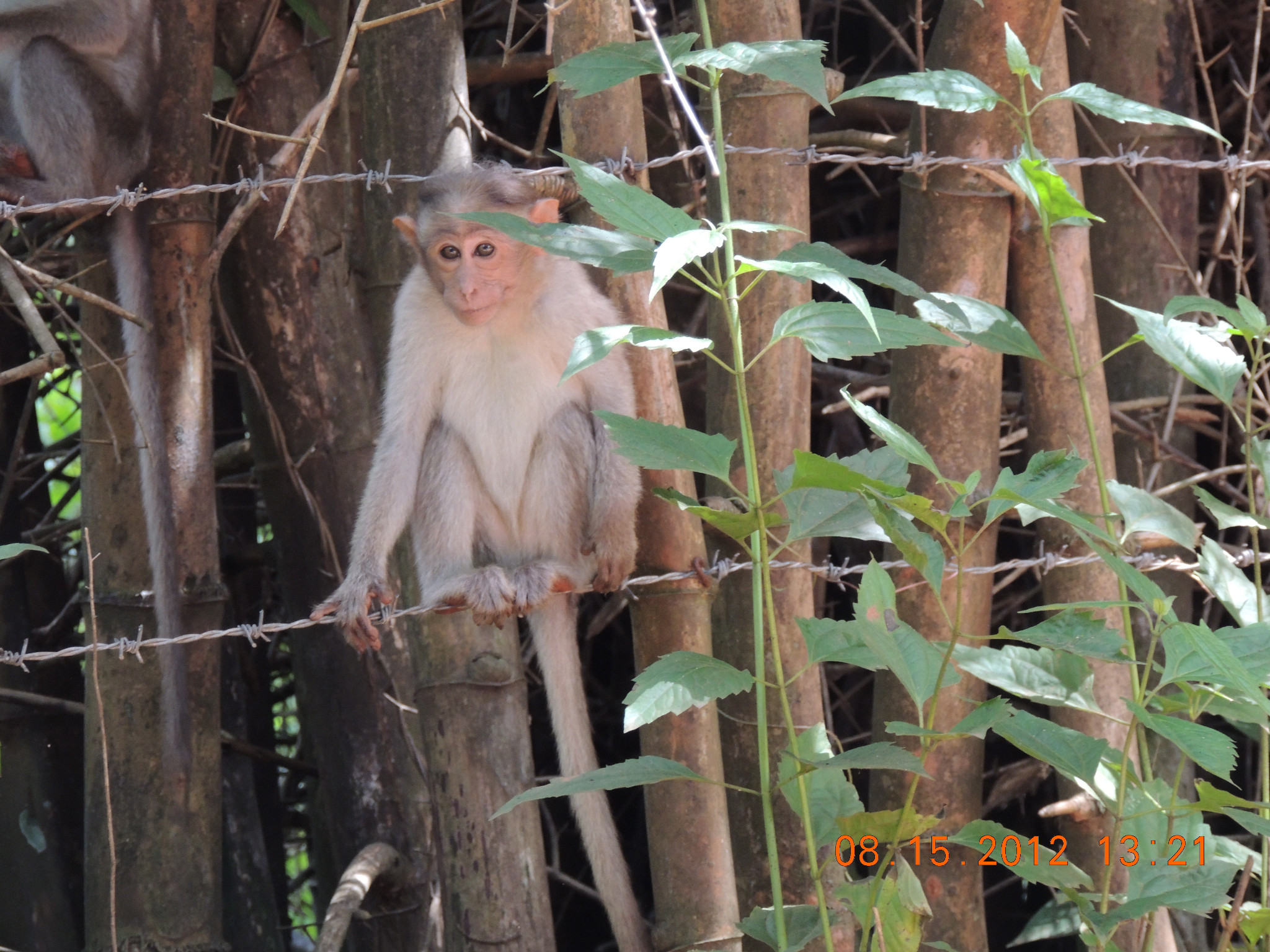
We set off to the monsoon drenched mountains of the Malnad district of Karnataka, in southern India. Our hired car careened wildly past hairpin bends, narrowly missing the nonchalant cows strolling along at a leisurely pace, while we were chased by enthusiastic village dogs. Out of place and out of time, every village hut boasted a satellite dish on the roof. Wizened monkeys peered curiously through the leaves, and patient elephants allowed their mahouts to bathe them by the river. Masses of white cranes nested in sanctuaries tucked into the Western Ghat mountains of the Deccan plateau.
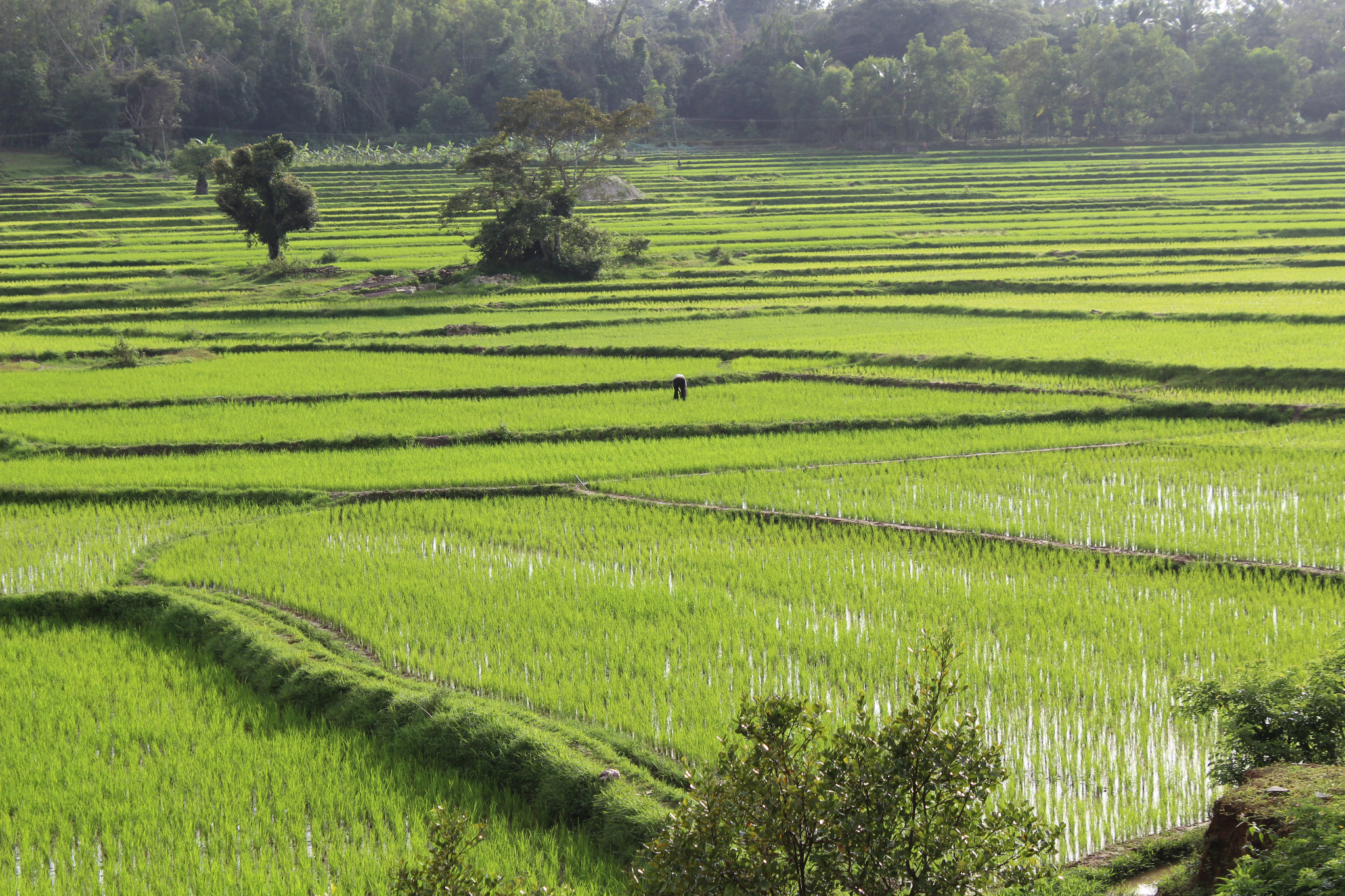
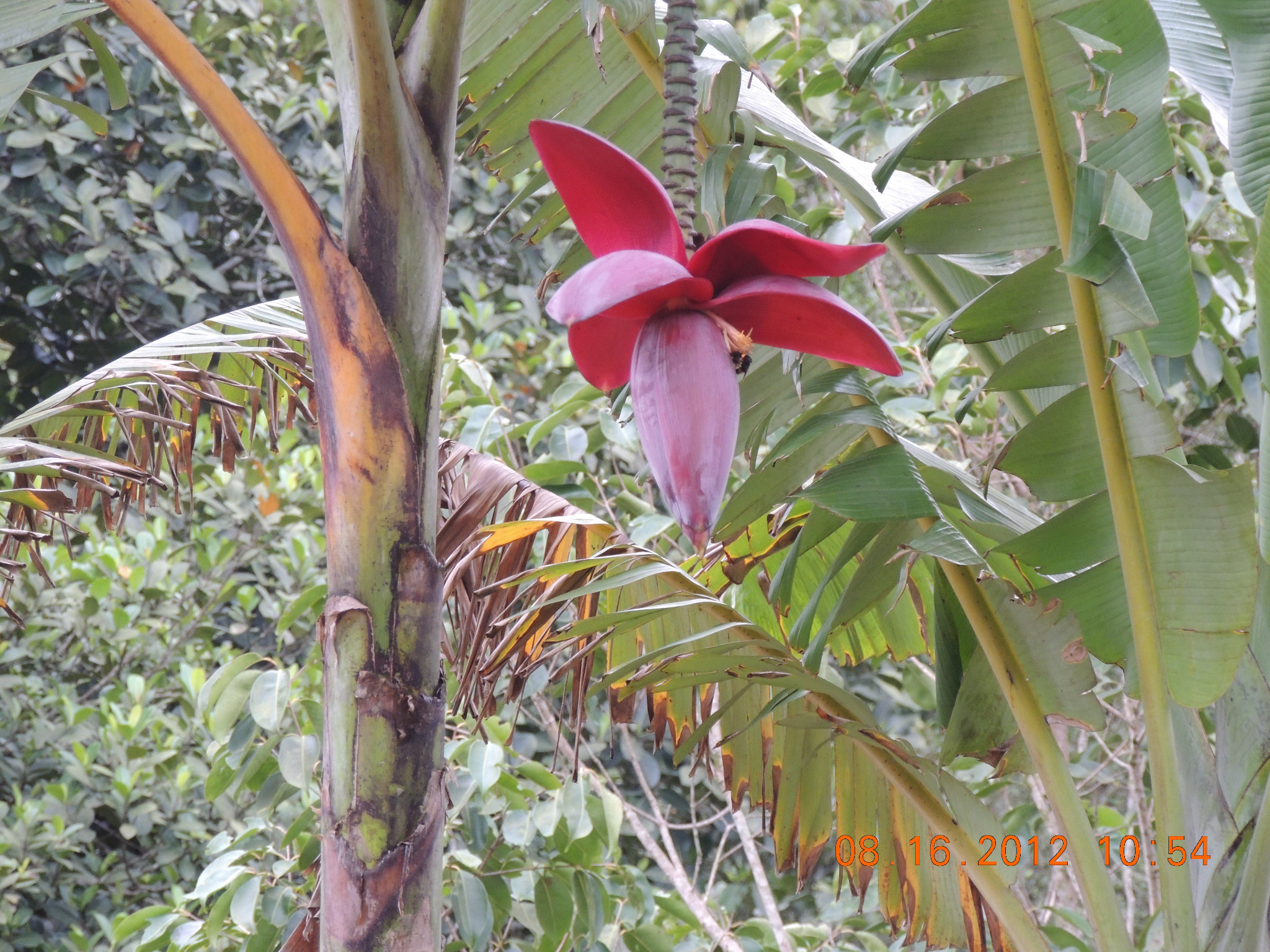
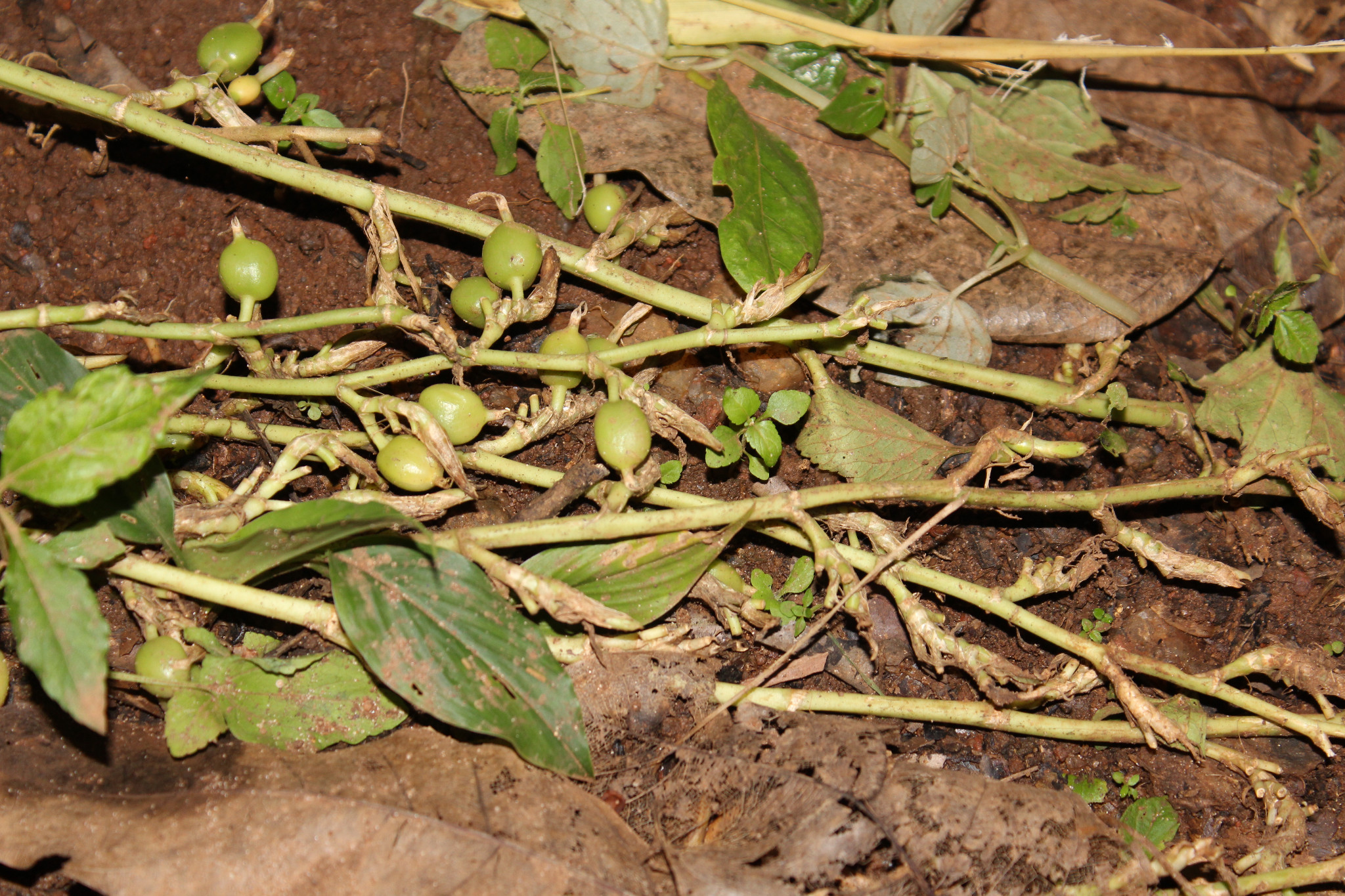
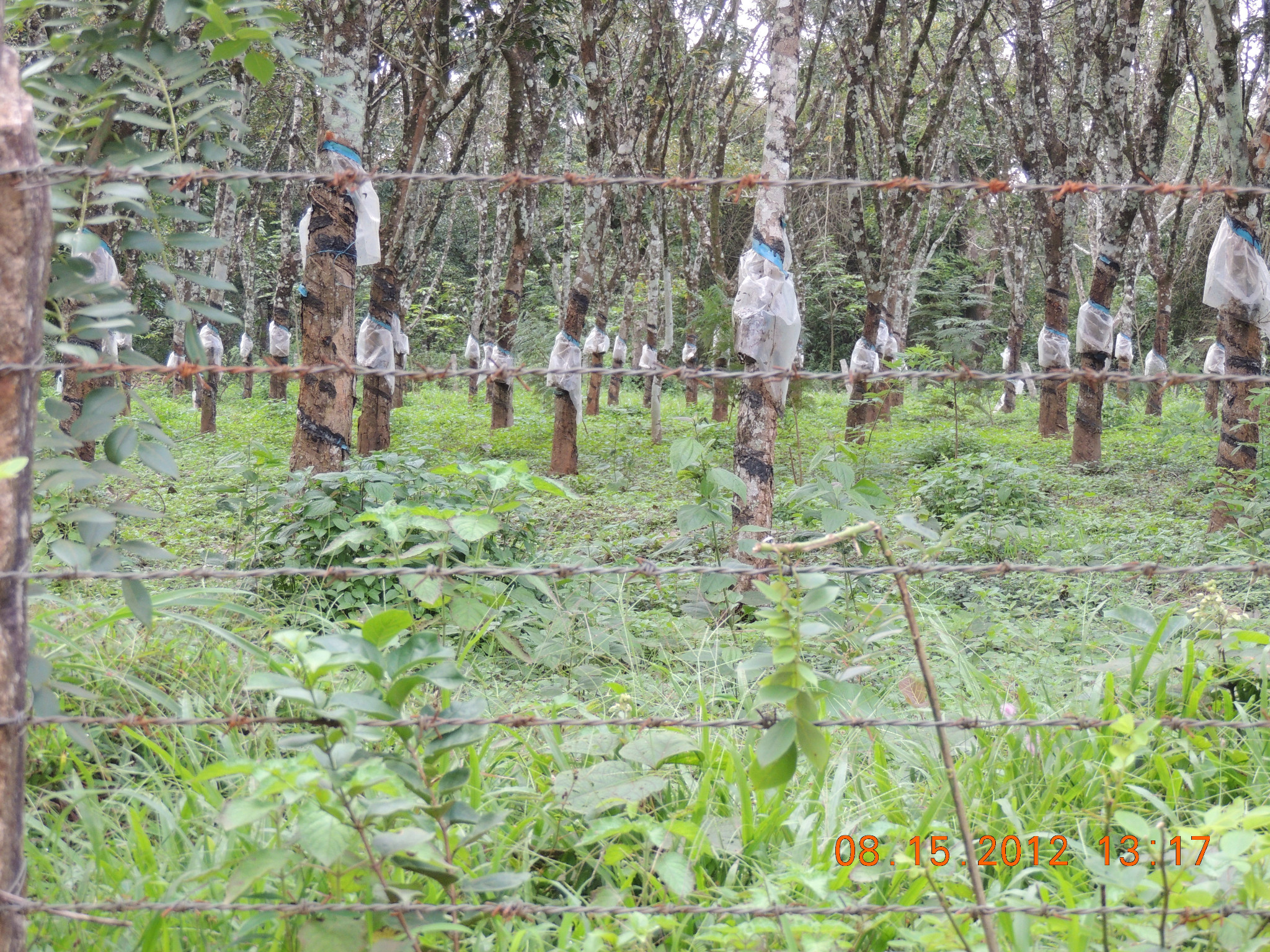
We arrived at the Bananki plantation where our spirits were restored with old world charm. Our hostess took us on a tour of the rubber plantations: sap dripping diagonally into plastic bags. Cash crops of areca nut palms, cardamom and ginger plants, peppercorn vines, and banana trees. The emerald green of terraced paddy fields glinted jewel-bright in the sunlight. The next day, we pushed onwards to the mist covered Jog Falls, where we descended ~1400 steps to the bottom, into oppressive heat and humidity. We paid the price for our foolishness with the climb back up 🙂









It will have blood, they say; blood will have blood – Shakespeare.
• Blood is thicker than water, but it sure does die young. Did you know that the average red blood cell lives not more than 120 days, and 2 million of them die every second?
• Old age and the passage of time teach all things – Sophocles
The oldest intact human red blood cells were discovered in May 2012 in Ötzi the Iceman, a natural mummy of a man who died around 3255 BCE.
• My love is like a red, red rose – Robert Burns
Blood is red because of the spectral properties of iron, four of which are attached to each of ~270 million molecules of hemoglobin in each red blood cell. Each iron in heme ferries one molecule of oxygen.
• She got her looks from her father. He’s a plastic surgeon – Groucho Marx
Plastinated blood vessels of the human face are seen at the Human Body exhibition in Ostend, Belgium. Plastination is a technique that replaces water and fat with plastic, to preserve detailed anatomy. Photograph: Francois Lenoir/Reuters
#scienceeveryday

Today is Ada Lovelace Day
• Who? Augusta Ada King (nee Byron), Countess of Lovelace (1815-1852), was an English mathematician and the brains behind Charles Babbage’s analytical engine. This Enchantress of Numbers is considered (by some) as the first computer programmer.
• Why? The goal is to raise the profile of women in science, technology, engineering and maths by encouraging people around the world to talk about the women whose work they admire. Psychologist Penelope Lockwood says, “Outstanding women can function as inspirational examples of success. They demonstrate that it is possible to overcome traditional gender barriers, indicating to other women that high levels of success are indeed attainable.”
How? Just follow these simple steps to become a part of the worldwide celebration of women in STEM: Write about a woman in science, technology, engineering or maths whose achievements you admire. Publish your story online at findingada.com and here on G+, tagged #adalovelaceday .
#stemwomen #scienceeveryday #adalovelaceday

Simply Soup: For a Chilly Fall Evening
The lady at the checkout counter of the local grocer stared at the stout-bulbed feathery fronds with a mixture of perplexity and annoyance.
Guiltily, I explained, It’s fennel. What do you do with it? she countered.
I looked behind me at the lady next in line, who was tapping her feet somewhat impatiently. No moral support there.
This was not the only produce in my basket to come without a barcode, I’m afraid. No cashier likes to reference that laminated cheat sheet (in small print), more than once. The only way to render oneself more of a persona non grata in a supermarket queue is to have an item which requires the help light to flash. And the words that everyone hates to hear, Price check on Aisle 9!
Fortunately, it did not come to that. Amidst apologetic smiles, I escaped with my fragrant bounty, planning a dinner of crusty bread with hearty soup, gently warmed through to dispel the encroaching chill of a fall evening. A soup full of the goodness of potatoes, cabbage and carrots taken to a higher plane with the elegance of fennel. The recipe was adapted from an online friend’s blog, Cooking Chat.
One onion
One carrot
One fennel bulb
A quarter or half head cabbage, depending on the size (~ 4 cups)
Three smallish potatoes
One clove of garlic
A tablespoon of olive oil
One Bay Leaf
Salt and black pepper, to taste
Vegetable (or other mild) broth and/or water to cover the veggies by a couple of inches.
Somewhere in this process, allow spouse to add secret ingredient ( a few drops of Angostura Bitters: I’m not sure why, but Bitters make Everything Better).
Enjoy with sliced and toasted bread, drizzled with olive oil and rubbed over with a slice of garlic!

Creamy Fennel Soup
Why Another Science Circle?
This updated Circle will fill your stream with not just the answers, but the big questions of science .
• “The scientist is not a person who gives the right answers, he’s one who asks the right questions.” ― Claude Lévi-Strauss
• “Student: Dr. Einstein, Aren’t these the same questions as last year’s [physics] final exam?
Dr. Einstein: Yes; But this year the answers are different.”
― Albert Einstein
• “We can judge our progress by the courage of our questions..”
― Carl Sagan
#sciencesunday
Originally shared by Science on Google+
Natural Sciences
This circle will give you exposure to Astronomy, Biology, Chemistry, Ecology, Geography, Geology, and Neuroscience.
If you have a science related degree, you are a science journalist, you are a K-12 science teacher, or you curate a science page, then add your profile/page to the database (http://goo.gl/yEg7M). Please note that you also have to circle Science on Google+: A Public Database if you would like to be considered for shared circles.
View underlying database: http://goo.gl/Yz8KR
View most recent shared circles: http://goo.gl/nO7rB
#sciencesunday #science #publiccircles #sharedcircles

Chromosome Socks
• A karyotype is a complete set of chromosomes in an individual, seen under a light microscope. Chromosomes are shown in pairs, ordered by size. There are 23 pairs of chromosomes in humans. They have a characteristic banding pattern, revealed by the Giemsa stain that binds to heterochromatin, or tightly packed regions of DNA.
• Chromosomal abnormalities, especially extra or missing copies, are revealed by karyotyping. Examples are Down syndrome (trisomy of chromosome 21), Klinefelter syndrome (XXY), and Turner syndrome (missing X). Large chunks of missing DNA are obvious, as in Cri du chat (cry of the cat), from a truncated short arm on chromosome 5. The name comes from the babies’ distinctive cry, caused by abnormal formation of the larynx. Breaks can occur with certain cancers (e.g., Philadelphia chromosome).
Sock arrangement by Gina Glover; ginaglover.com
Real karyotype: http://goo.gl/1FrRH
#sciencesunday


 madame scientist's not-so-mad musings