
Battle of the Brains: Size Matters

Battle of the Brains: Size Matters

Sexual dimorphism, or gender differences in appearance and behavior, arose because selection pressure acts differently on males and females. It is surprising, then, that brain sizes typically do not differ between the sexes in the animal world. Yet, gender differences between selection pressures are common and the brain is one of the most adaptable and plastic organs. Recently, scientists discovered a dramatic difference in brain size among stickleback fish: the male brain is nearly 25% larger than the female, for the same body size and weight amongst fish living in two habitats (mud and lava) of Lake Mývatn in Iceland (see image).

Bigger is Better: Greater neural mass means greater information processing and superior cognitive power. In animals, larger brains have been shown to coincide with bower complexity in male bowerbirds and with single parenting by females in cichlids. Male sticklebacks build elaborate nests, perform elaborate courtship displays and care for their offspring alone. So guys, pay attention to the nursery if you want to be smarter!

Delusions of Gender: The costly gain in brain size usually comes with compensation you know where. Male bats trade testis mass against brain mass. Female sticklebacks invest heavily in egg production, which take up 40% of their body weight.  What about humans? Studies showing differences in male and female brains are highly controversial. http://goo.gl/6UVwI


Ref: Extreme Sexual Brain Size Dimorphism in Sticklebacks: A Consequence of the Cognitive Challenges of Sex and Parenting? PLoS One. 2012; doi:  10.1371/journal.pone.0030055

#scienceeveryday  

Posted in Rajini Rao | Tagged | 83 Comments

Trypophobia: Intense fear of holes, resulting in itching and uneasiness.

Trypophobia: Intense fear of holes, resulting in itching and uneasiness.

While admiring this lovely image of lotus seed pods, I stumbled across this strange phobia, also triggered by “crumpets, pumice, cavities in teeth, the Ampullae of Lorenzini in sharks, holes in concrete, bug tunnels in wood, enlarged pores of the skin, Aero Bars, holes in walls caused by bullets, bone marrow, wasps’ nest, honeycomb, bubbles in dough, ant holes, veins in meat, clusters of holes”. One cannot make this stuff up. It’s in Urban Dictionary 🙂

Did you know that 1 in 10 people suffers from a phobia? Do you have one?

• For more strange phobias, check out: http://georgielowery.hubpages.com/hub/Trypophobia

• Photo: “Alien Pods” by Hawaiian Sea on Flickr http://www.flickr.com/photos/area53/5250769454/

Lotus By Rabindranath Tagore http://allpoetry.com/poem/8516495-Lotus-by-Rabindranath_Tagore

Posted in Rajini Rao | 102 Comments

As the Worm Turns: For 200,000 years, we humans have hosted parasitic hookworms and whipworms in our intestines.

As the Worm Turns: For 200,000 years, we humans have hosted parasitic hookworms and whipworms in our intestines. Until recently, that is: when antibiotics and better sanitation effectively “dewormed” much of the developed world. Coinciding neatly, was a perplexing rise in autoimmune diseases of the gut, like inflammatory bowel disease (IBD) and Crohn’s disease. Scientist Joel Weinstock wondered if there was a connection?

Whip it!: He began by treating mice with IBD. Animals fed enteric worms recovered from the disease. To test this therapy in humans, he chose Trichuris suis, a whipworm that typically infects pigs but causes no illness if swallowed by pig farmers. A patient with Crohn’s disease volunteered to swallow 2,500 tiny eggs (in a sports drink!) and his disease symptoms improved. Now, clinical trials are underway with many more patients, and the egg harvesting method has been approved by the FDA and European Medicines Agency. Other immune related diseases are also being tested: multiple sclerosis, autism, ulcerative colitis, psoriasis, and type 1 diabetes.

Old Friends Hypothesis: The idea behind the treatment is that our immune system can only become fully effective if stimulated by exposure to microorganisms and parasites that have low levels of pathogenicity, and which have coexisted universally with human beings throughout our evolutionary history. Autoimmune disease is caused by excessively high TH1 response, which is kept in check by an opposing TH2 response set off by infections. Of course, vaccines and public hygiene have greatly reduced disease and improved the quality of life in the past 100 years. The idea is to reintroduce some organisms into people in a controlled way, to improve human health without causing infectious disease.

Read more: http://en.wikipedia.org/wiki/Helminthic_therapy

Image:  Trichuris whipworms, via http://www.stanford.edu/group/parasites/ParaSites2005/Trichuris/Untitled-12.htm

#sciencesunday  

Posted in Rajini Rao | Tagged | 57 Comments

Added photos to Indian Food Cookalong With Special Guest Cook Rajini Rao.

Added photos to Indian Food Cookalong With Special Guest Cook Rajini Rao.

Posted in Rajini Rao | Leave a comment

COOKALONG RECIPE POST #2

COOKALONG RECIPE POST #2

For Shinae Choi Robinson ‘s Indian Cookalong Event see here: http://goo.gl/Bo5uh

Originally shared by Rajini Rao

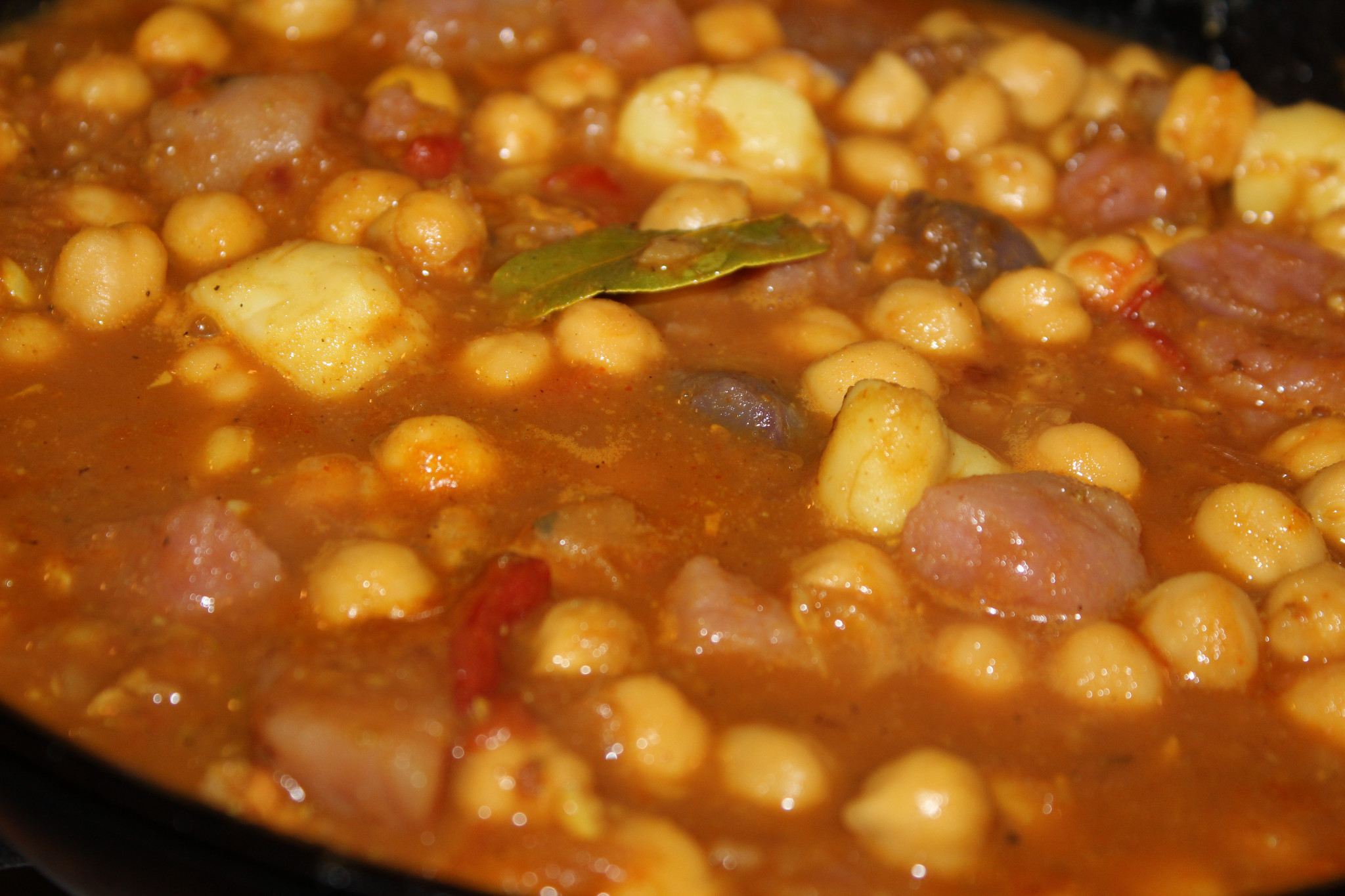
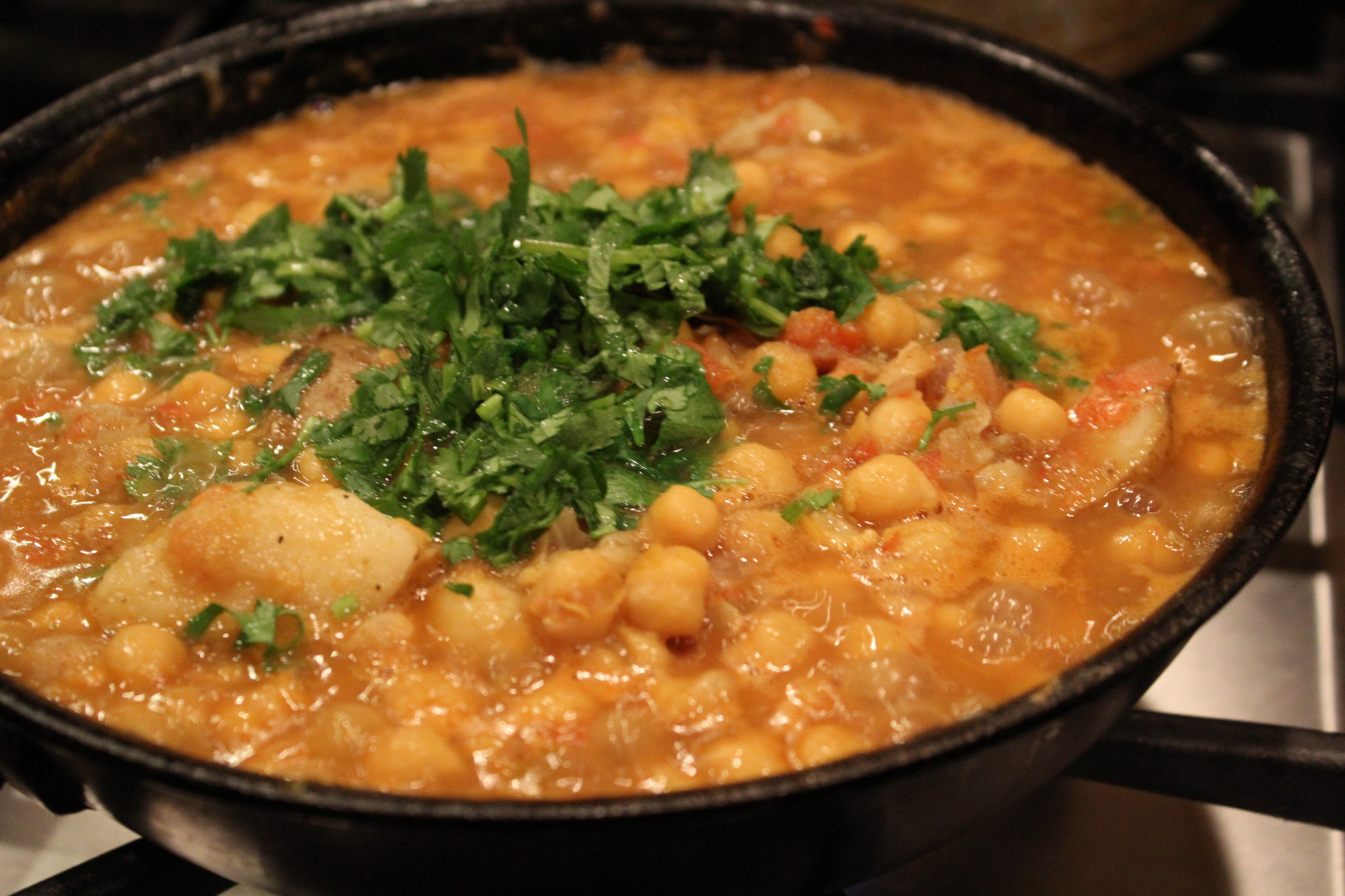
Channa Masala

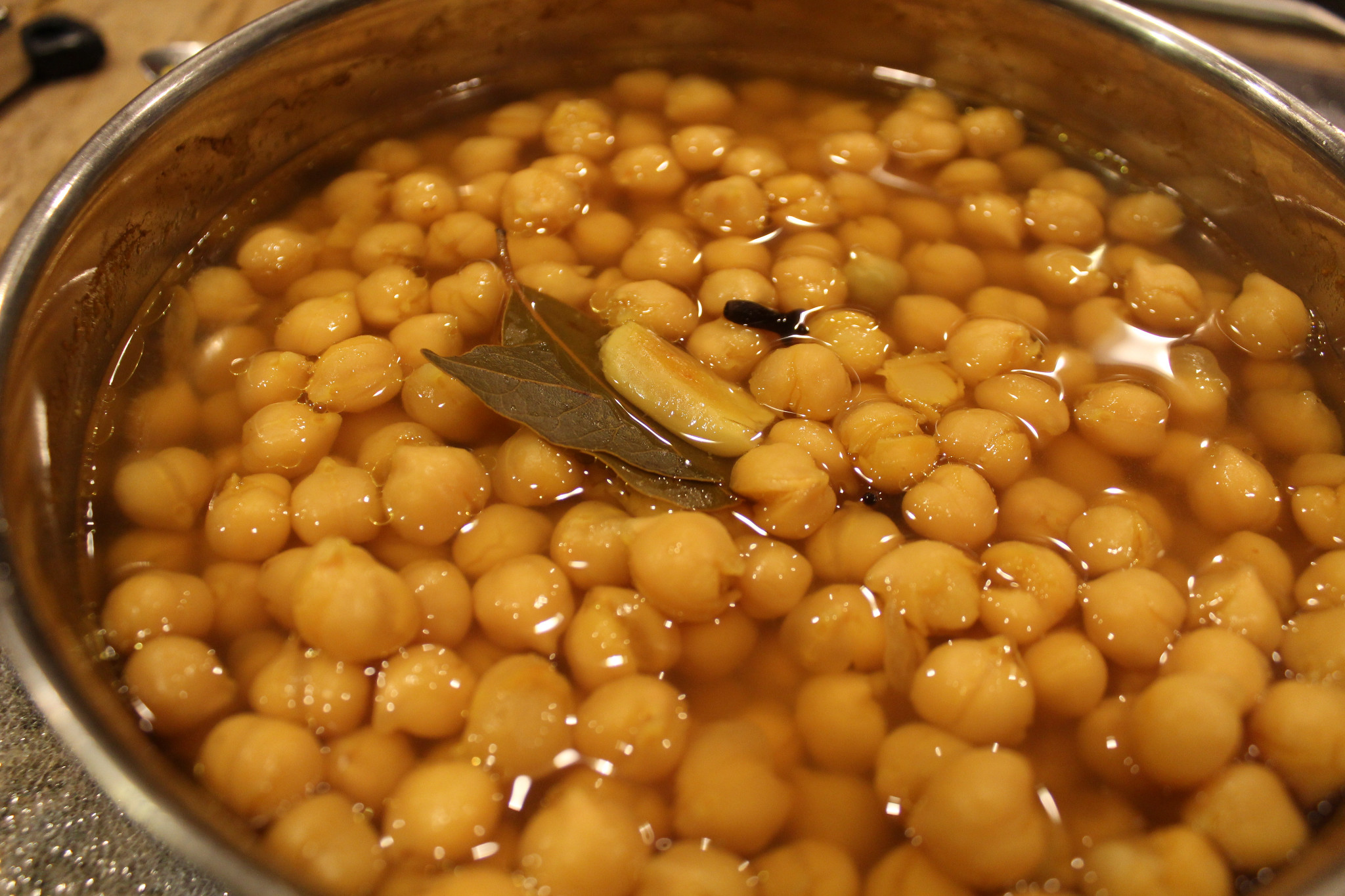
1. Chickpeas: If you are using dry chickpeas (garbanzo beans), soak overnight and cook with plenty of water until softened. I like to add some flavoring during cooking (a bay leaf, a dash of oil, salt to taste, a clove of garlic,3-4 whole peppercorns and cloves). If using canned, drain and set aside.

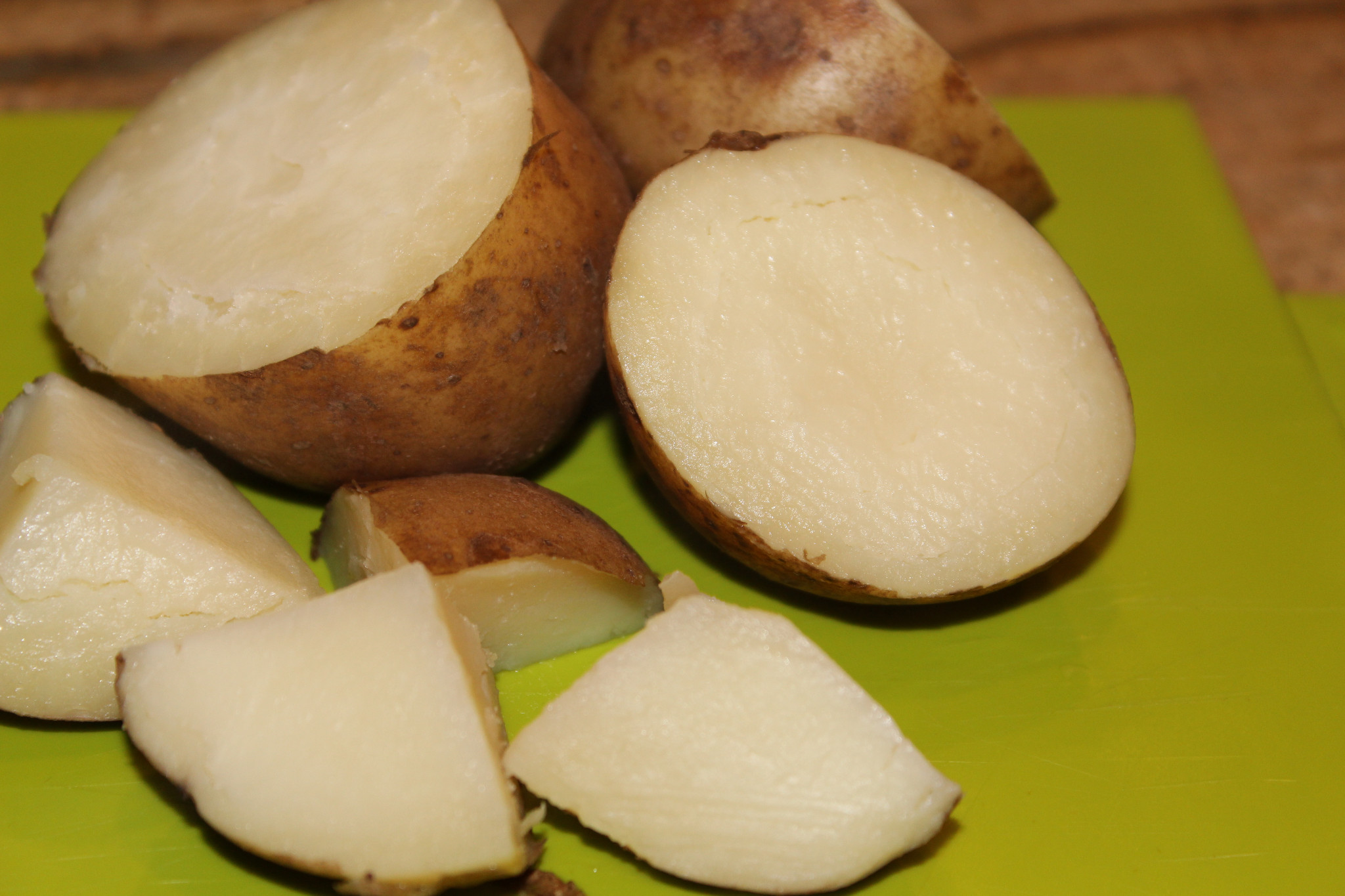
2. Potatoes: Boil 3-4 potatoes in their skin. Peel (or leave the skin on), cut into big cubes, and set aside.

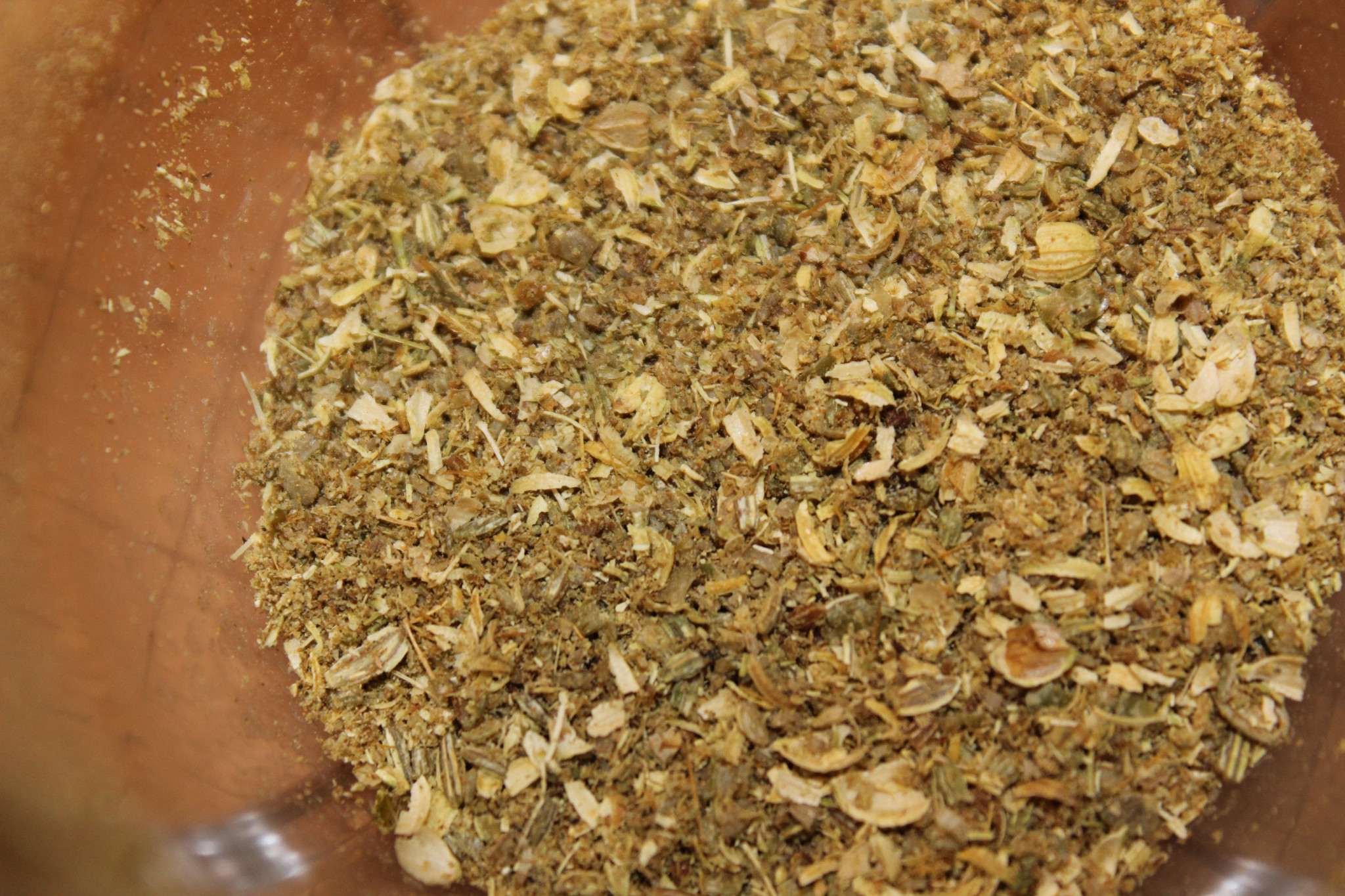
3. Spice Blend: Using a spice mill, clean coffee grinder or mortar and pestle, coarsely grind 1 tsp cumin seeds, 1 tsp fennel seeds, 1 tbsp coriander seeds, 3-4 peppercorns, 2 cloves. You can use more or less of each, just keep the proportions similar.

Substitute with powdered spices (milder flavor): 1 tsp garam masala, 1 tbsp coriander powder and 1 tsp cumin powder.

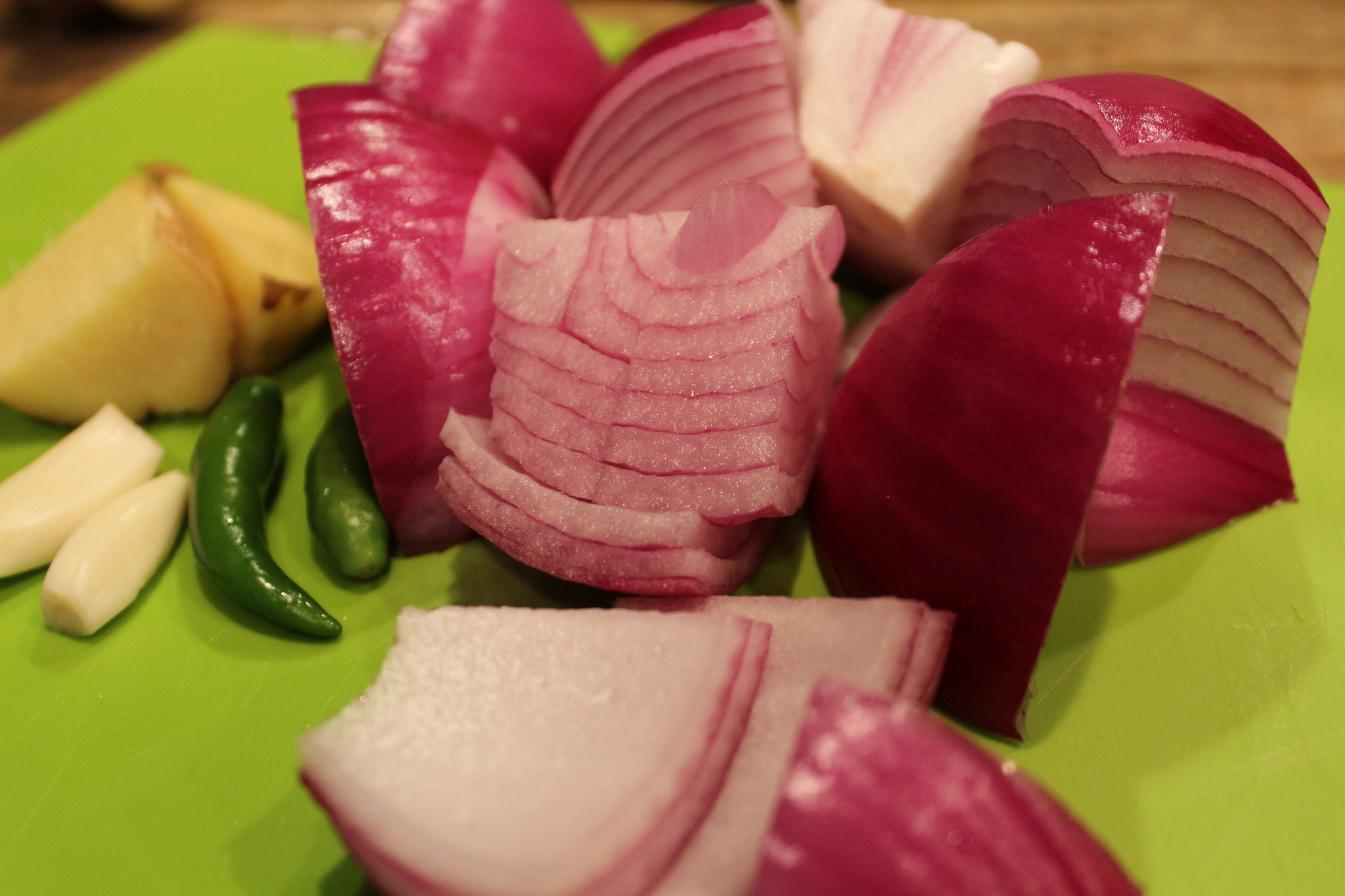
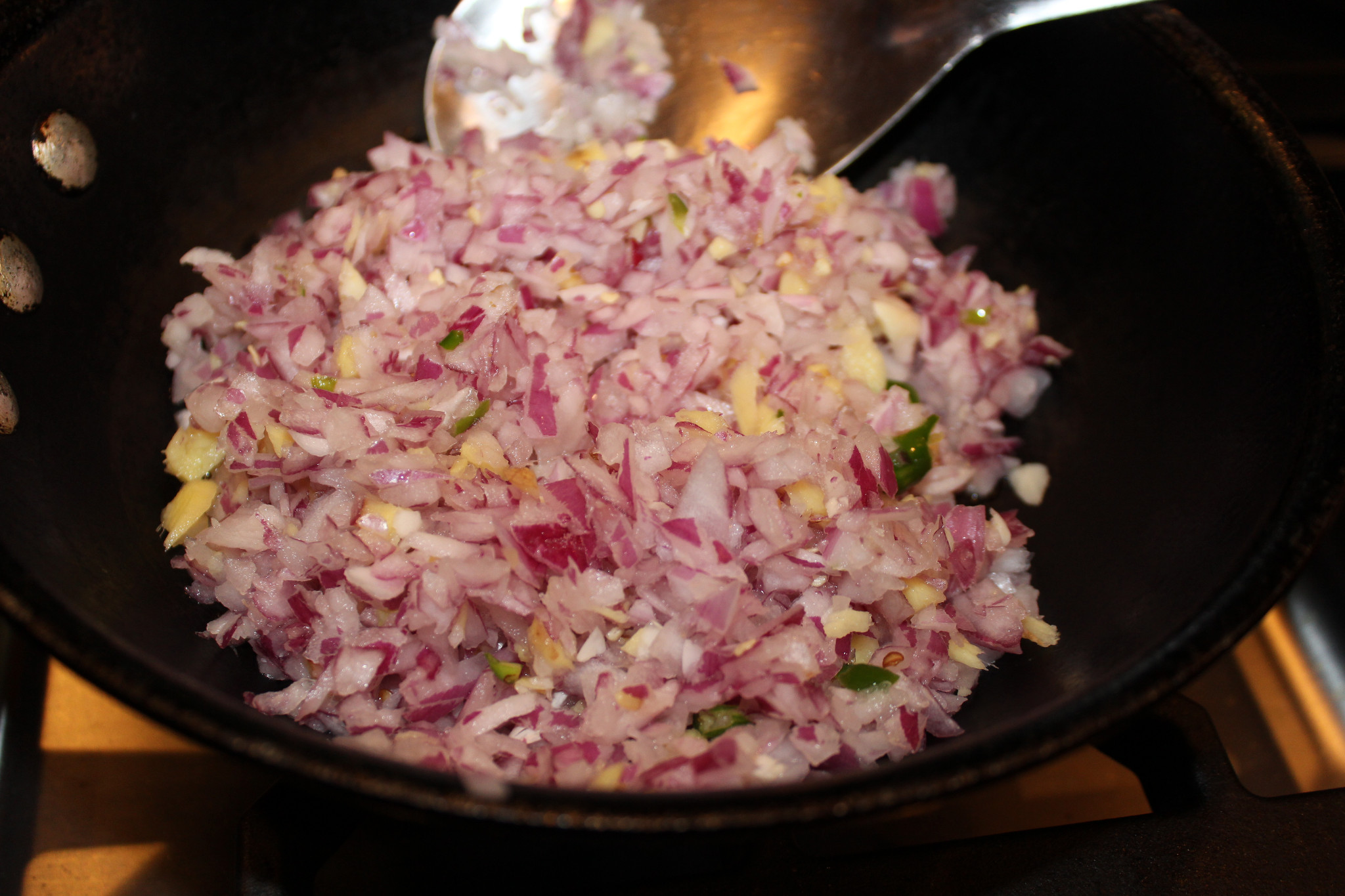
4.Finely mince: 2 small onions, 2 green chillies (optional), 1 inch piece of fresh ginger root, 2 cloves of garlic. I like to use a food processor to chop them all together.

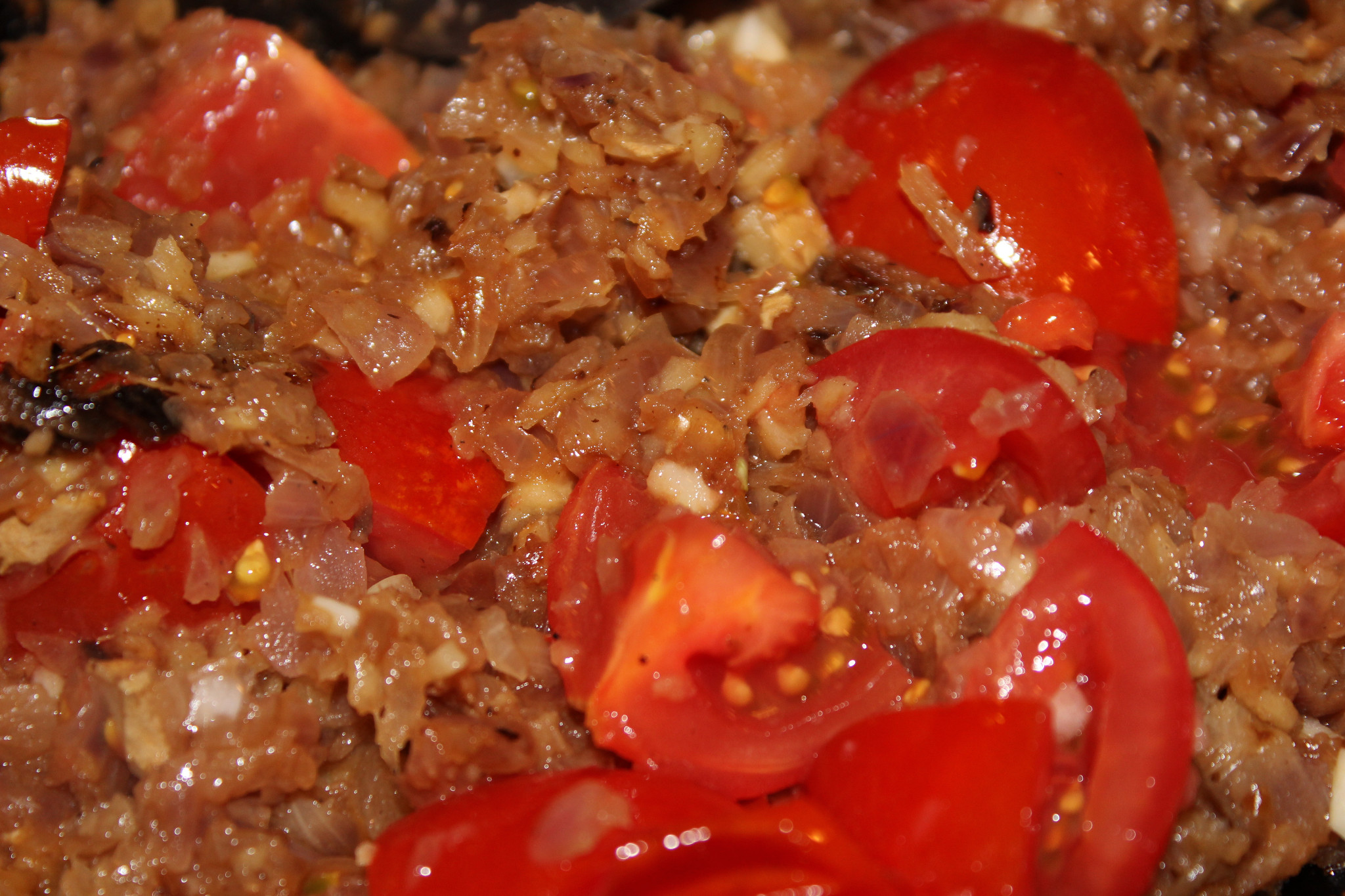
5. Caramelize onions: To make the gravy, begin by heating a couple tbsp vegetable oil in a heavy bottomed pan. Add the minced onion mixture and cook on high for a few minutes, stirring, while the onions lose water. Reduce heat to low and continue cooking for about 10 minutes or until the onions turn light brown and pull away from the sides of the pan. Stir occasionally, don’t let it burn.

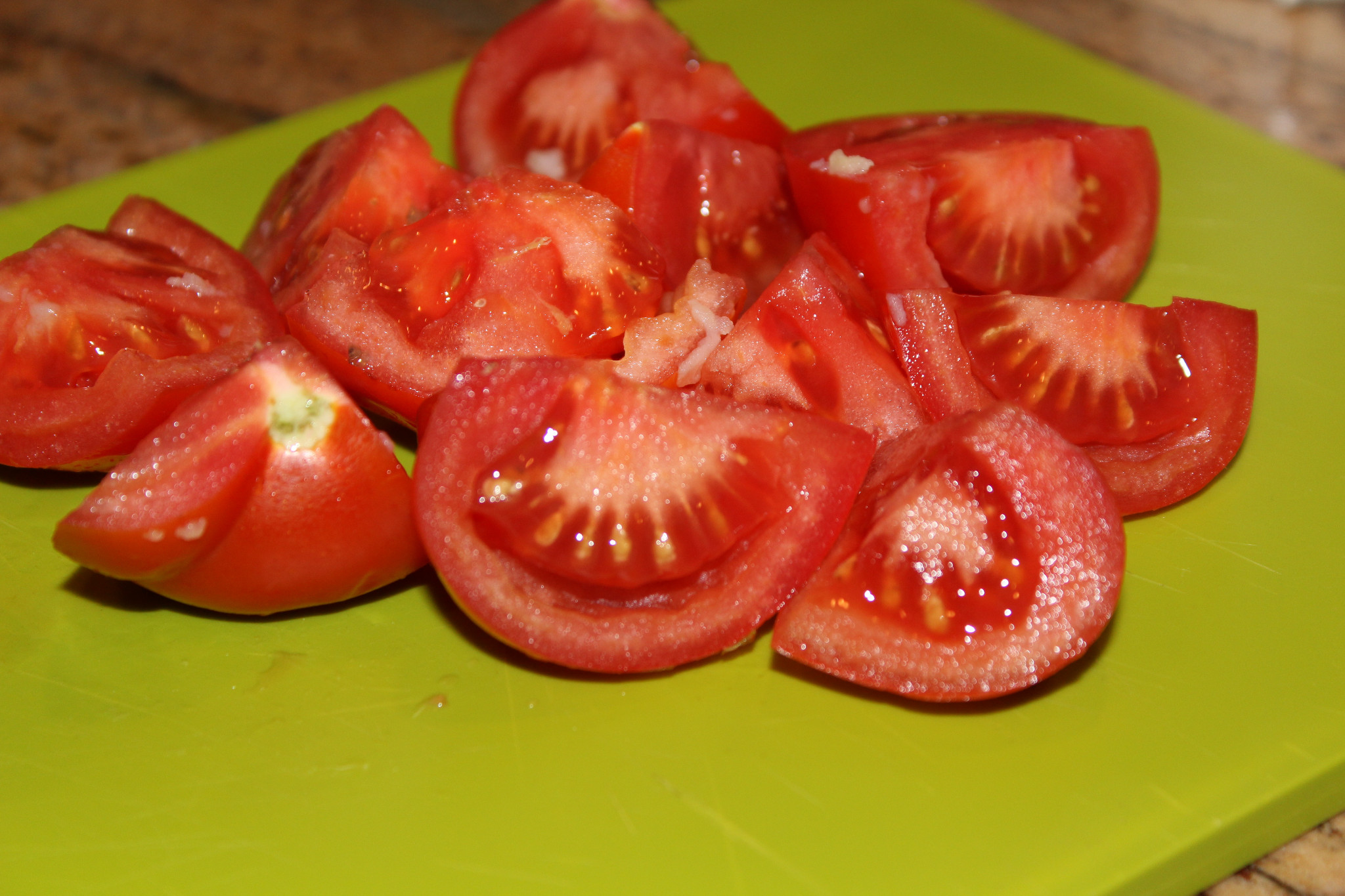
6. Tomatoes: Chop 2-3 tomatoes, add to the onion mixture and continue cooking.

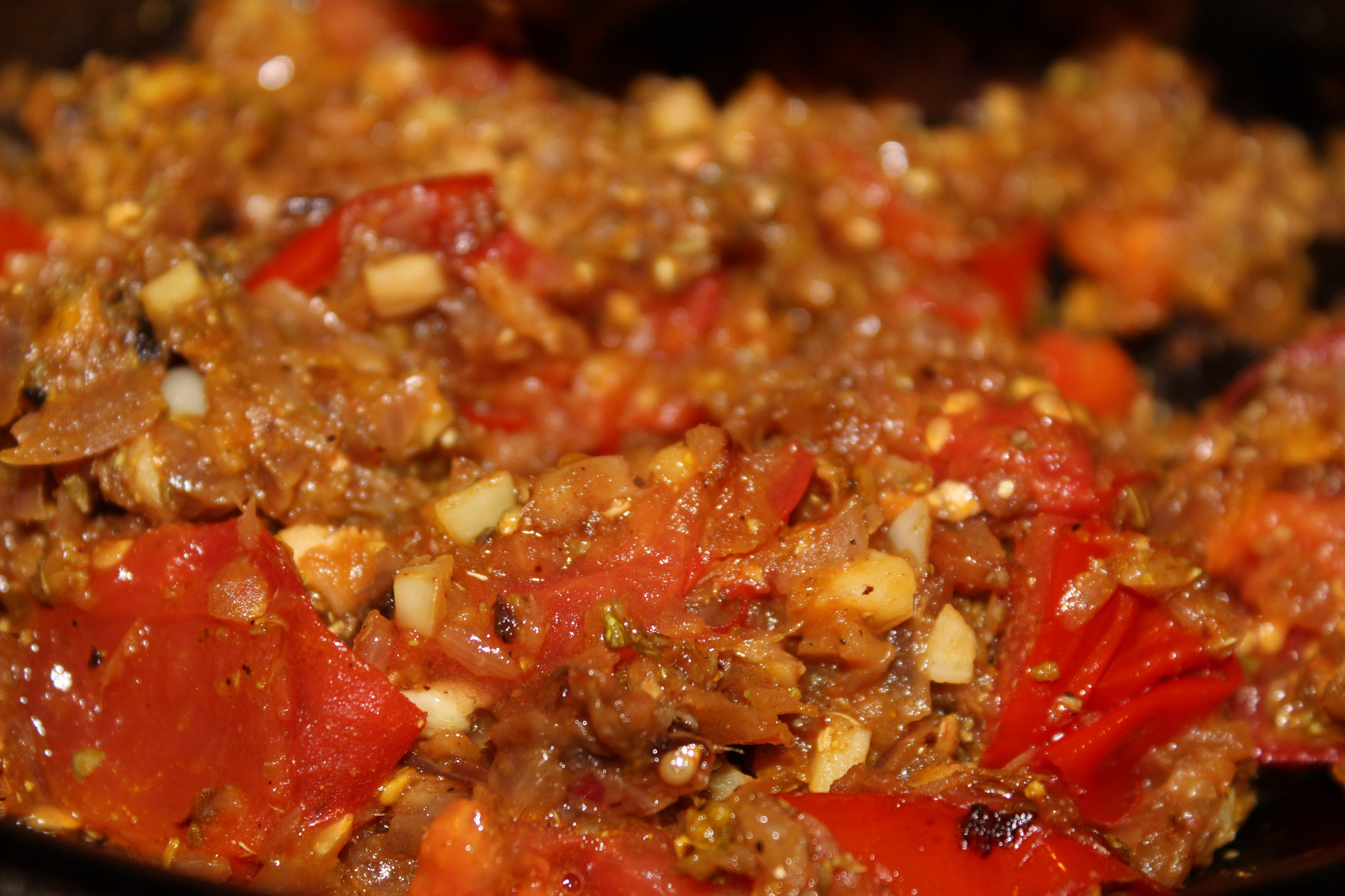
7. Spices: Add the freshly ground or powdered spices. Add a tsp of turmeric powder and a quarter tsp of chilli powder/cayenne pepper (optional). Also add salt to taste and a good pinch of sugar to balance flavor. Mix in the spices while on low heat.

8. Potatoes: Add the cubed potatoes, and mix them in.

9. Chickpeas: Add the cooked chickpeas in their water. If using canned, add drained chickpeas and then add a cup or more of water to make a gravy of your choice of thickness (it will continue to thicken).

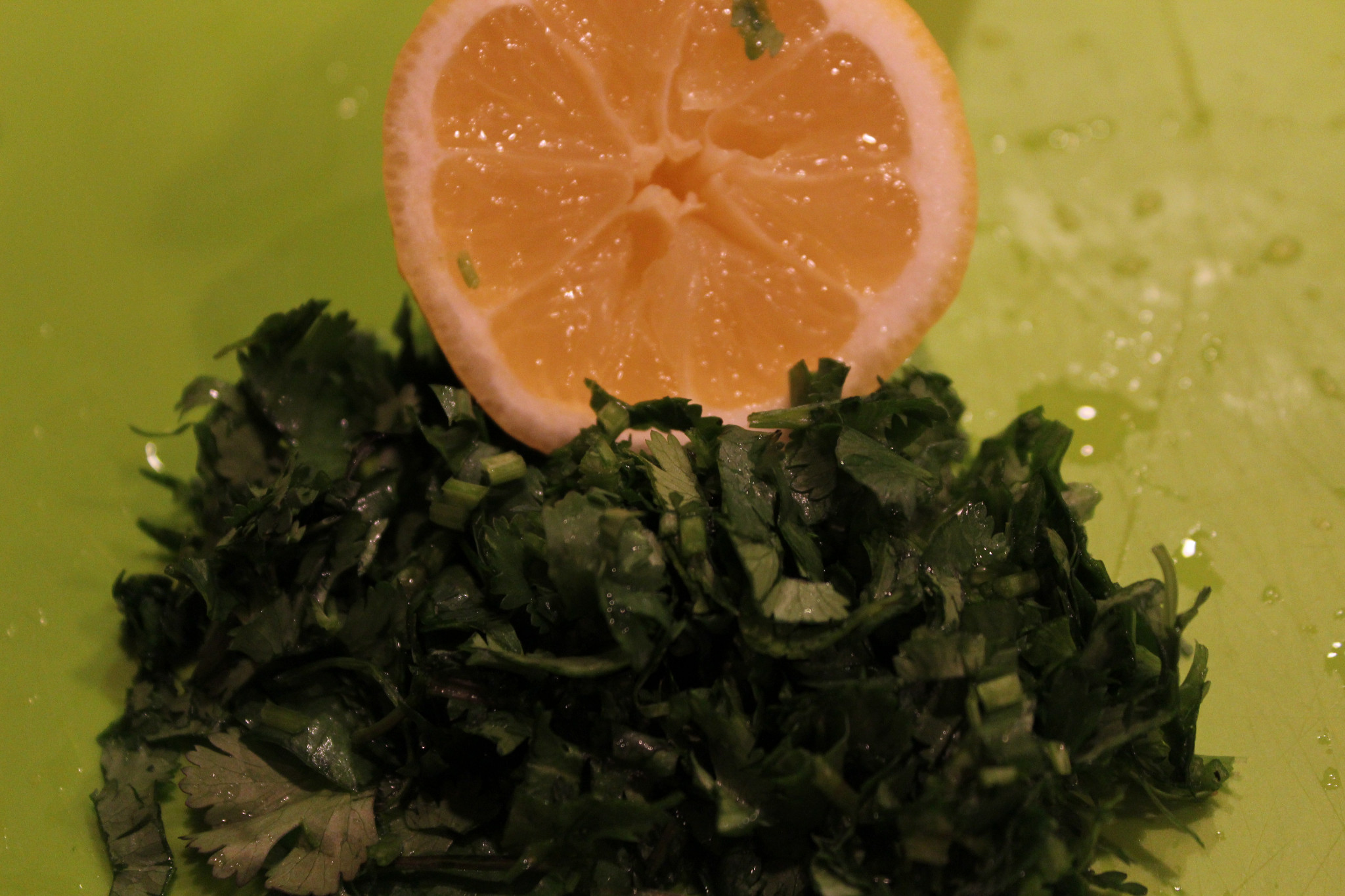
10. Garnish: After the chickpeas have simmered in their tomato-spice broth, squeeze in half a lemon (or lime) and garnish with chopped cilantro/coriander leaves. If it seems too spicy, you can add a dash of cream or a dollop of yogurt just before taking it off the heat.

Serve hot, with the _pulao rice, cucumber raita and optional store bought naan (Indian bread).

Blog post: https://madamescientist.wordpress.com/2012/04/13/chickpeas-for-comfort-spicy-channa-masala/

Posted in Rajini Rao | 91 Comments

COOKALONG RECIPE POST #1

COOKALONG RECIPE POST #1

For Shinae Choi Robinson’s Indian Cookalong Event, see here: http://goo.gl/Bo5uh

Originally shared by Rajini Rao

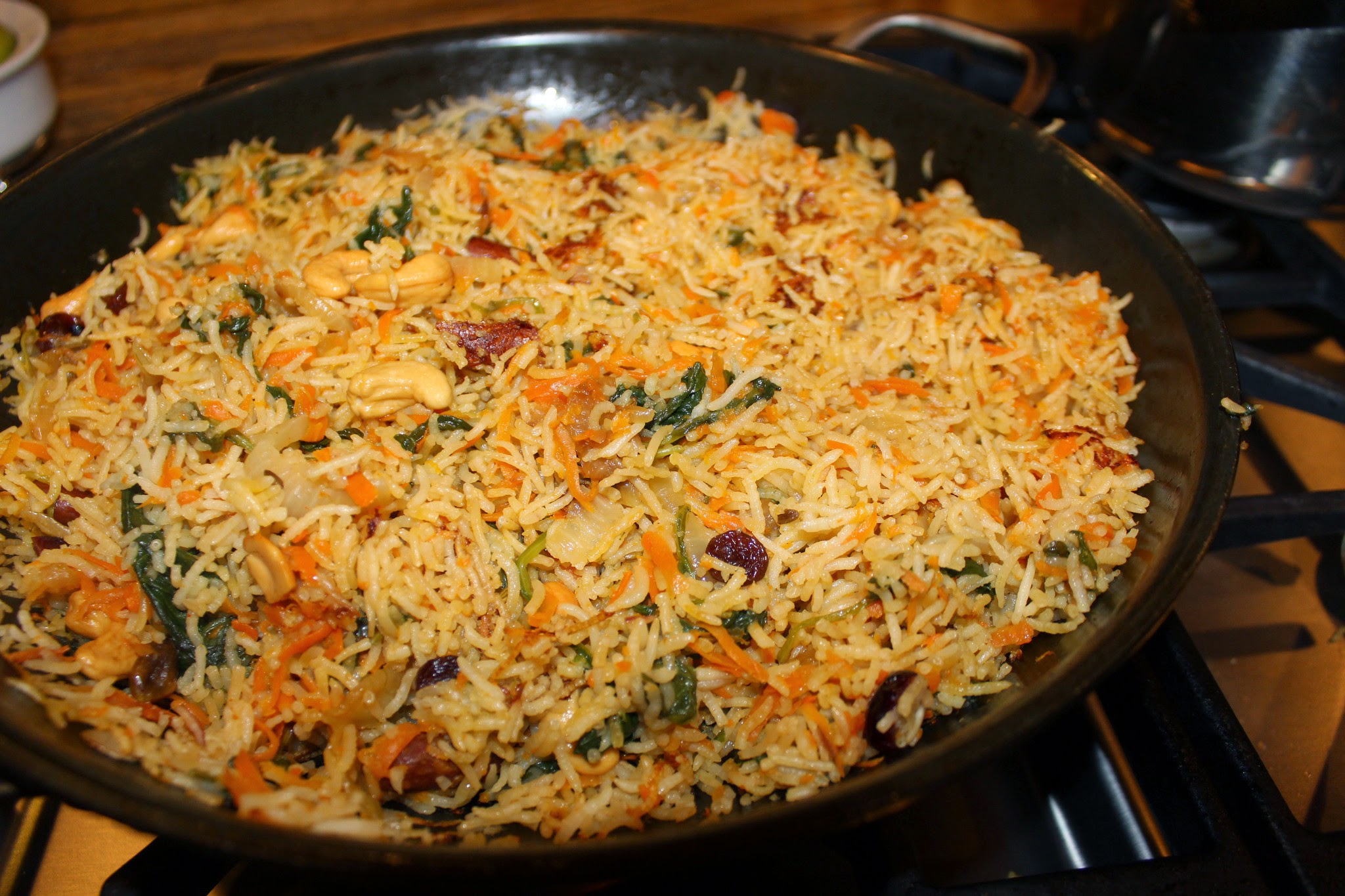
Practically Perfect Basmati Rice Pulao

1. Presoak the Basmati rice: Measure out 2 cups. Rinse a few times under cold running water and drain. Season the wet rice with coarse salt, a pinch of sugar and some red chilli powder. Toss together gently, and let sit for about 20 minutes while you prep the rest of the pilaf.

2. Preheat the Water: Measure out 4 cups of water into a pot and heat on the back burner.

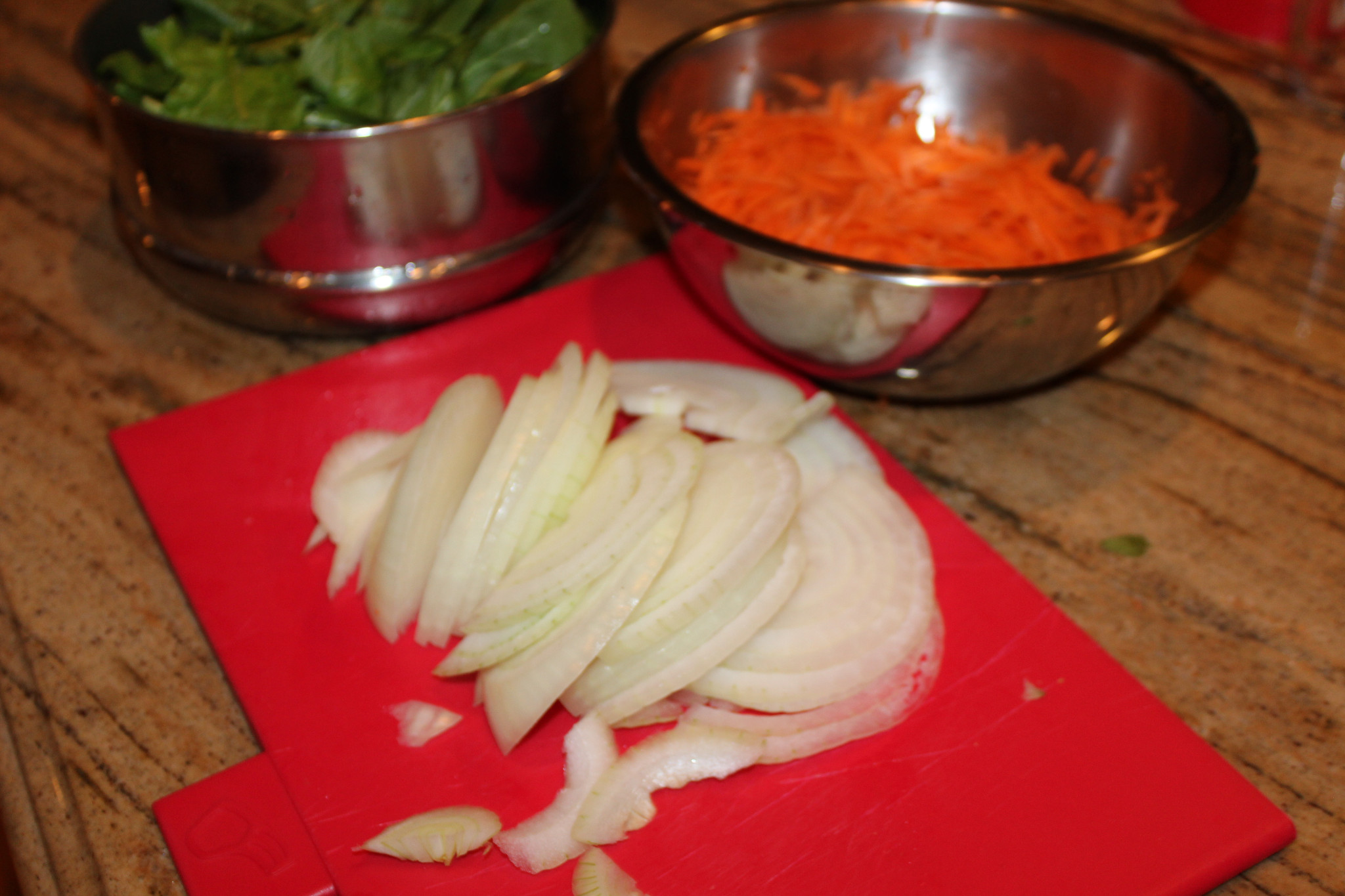
3. Prepare the Veggies: Grate two carrots, wash the spinach and set aside. Thinly slice one large onion.

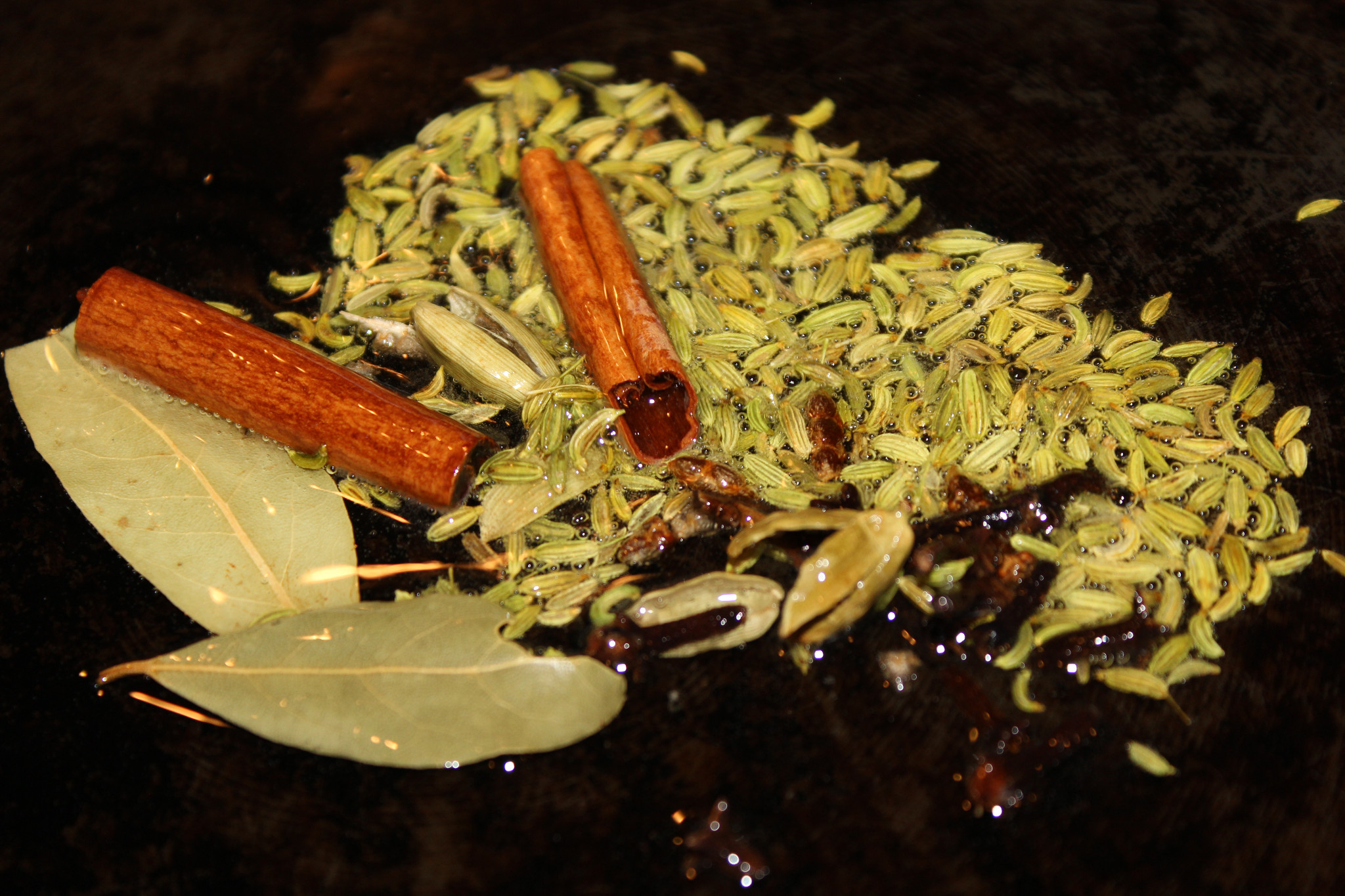
4. Measure out Spices: 2-3 cardamom pods, split (you ought to save the shells for tea, but I left them in), 2 bay leaves, a cinnamon stick, 3-5 cloves and a tablespoon of fennel seed.

5. Nuts and dried fruits: Set aside a good handful of mixed nuts and dry fruits including some or all of the following: almonds, pistachios, cashews, cranberries, raisins, and cherries.

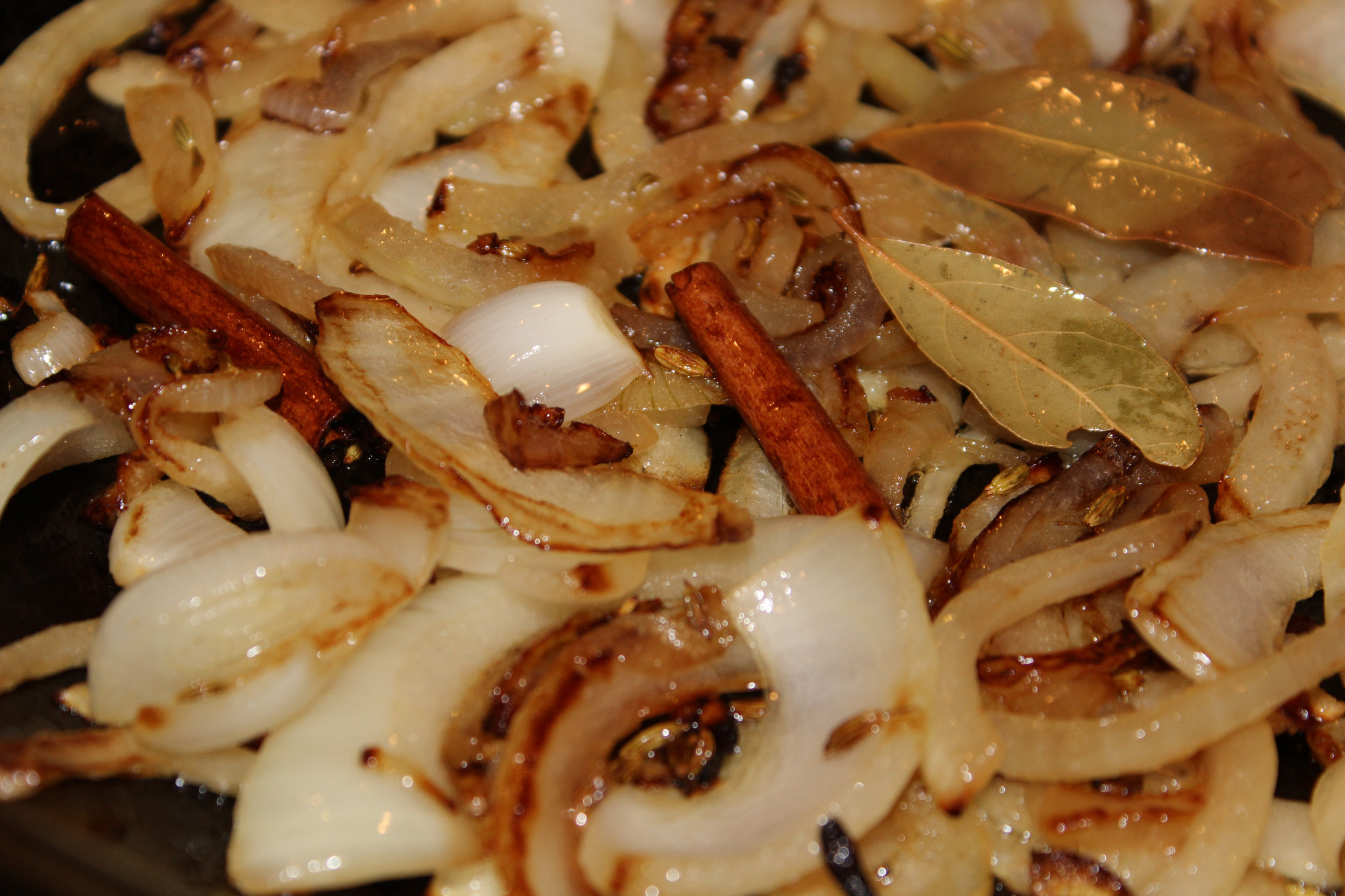
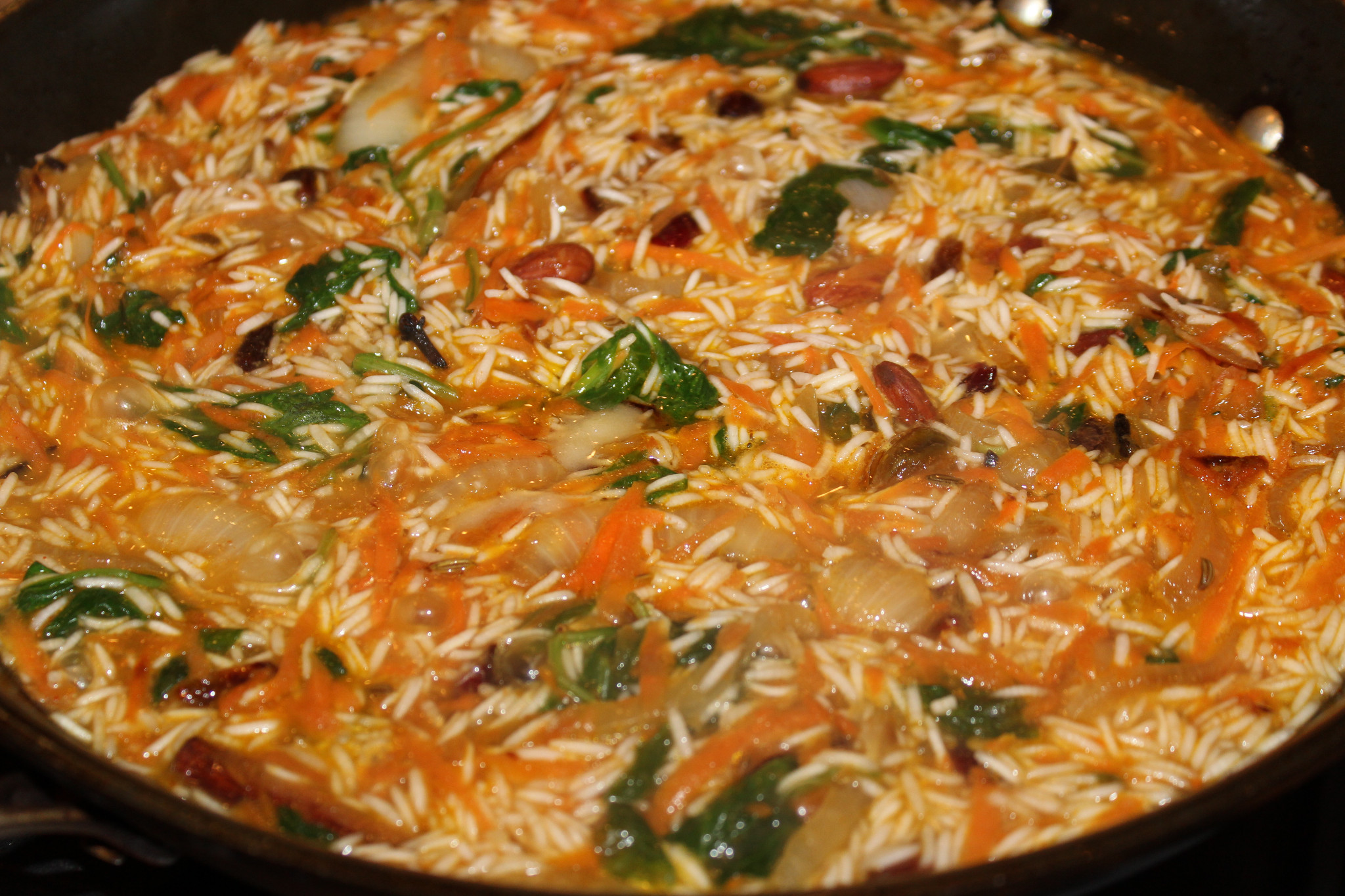
6. Heat 2-3 tbs of oil in a heavy bottomed pan. Add the spices. When they sizzle, add the sliced onion and fry until lightly browned. Then add the grated carrots and spinach, and stir in. Add the mixed nuts and dry fruits. Add the presoaked rice and mix in very gently (so as not to break the grains).

7. Pour the hot water into the rice mixture and stir in. You can dot it with some butter or ghee for additional richness. Cover with a lid and let it steam on low for another 10 min. The water should be completely absorbed and leave small holes on the surface of the rice.

8. Serve with Raita: Simply peel and grate a cucumber into a bowl. Add plain yogurt (store bought or homemade) and mix in thoroughly. Season with salt and pepper.

Blog post: https://madamescientist.wordpress.com/2012/06/01/practically-perfect-pilaf/

Posted in Rajini Rao | 37 Comments

Columnar Basalt on Jeju Island, Korea

Columnar Basalt on Jeju Island, Korea

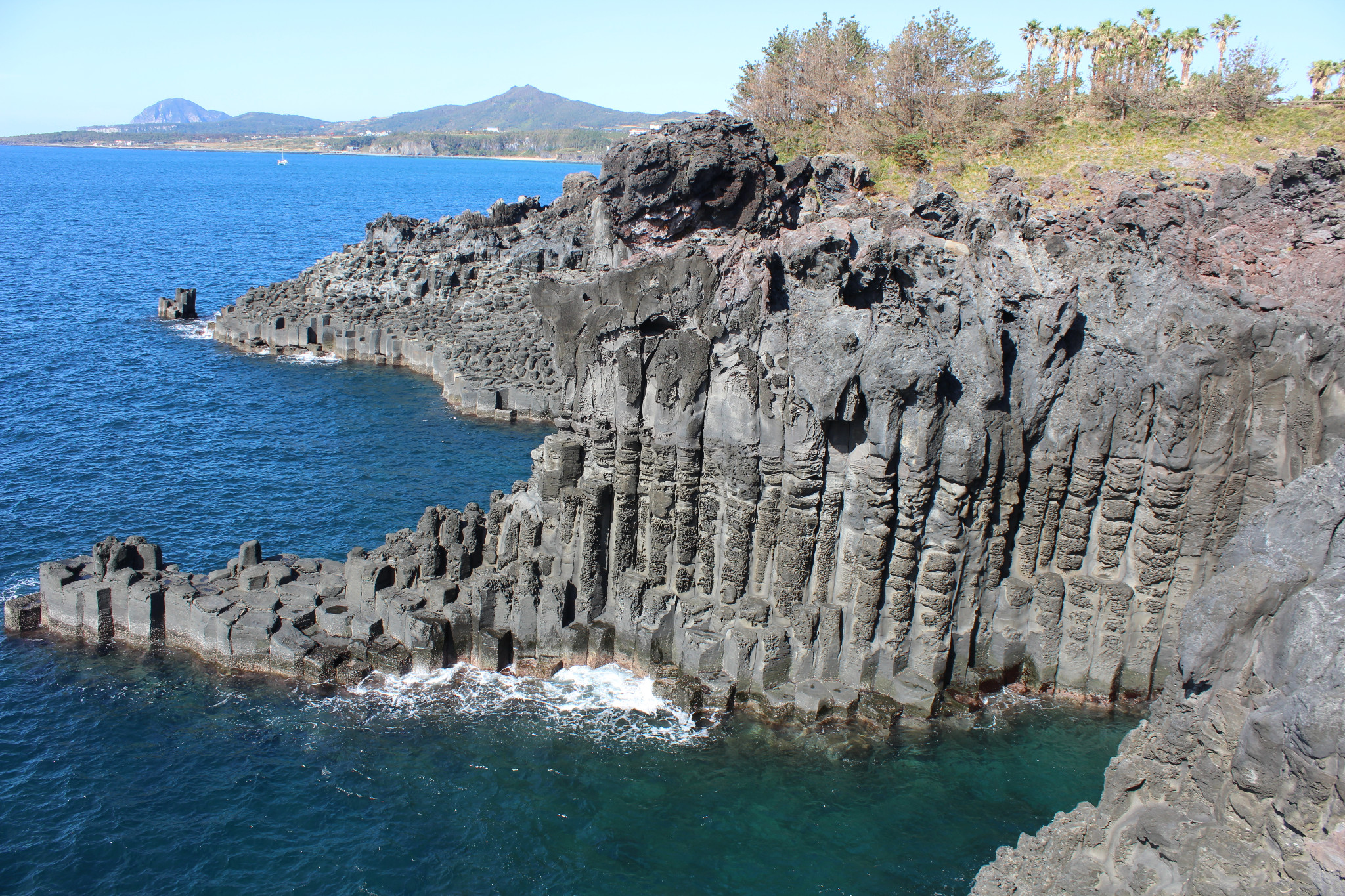
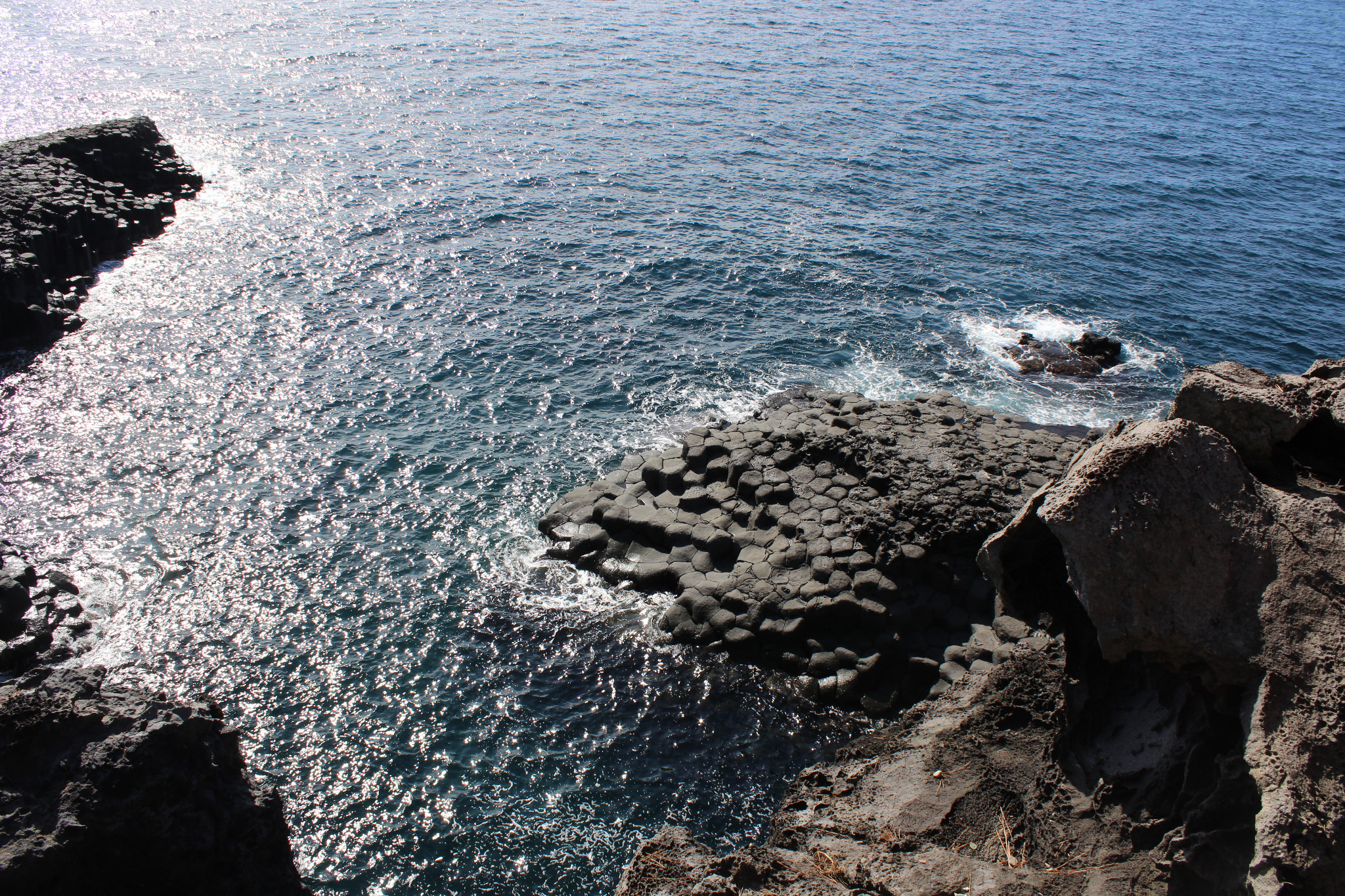
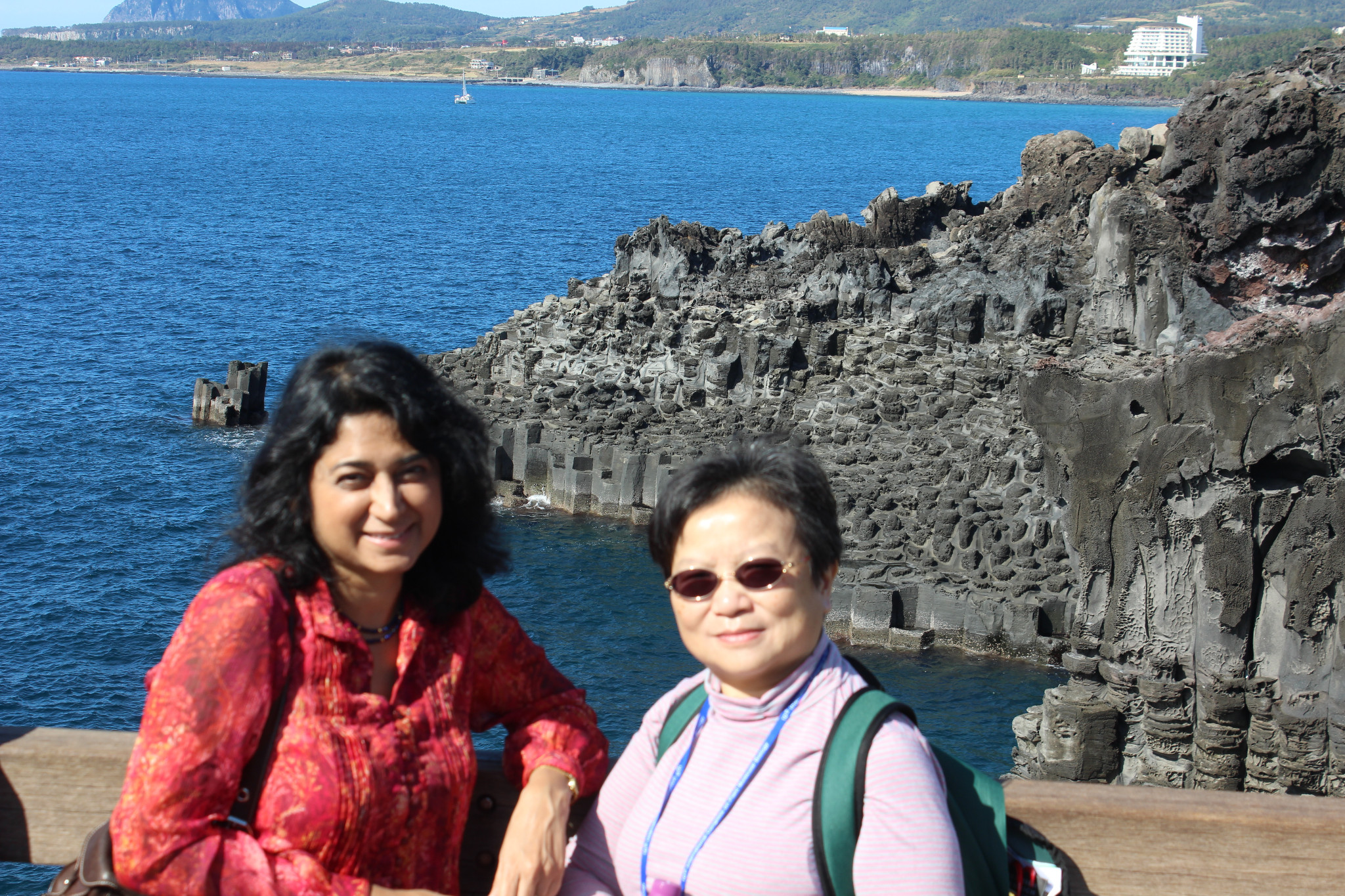
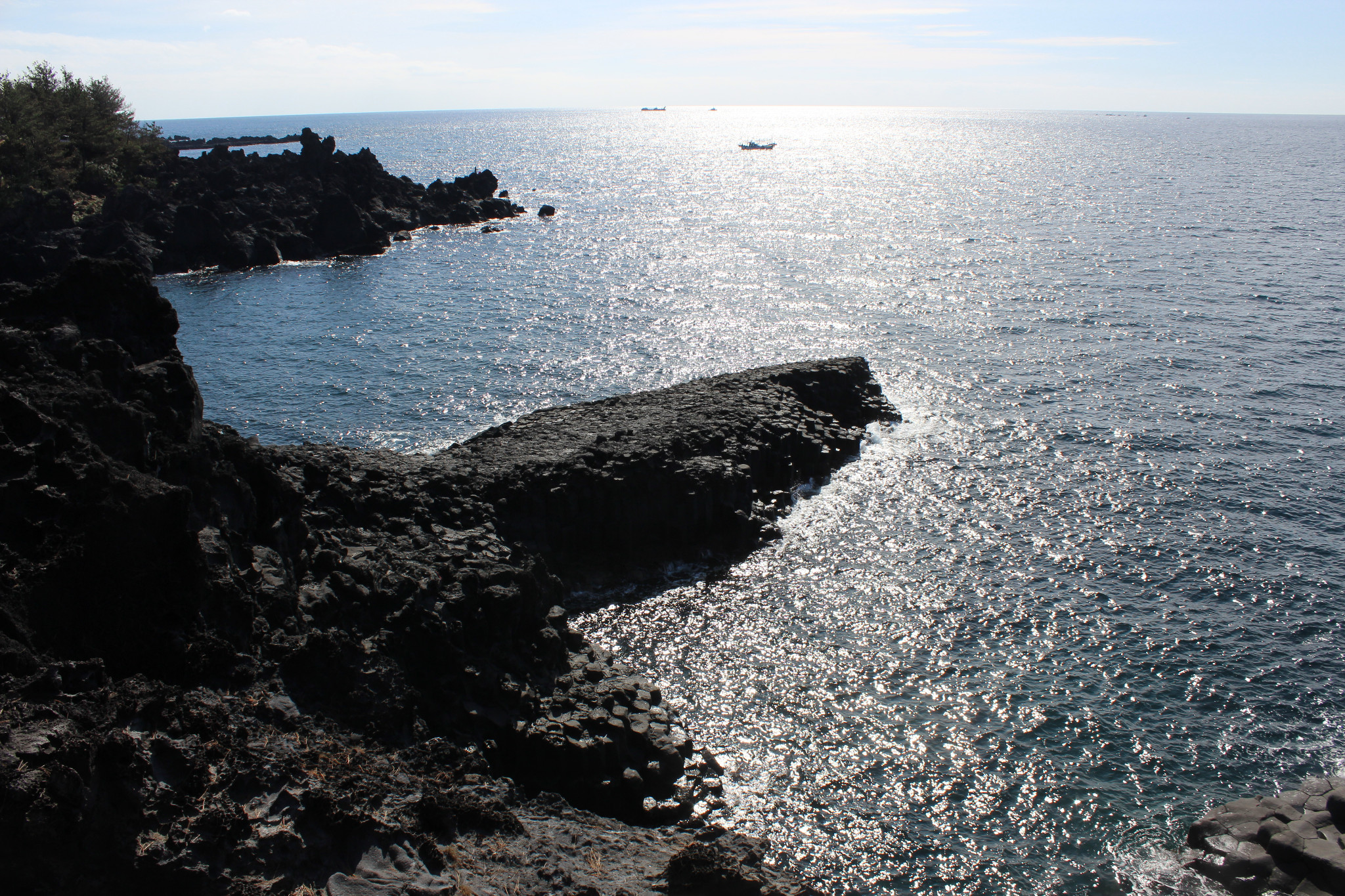
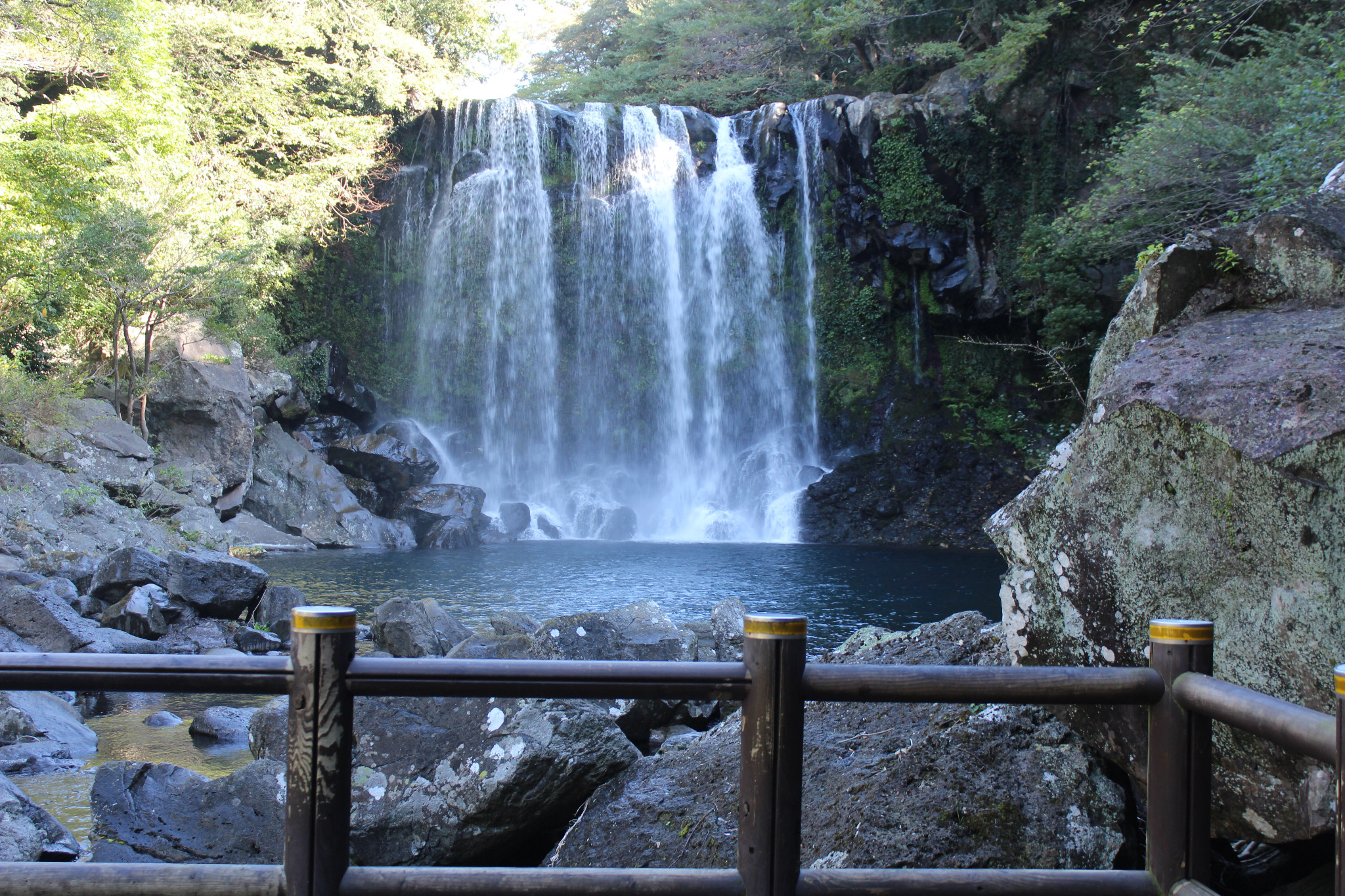
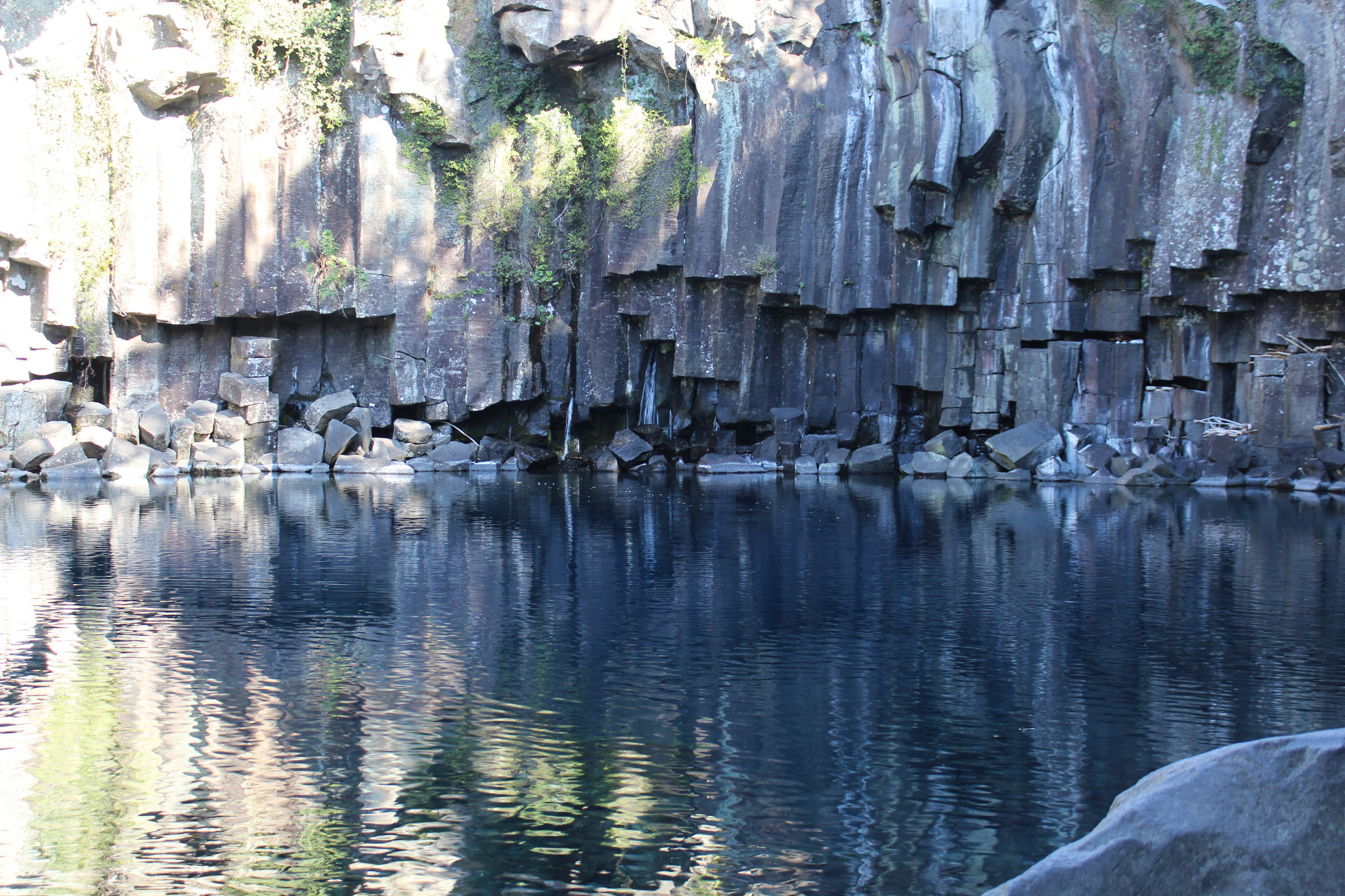
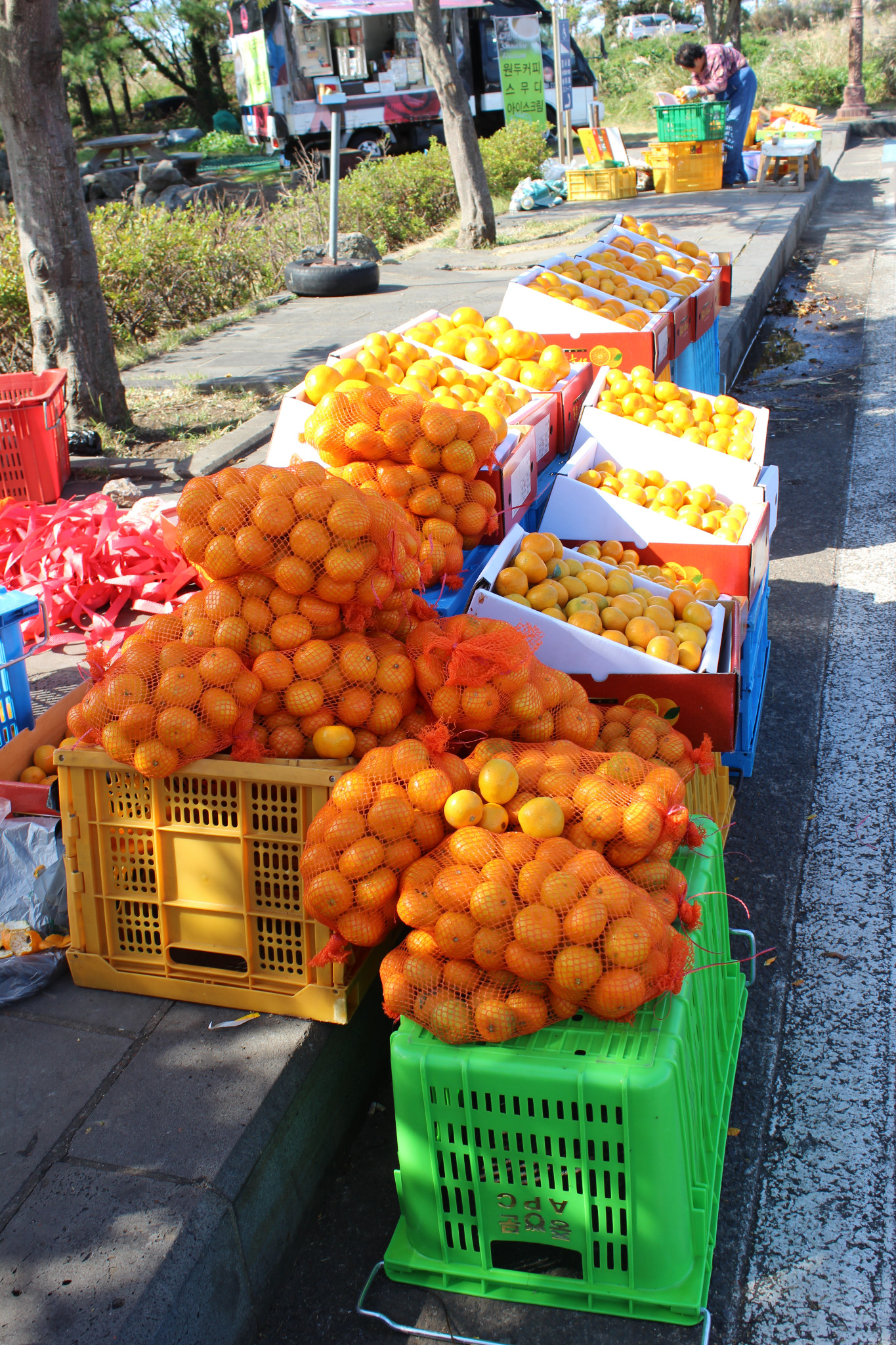
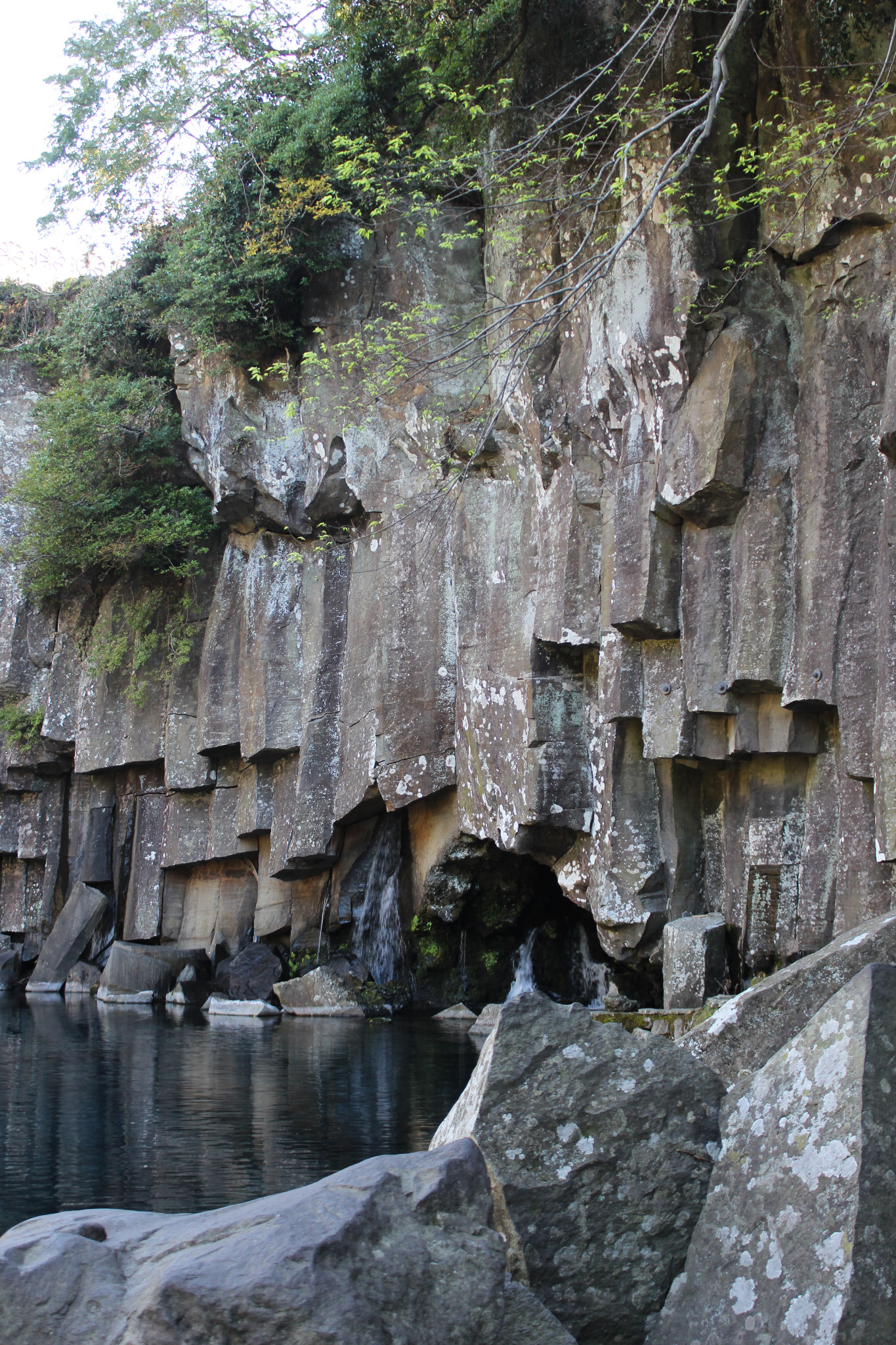
• My recent junket to South Korea, purportedly on the invitation of the International Plant Biology conference, took me to Jeju Island.  Dominated by the central Halla-san volcano, this temperate island has waterfalls plunging into the glittering ocean, skates drying in the wind, and tangerine groves galore.  I spotted these geological formations of columnar basalt along the southern coast of Jeju island at Jusangjeolli (주상절리), and at the three-tiered Cheonjeyeon Waterfall.

• Basalt is volcanic rock formed from cooling lava. As thick lava flow cools, it fractures- more easily in the horizontal direction than vertical. This results in columnar basalt, with amazingly regular hexagonal shapes. The slower the cooling, the larger the columns. The ones on Jeju-do were formed between 250,000 and 140,000 years ago, during the Pleistocene period. Another famous example is the Giant’s Causeway of Ireland, where the geometric perfection seems artificial or photoshopped! 

Thanks to Thomas Kang for exhorting me to check these out. HIRL account with Thomas coming up; sorry, no pictures of the Korean spa 😉

Posted in Rajini Rao | 67 Comments

COME COOKALONG!

COME COOKALONG!

How I Cook: “I cook with wine, sometimes I even add it to the food.”

― W.C. Fields

A Good Reason to Cook: “There is no spectacle on earth more appealing than that of a beautiful woman in the act of cooking dinner for someone she loves.”

― Thomas Wolfe

A Useful Excuse: “It ain’t burnt… it’s blackened.”

― Bunny Mathews

What I Learned: “No one is born a great cook, one learns by doing.”

― Julia Child

My Cooking Philosophy: “Ingredients trump appliances,

passion supersedes expertise,

creativity triumphs over technique,

spontaneity inspires invention,

and wine makes even the worst culinary disaster taste delicious.”

― Bob Blumer

Originally shared by ****

Join me in cooking a delicious vegetarian Indian meal with recipes and guidance provided by G+’s First Lady of Science and Indian home cook extraordinaire, Rajini Rao. 🙂

Intro to Cookalongs: http://goo.gl/Psz8r

The Menu: 

https://plus.google.com/u/0/105466596306740968847/posts/E2efQoeWsFk

To see how our last Cookalong went:

https://plus.google.com/u/0/events/c66aprm3qvjttf7nb6g438e07h4

Stay tuned as we add more details and info. I’ll notify you in this event stream when we do! 🙂

events/cdmvvohdlisqbqot48qadavhsag
Posted in Rajini Rao | 22 Comments

A Sweet Celebration of Science!

A Sweet Celebration of Science!

Please add ScienceSunday to your Circles, and keep #sciencesunday trending on Google Plus 🙂

You can tag your posts #scienceeveryday when it’s not #sciencesunday . Please welcome Buddhini Samarasinghe who joins our team as Curator, and Richard Smith , who is guest-curating for us today.
Originally shared by ScienceSunday

Chocolate Periodic Table

Is this why most elements end in yum ? As in Sodiyum, Calciyum..
via http://cheezburger.com/6312878336 for your #sciencesunday eating viewing pleasure.

Posted in Rajini Rao | Tagged , | 54 Comments

Microbe Monopoly: Go Directly to Jail

Microbe Monopoly: Go Directly to Jail 

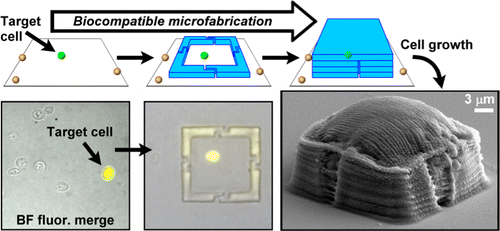
A Cell for a Cell: Using multiphoton lithography, scientists can now fabricate a 3D nanoscale isolation chamber around a single cell in just over a minute! Only 25 μm × 25 μm in length and breadth (or 0.00098 inch per side), and 10-12 μm in height, this prison cell is made of protein particles that can be photo-activated to set into a solid hydrogel. The prisoner is treated kindly, with breathable, bio-compatible windows built into the walls which allows the cell to feed and breed. Indeed, the scanning EM image on the extreme right shows the walls bulging with daughter cells that have divided and filled the chamber. Overcrowding of prisons seems to be an issue even in the cellular world, sigh .

Targeted Traps: While current methods allow single cells to be trapped on nanopatterned surfaces, selection is random. This new method allows specific cells, such as one with a particular phenotype (or appearance), to be captured and investigated. In another word, profiling. double sigh (Enough of anthropomorphism 🙂

Read More (and check out the video in the link): http://goo.gl/Y6I8K

#sciencesunday  

Posted in Rajini Rao | Tagged | 50 Comments