Freddie For A Day: Join Angry Birds this week in honor of Freddie’s Birthday on September 5. Sport a ‘stache, strut your stuff and be flamboyant. It’s for a great cause: help wipe out AIDS and ❤ Freddie.
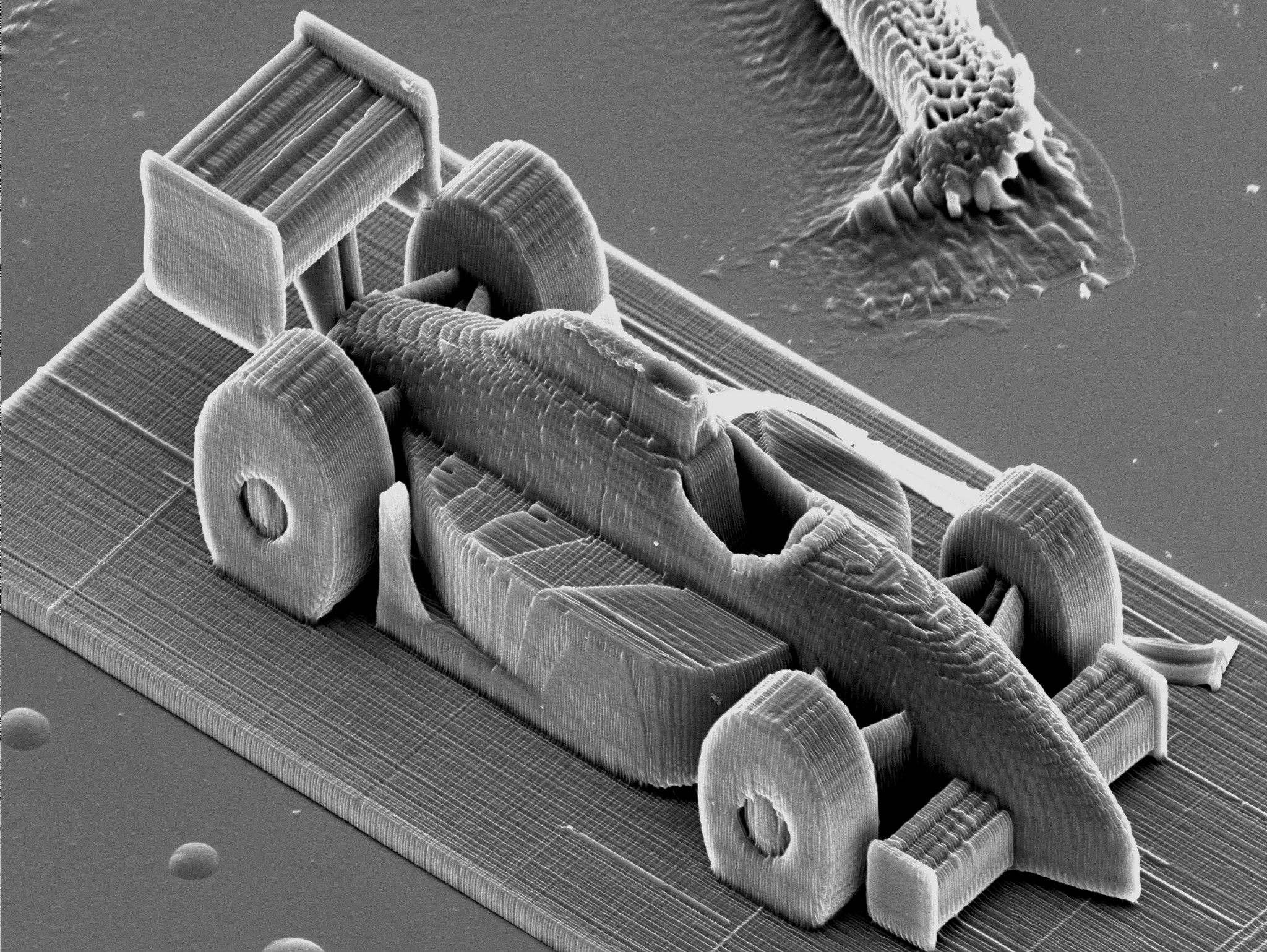
• This model of an Indy Car, about the width of a human hair, was made in 4 minutes using a 3D printer. Printing three dimensional objects at a nanoscale with incredibly fine details is now possible using two-photon lithography. Scientists at Vienna University of Technology have broken the record for speed printing, going from a few mm/sec to 5 m/sec! This is done using precisely controlled mirrors to focus a laser beam on printed resin. Because the resin hardens only when activated by 2 photons of light, at the very center of the laser beam, solid material can be created anywhere in the liquid resin instead of only at the surface. Potential applications include making scaffolds to build human tissue or body parts.
• Meanwhile, at this weekend’s Grand Prix races, real life Indy Cars will roar through downtown Baltimore, looping through 2 miles of familiar city streets at speeds >175 miles per hour. (I drive the same streets at a slightly more sedate pace on my way to work every day.) This uniquely urban track includes 12 turns over 200 bolted-down manhole covers in the heart of a 300 year old city, past the picturesque Inner Harbor along the Chesapeake Bay. Watch what happens when Tony Kanann’s breaks fail at 180 mph during last year’s Grand Prix in Baltimore. Amazingly, the drivers walk away unscathed. Tony Kanaan and Helio Crash at Baltimore
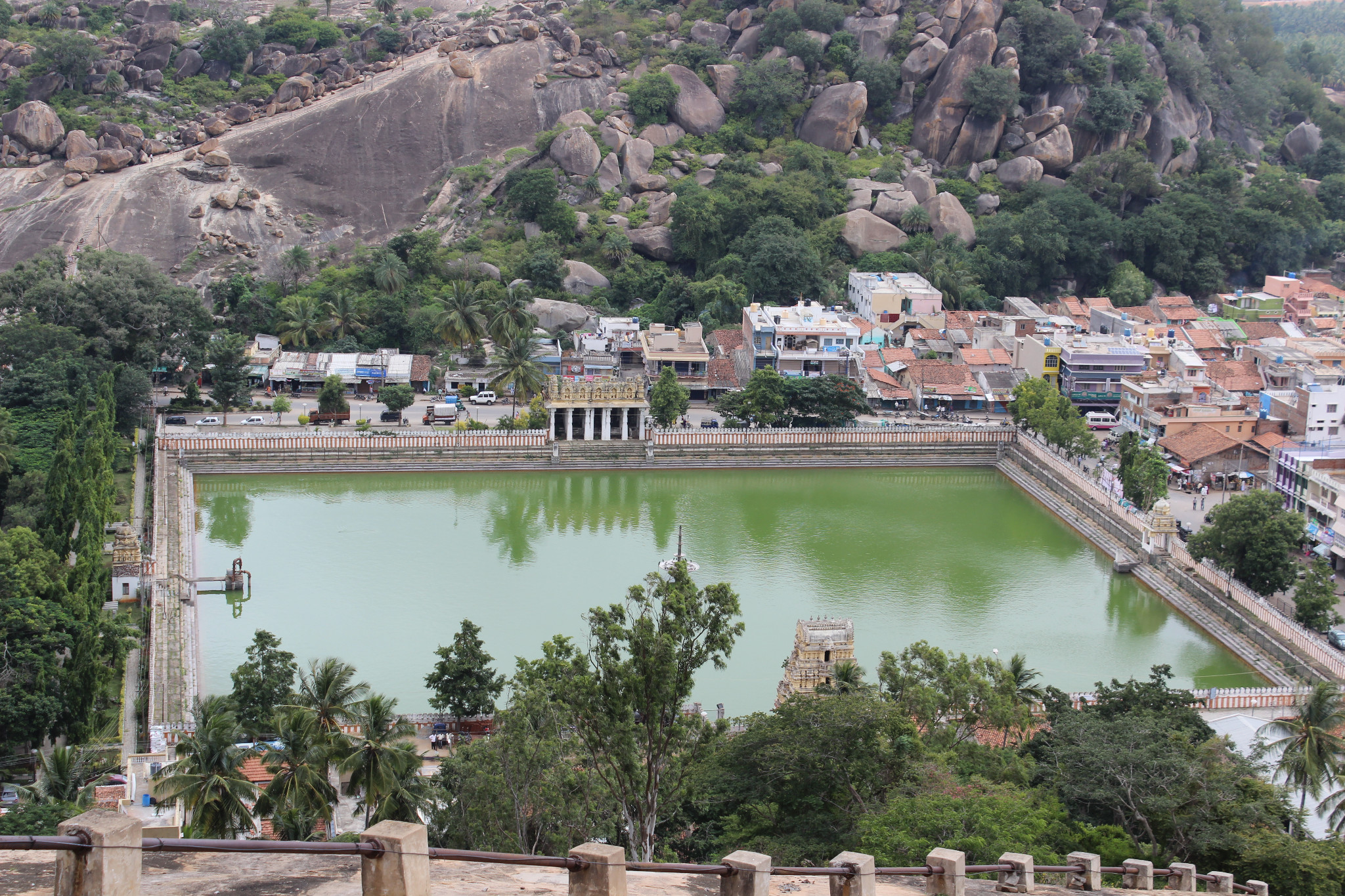
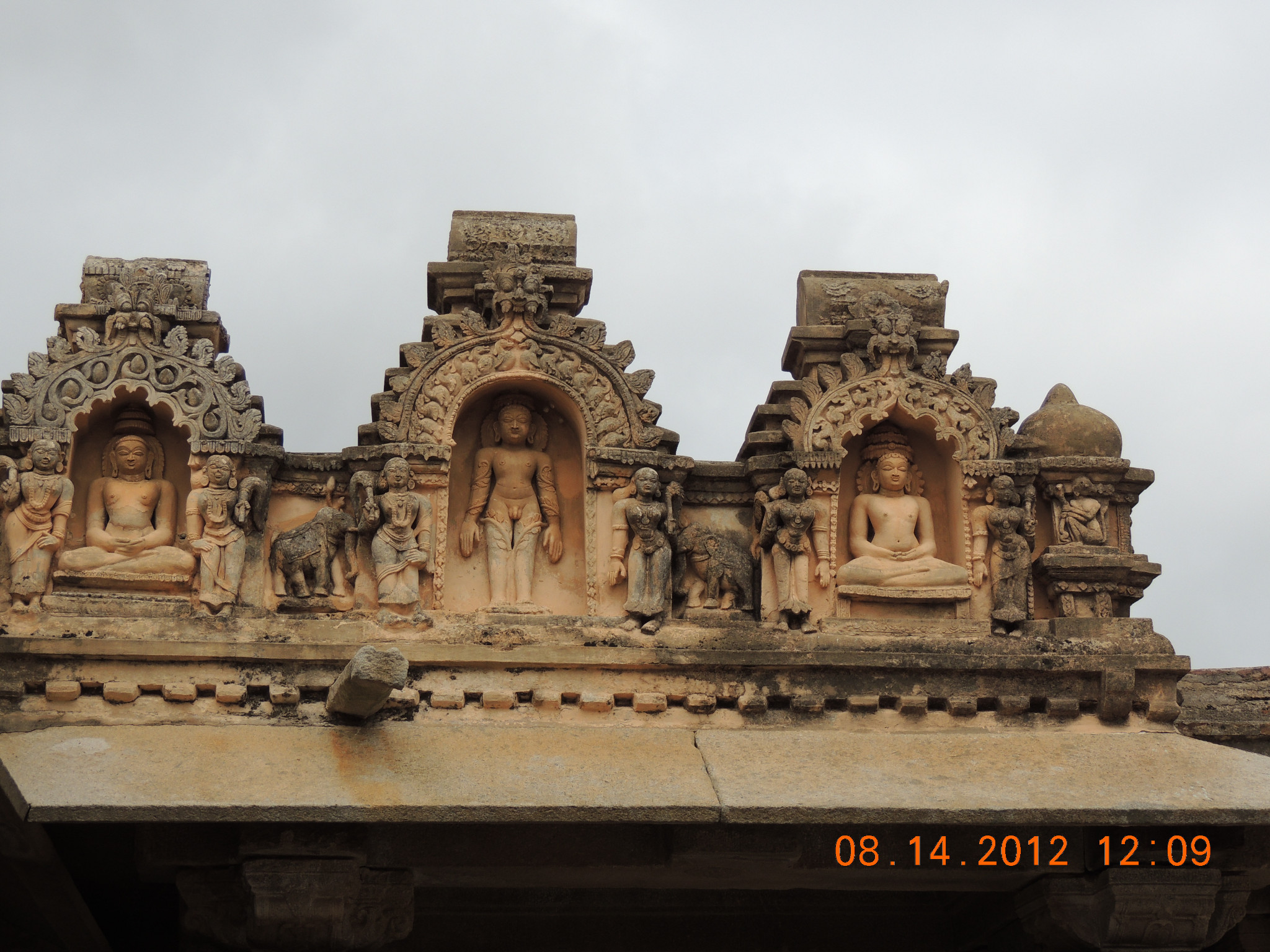
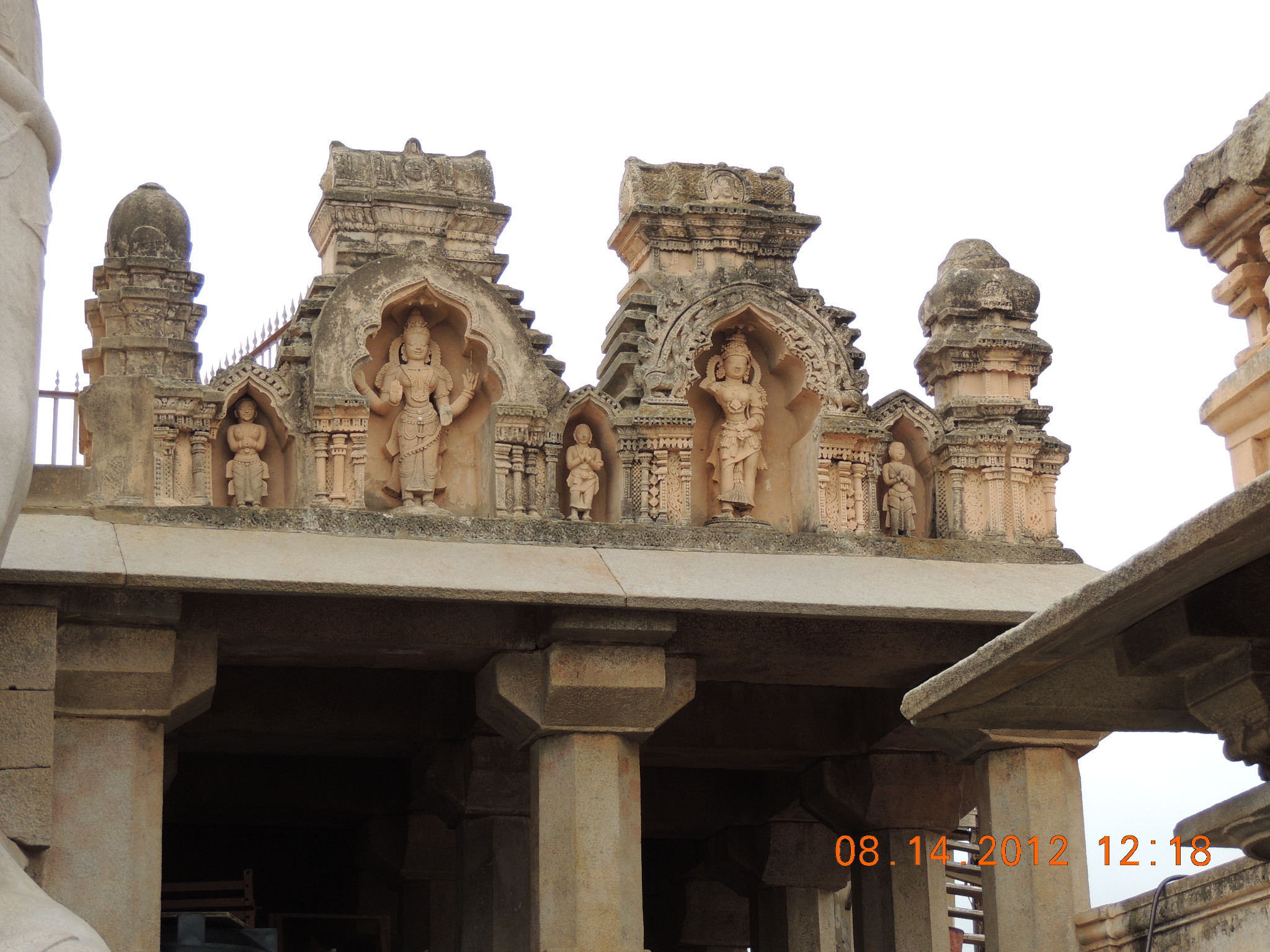
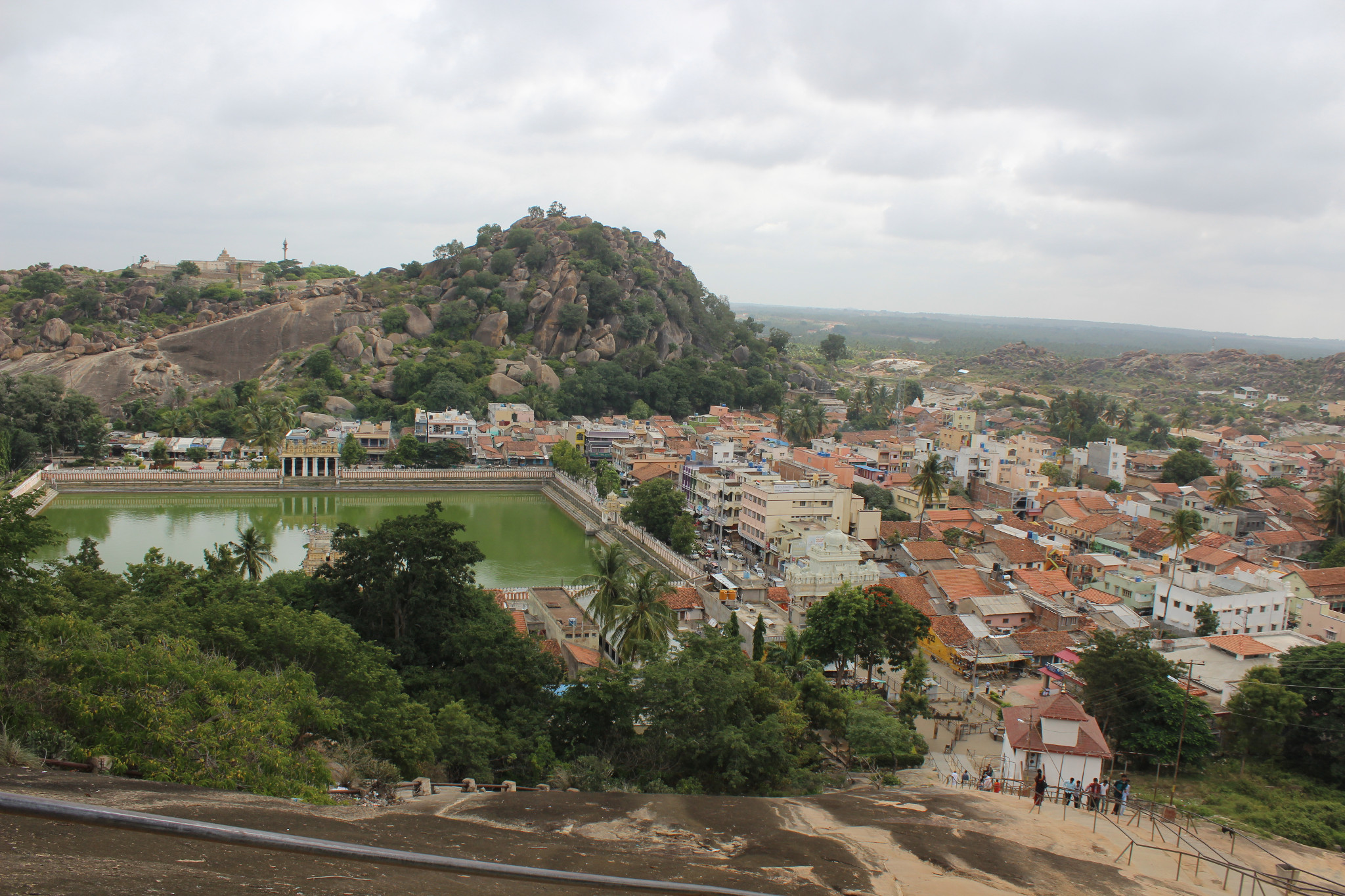
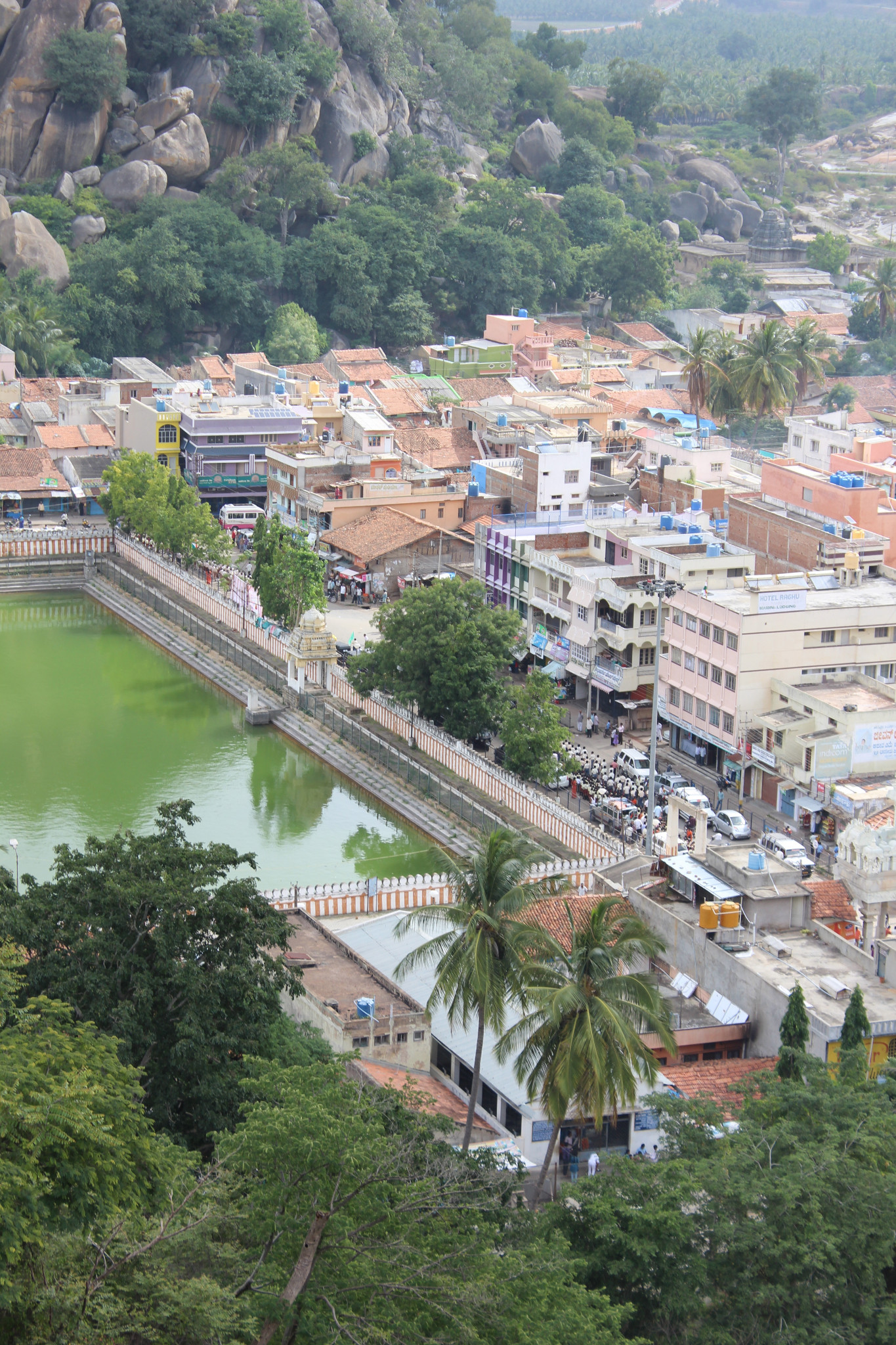
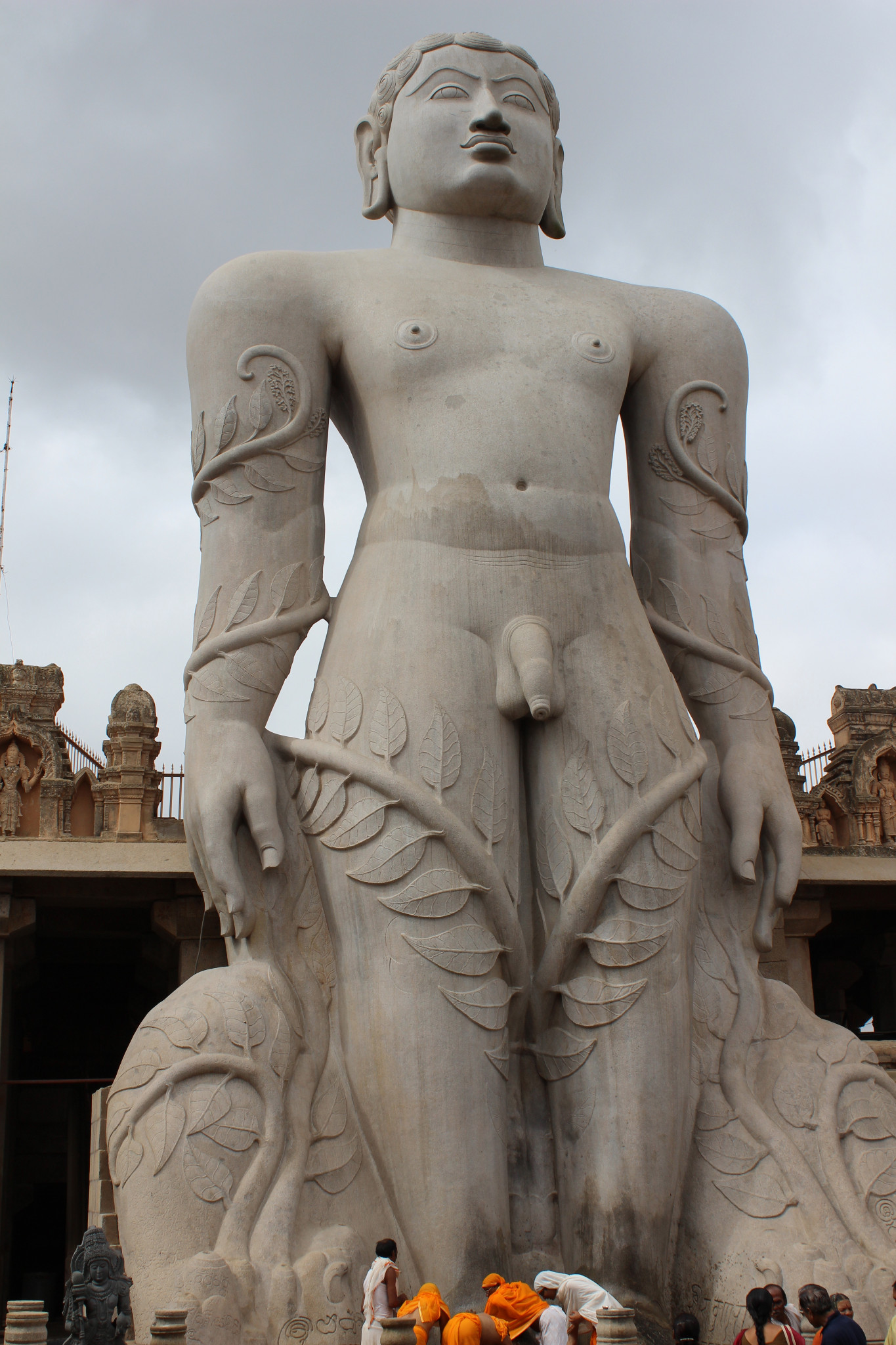
Śravaṇa Beḷagoḷa (Kannada: ಶ್ರವಣಬೆಳಗೊಳ): First stop on our three-day trip out of Bangalore, India, this ancient Indian town wedged between two rocky hills, gets its name from a tranquil reservoir (literally, “white tank of the monk”). A barefoot climb up ~650 steps hewn into the granite took us to a 57 foot monolithic statue, carved from a single stone, said to be the tallest of its kind.
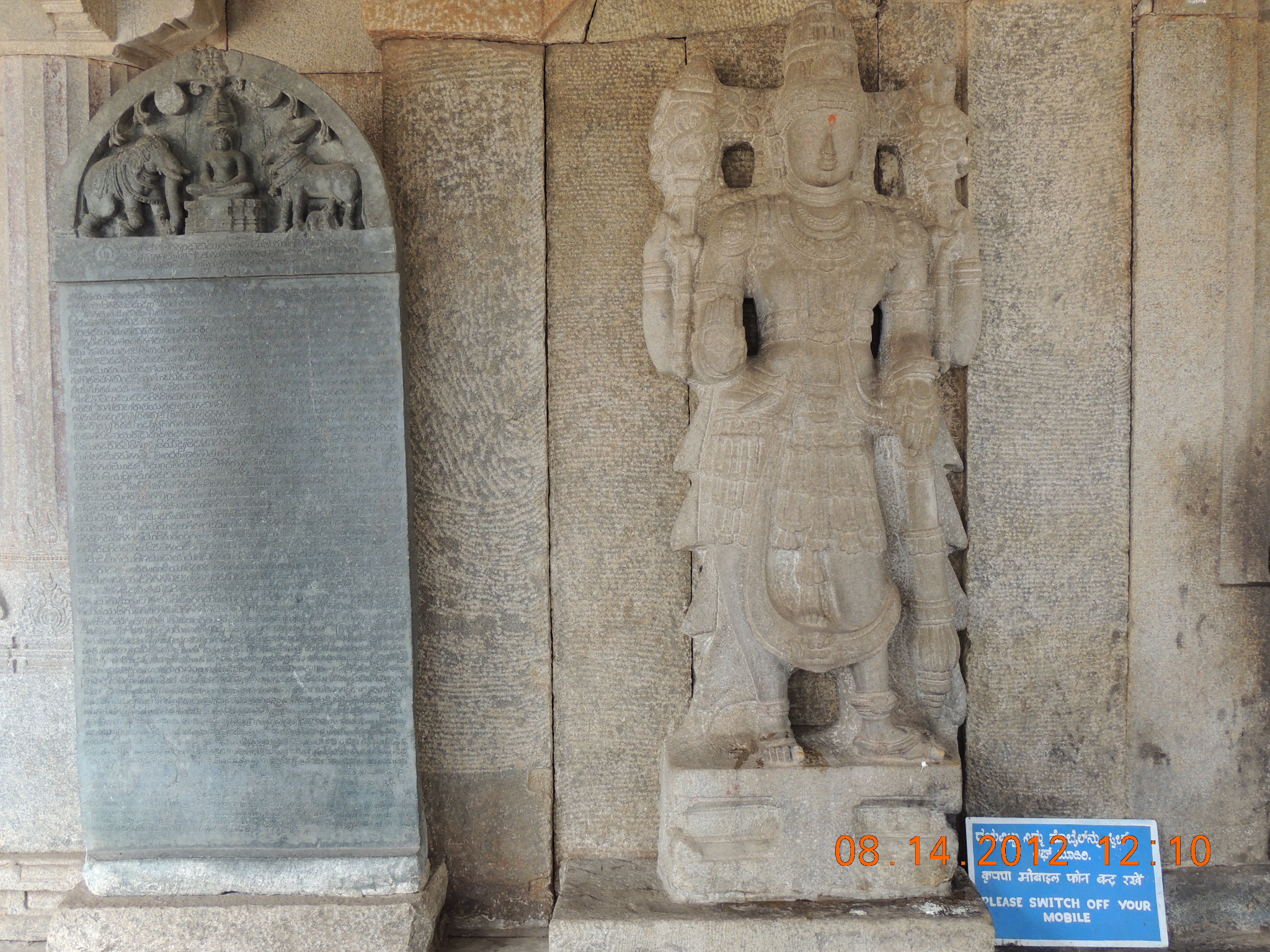
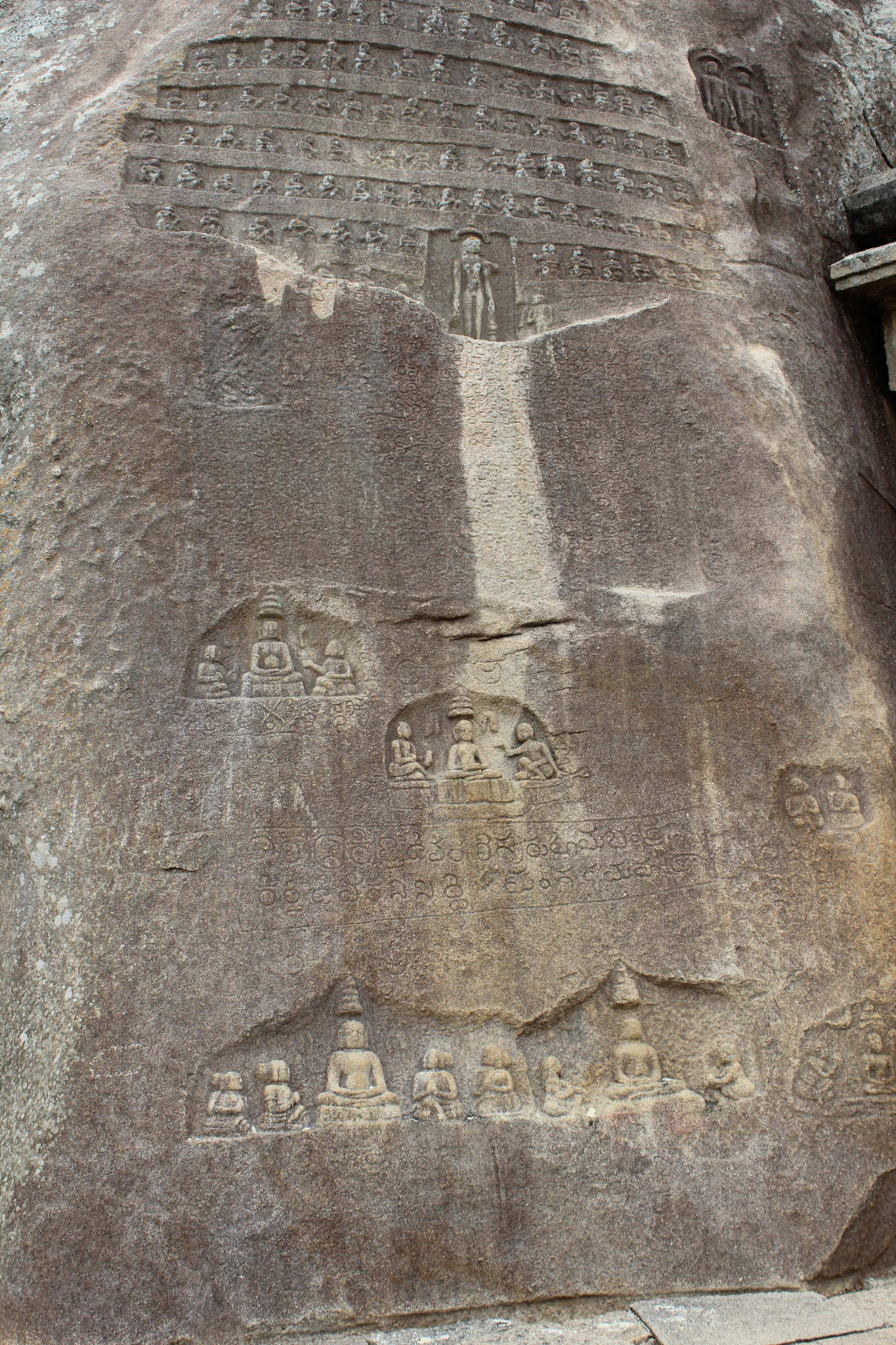
• Nearly 1,800 years old, the statue of the naked Gomateshwara (a Jain monk) is symbolic of renunciation of worldly pleasures. According to legend, the prince Bahubali threw down his weapons after a hollow victory over his brother Bharatha for the throne. Meditating in penance, anthills grew at his feet and vines coiled around his limbs, as seen in the statue. Inscriptions dating back prior to 10th century AD include texts in Kannada, Sanskrit, Tamil, Marathi, Marwari and Mahajani languages. They describe the rise of dynasties of Gangas, Rashtrakutas, Hoysalas and other empires. More on the beautiful carvings of the Hoysala dynasty in my next post.
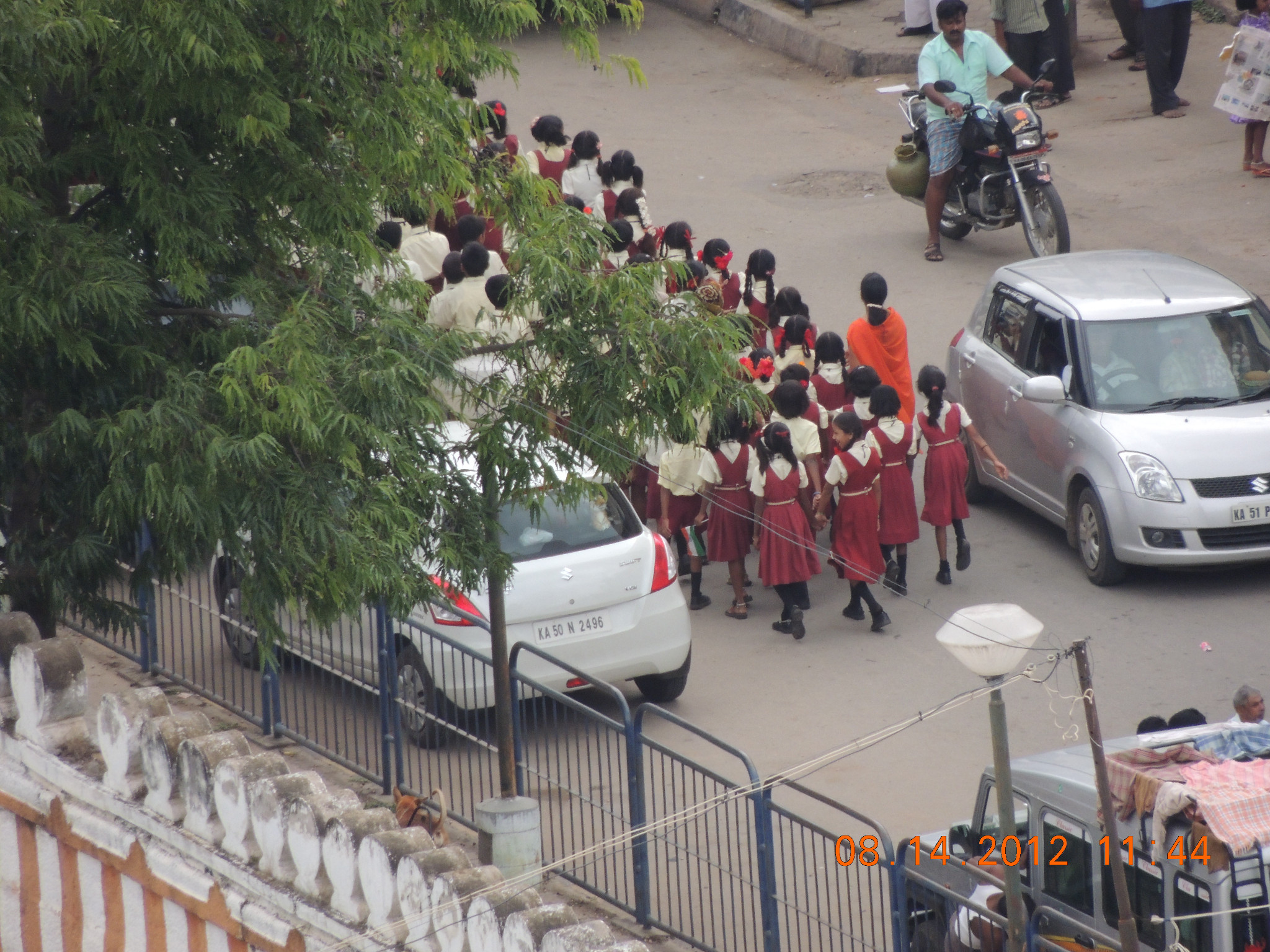
• From the hilltop, where a cool breeze rewarded our exertions, we watched school children march in a straggly Independence Day parade with their youthful voices singing the national anthem. A few naked monks strolled nonchalantly past us while my 13 year old remarked that a _namaskara_ (lying prostate at the feet of elders or holy people) might be a “bit dicey” given the view.
Calling on Fanboys, Fandroids and Crackberries: lighten up!
The #boycottapple rage shows no sign of abating on G+. It’s become a bore. Do stop, pretty please.
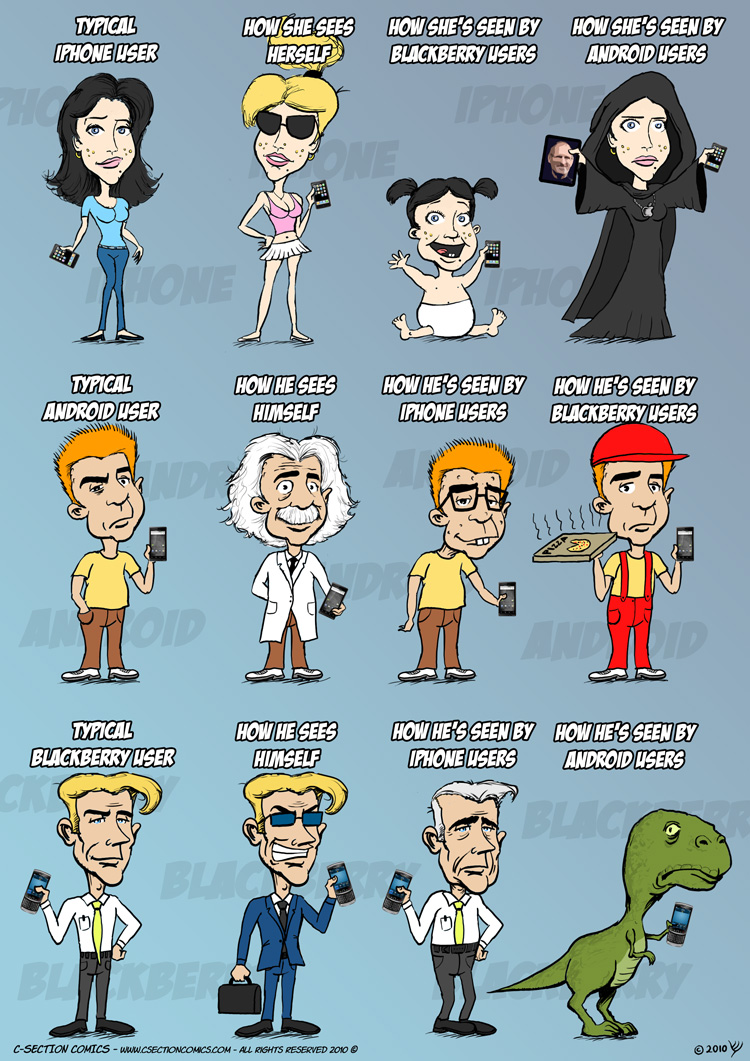
Here to amuse, is a survey by Hunch blog on the differences between iOS and Android users. I must say it’s spot on: I do prefer a good Malbec to a Shiraz 😉
Warning: Anyone taking the survey/comic seriously is in dire danger of becoming a bore (or worse, a boor).
It’s About Time: MIT scientist Ramesh Raskar takes us into the mind boggling world of femto photography in a brilliant TED talk that will have your jaw dropping! Some of you may recall the famous images of light captured traveling through a Coke bottle. Here’s the explanation, and much more.
#sciencesunday FTW
Originally shared by Simon Garnier
Not satisfied with your camera’s shutter speed? This guy has a solution for you 🙂
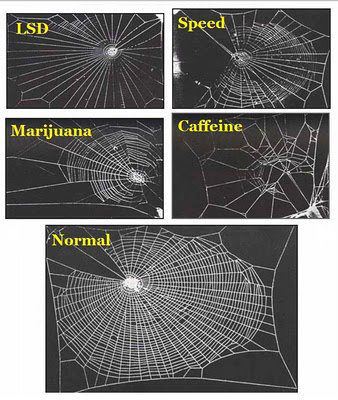
Spiders on Speed: NASA scientists inexplicably investigated web spinning by stoned spiders. Turns out that the geometrical structure of a web provides a good measure of the condition of its central nervous system.
• LSD: Webs took on a minimalist structure.
• Marijuana: Spiders made a reasonable stab at spinning webs but appeared to lose concentration about half-way through.
• Amphetamine (“speed”): Webs retained their size but showed an increase in spiral spacing and radius irregularity, as well as a decrease in building efficiency. Spiders spin their webs “with great gusto, but apparently without much planning leaving large holes”, according to New Scientist magazine.
• Caffeine: makes spiders incapable of spinning anything better than a few threads strung together at random.
• Chloral hydrate (an ingredient of sleeping pills): spiders “drop off before they even get started”.
In slightly more relevant work, spiders were shown to spin perfectly good webs in microgravity ▶ http://goo.gl/0T7lK
Extrapolation to Humans: Stunning “under the influence” self portraits of artist Bryan Lewis Saunders in Feisal Kamil’s post here ▶ http://goo.gl/3xYSy Warning: Do not try this at home!
Confession: Since I’m jet lagged and awake since midnight, I’ve been abusing caffeine. I won’t post a picture of my web.
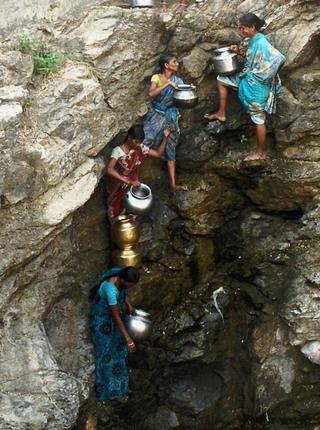
All for a Pail of Water: This touching photograph shows tribal women in India risking their lives in a human chain to reach water from an agricultural well. Did you know that 1 in 6 people on our planet lack access to clean drinking water? New research offers an elegantly simple solution: sun, lime juice and salt . No, it’s not the recipe for a margarita! 🙂
• What is SODIS? When water in a clear plastic bottle is placed in direct sunlight for 6 hours, the heat and ultraviolet light destroys most viruses, bacteria and parasites. This technique of Solar Disinfection reduces diarrhea and cholera by 70-80%, diseases that claim 4000+ childhood deaths per day in Africa. Researchers at Johns Hopkins University recently showed that adding juice from half a lime per bottle significantly reduced bacterial load and speeded up the process to just 30 minutes, comparable to boiling or other methods of disinfection. Lime juice contains psoralens which form covalent crosslinks between DNA strands in the presence of sunlight, a reaction that prevents DNA replication in the pathogens.
• Lurking in the Murk: When the water drawn from rivers and boreholes is turbid, SODIS does not work well, since the microbes hide out under suspended particles of clay and silt. A study showed that adding a quarter teaspoon of table salt to the water neutralized charges on colloidal clay so that it sedimented out easily. Seeding the water with a little clay (of the type known as bentonite) actually hastens the clarification!
#scienceeveryday FTW! Simple solutions for #Glia .
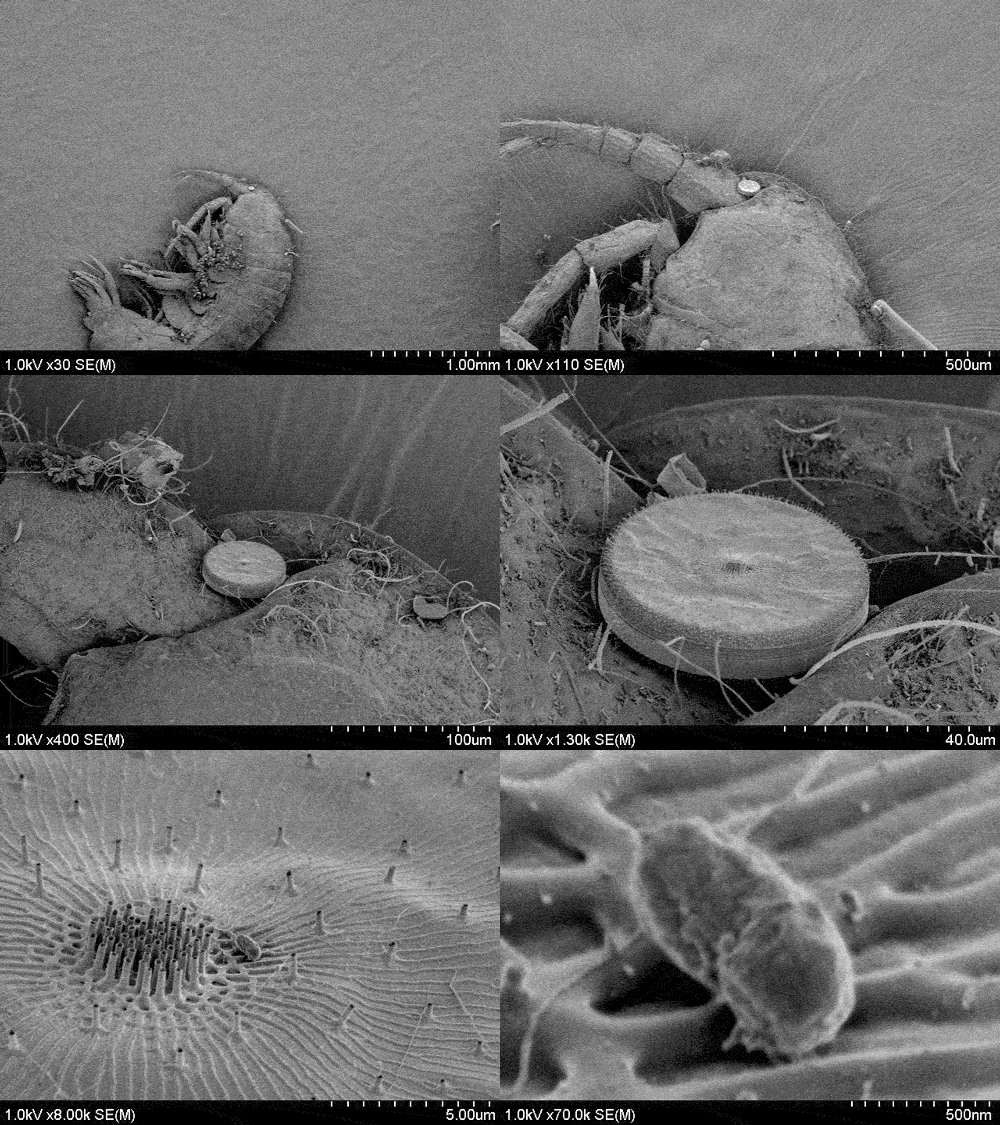
One Gif to Rule Them All: From Amphipod to Diatom to Bacterium. Captured in this amazing image is an electron microscope scan that zooms in on a tiny bacterium perched upon a diatom, lodged near the leg of an amphipod (a type of crustacean). Watch the scale at bottom right, go all the way from a millimeter, through the range of micrometers, down to 500 nanometers!
I was reminded of the verse by Jonathan Swift (1733):
“So nat’ralists observe, a flea
Hath smaller fleas that on him prey,
And these have smaller fleas that bite ’em,
And so proceed ad infinitum .”
Image Credit: “Fractal Cosmos” by James Tyrwhitt-Drake at the University of Victoria.
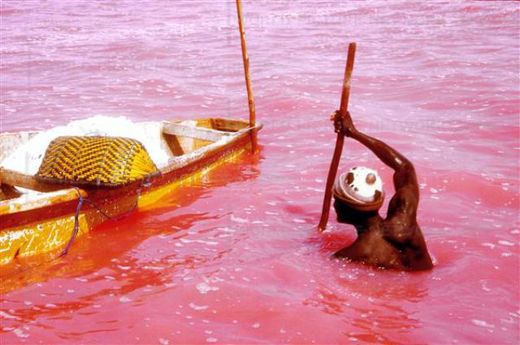
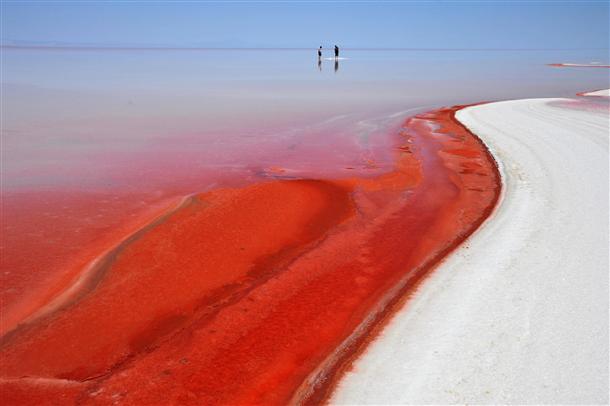
Painting the Town Lake Red: A lake in the Camargue region of France, where the Rhone meets the sea, turns blood red. Lake Retba in the western African nation of Senegal looks like strawberry milkshake. No, it’s not the apocalypse, it’s party time for the marine alga Dunaliella salinas. This single celled microscopic member of Chlorophyta thrives in extremely salty water where not much else survives. Because it has no cell wall, it produces glycerol to retain water against extreme osmotic stress.
Pretty in Pink! This micro alga stocks up massive amounts of the red pigment beta-carotene (10% of its dry weight), which acts as a sunscreen, protecting it from intense light. As the richest natural source of carotenoids, Dunaliella is cultivated commercially, and sold as a “superfood”, for its antioxidant properties.
A Tolerant Extremophile? Dunaliella grows under extremes of pH, ranging from pH 1 (D. acidophila) to pH 11 (D. salina). In fact, D. salina is one of the most environmentally tolerant eukaryotic organisms known and can cope with a salinity range from seawater (= 3% NaCl) to NaCl saturation (= 31% NaCl), and a temperature range from 38 °C.
#sciencesunday , ScienceSunday curated by Allison Sekuler , Chad Haney , Robby Bowles and guest curator Buddhini Samarasinghe while I’m painting the town red on my vacation.











 madame scientist's not-so-mad musings