Mine! Mine! Mine! Fantastic little clip of seagull thievery against a San Francisco sunset. Good enough to be a GoPro campaign?
Originally shared by Marian Wirth
AWESOME … on so many levels!!!
Mine! Mine! Mine! Fantastic little clip of seagull thievery against a San Francisco sunset. Good enough to be a GoPro campaign?
Originally shared by Marian Wirth
AWESOME … on so many levels!!!
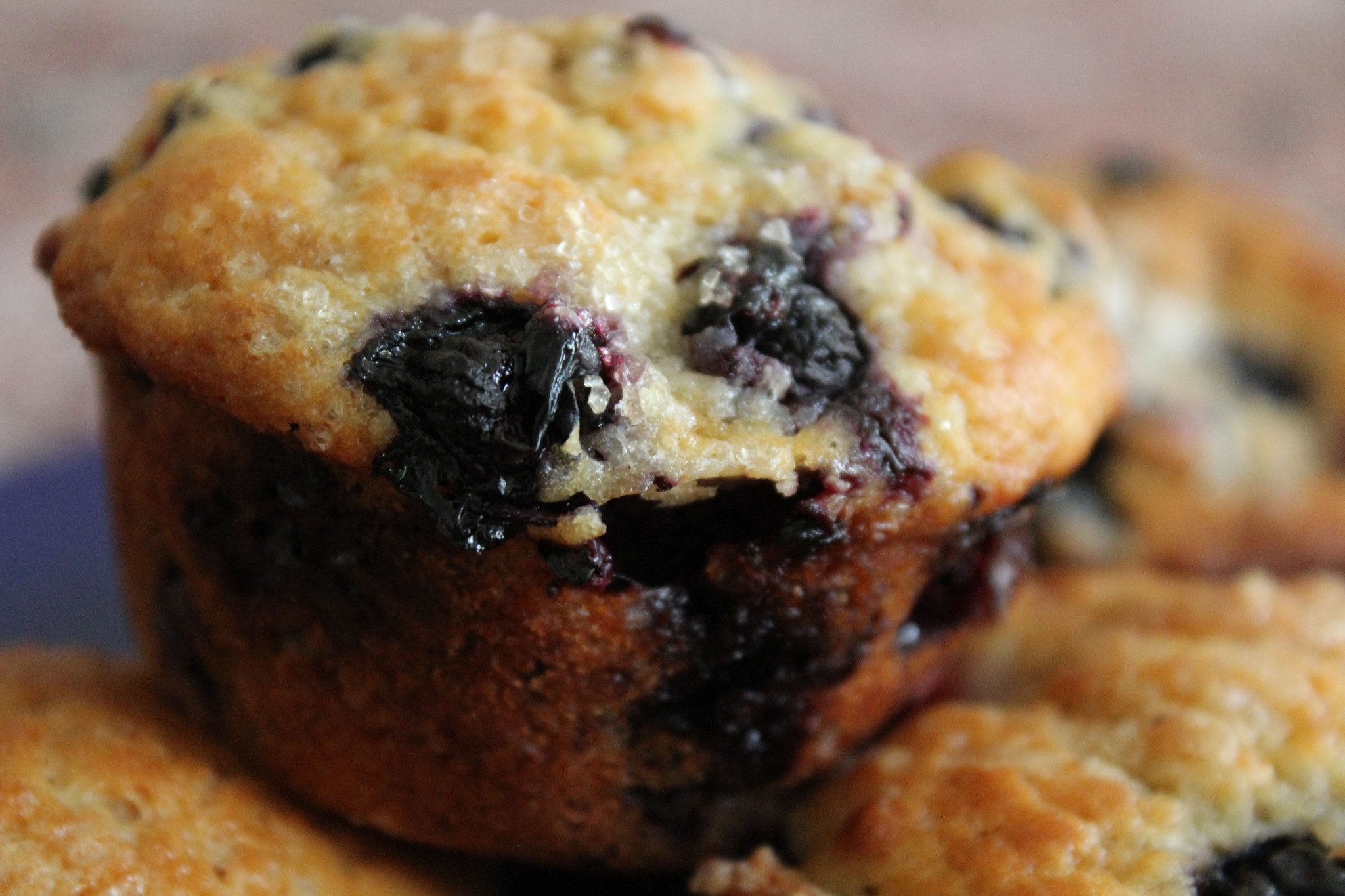
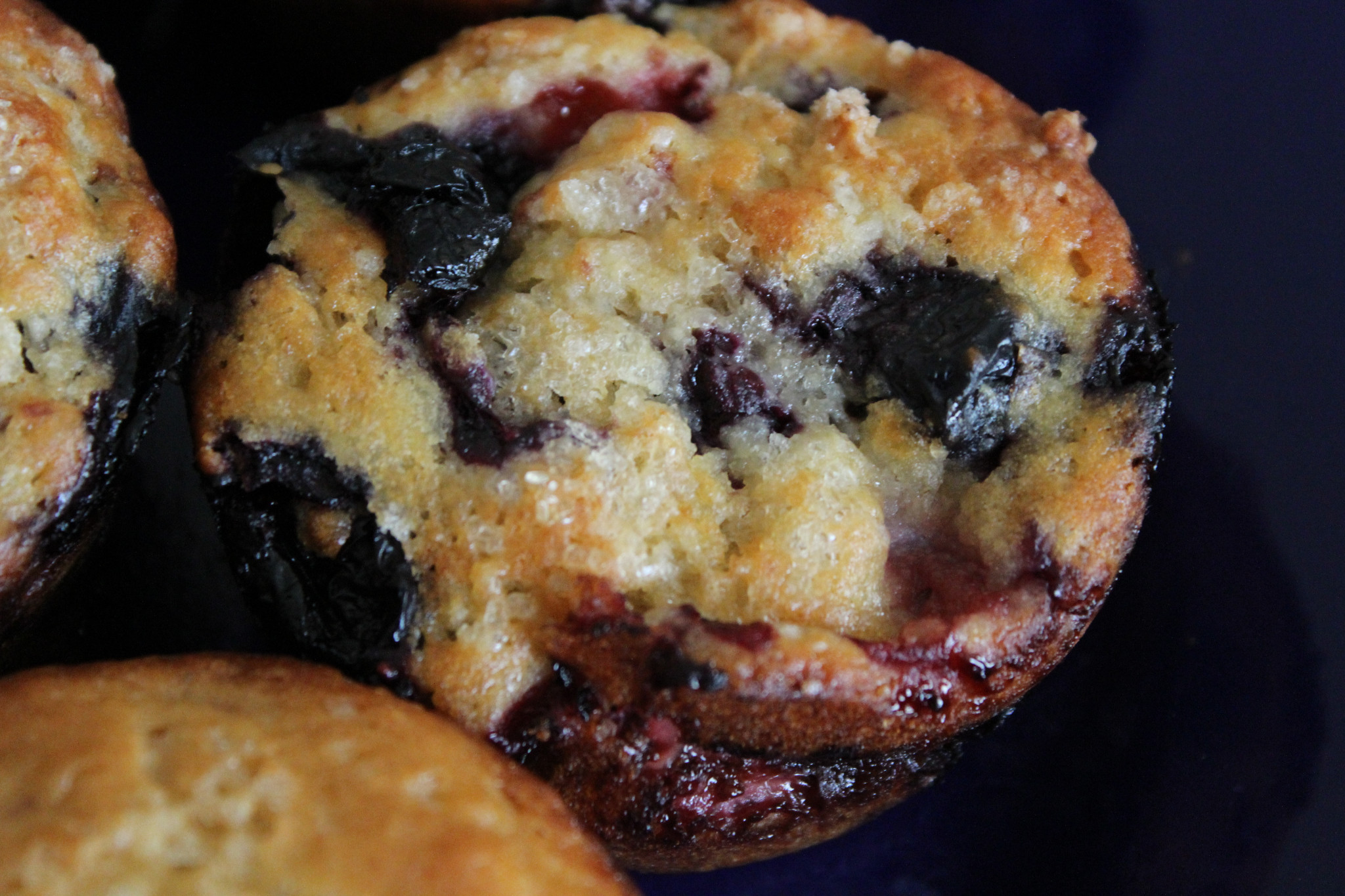
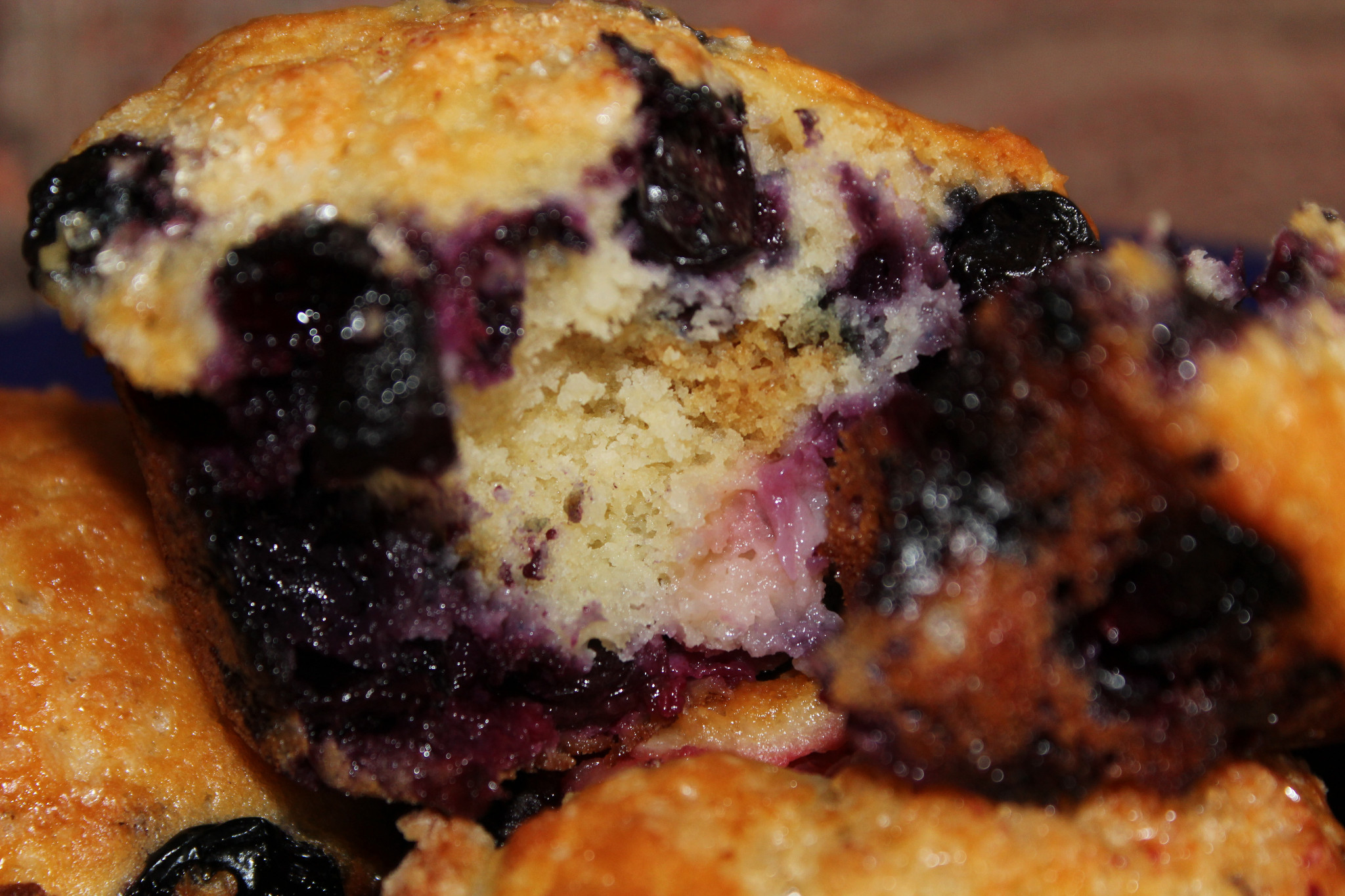
Very Berry Muffins
I baked muffins when I was supposedly working on a manuscript from home today. It was not my fault at all. Chef Dennis Littley posted a link to these Greek Yogurt laden, blueberry and strawberry stuffed morsels of divine delight here ► http://goo.gl/UMaUR
• On the minus side, I ate most of them.
• On the plus side, I was so overcome with guilt that I finally finished Brandie Cross manuscript entitled, Secretory Pathway Ca2+-ATPase Isoform 2 Interacts with Orai1 to Mediate Store-Independent Ca2+ Entry in Lactation .
I highly recommend you try it (the recipe, not the manuscript). The muffins were super light, sweet and tangy. Next time, I won’t browse G+ when I’m supposed to be working.
Here’s my earlier lemon blueberry recipe using a lemon zest topping lightened with Nancy Sinatra’s croons: https://madamescientist.wordpress.com/2011/11/27/blueberries-lemons-and-a-mother-kissing-spring/
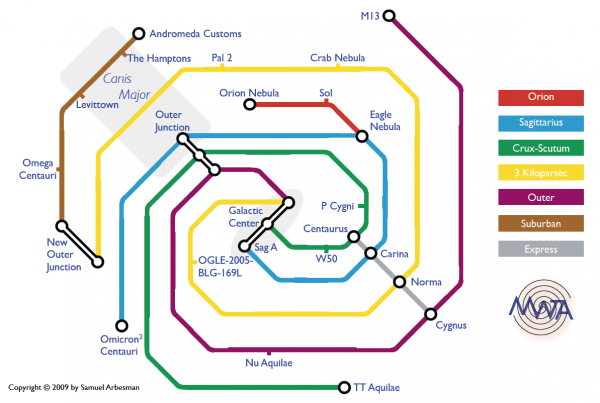
Interstellar Overdrive: Take the Milky Way Transit Authority.
Samuel Arbesman, a postdoctoral fellow in computational sociology at Harvard, made this simplified map of the Milky Way. Just take the Tube.
He says, “People ask why I haven’t marked ‘You Are Here’ on the map – but I think it’s more humbling to realize that we aren’t the center of the universe.” http://arbesman.net/milkyway/
Pink Floyd With Syd Barrett – Interstellar Overdrive-Part 1
#scienceeveryday Samuel Arbesman
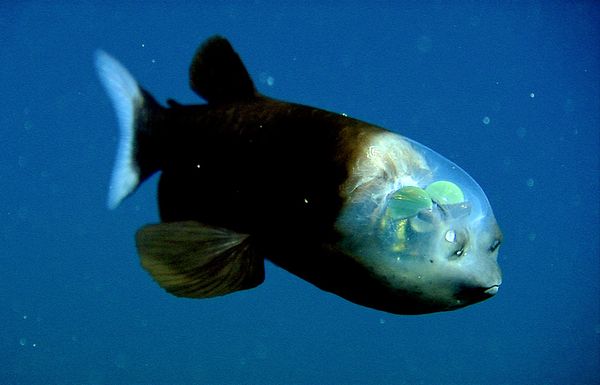
Fish With Transparent Head Filmed
This barrel eye fish is not going to win any beauty prizes. But it surely deserves admiration for its enormous telescoping eyes, housed in a transparent head that functions as a muscle-driven lens to scavenge what little light penetrates the inky ocean depths. The huge green lenses points to a retina with exceptional density of rod cells, packed with the light harvesting protein rhodopsin. Cone cells, that see color, are absent. Those two tiny openings on either side of its mouth? They are nostrils .
The fish spends most of its time motionless, eyes directed upwards to catch the shadow of prey emitting faint bioluminescence.
#scienceeveryday when it’s not ScienceSunday .
Bustin’ Stereotypes: The Science Cheerleaders are current and former professional NBA and NFL cheerleaders who are also scientists and engineers.
http://www.sciencecheerleader.com
#scienceeveryday #football #nba #nfl2012
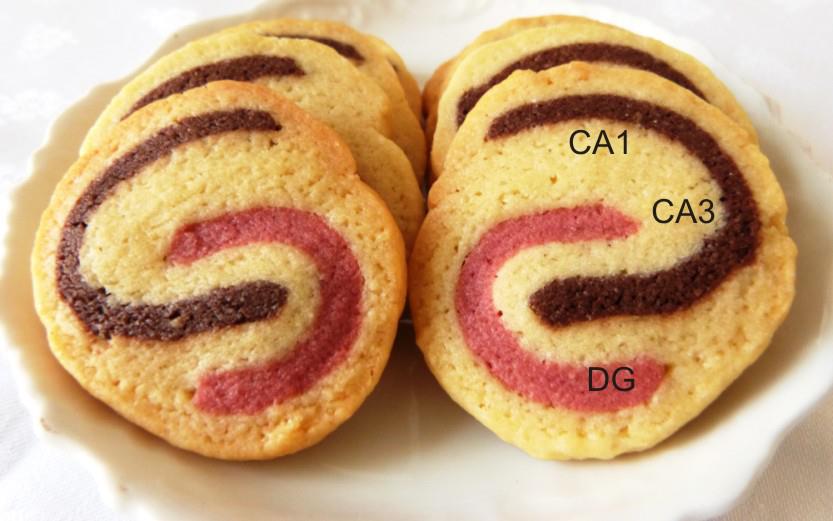
Sweet Memories: Do you recall what you had for dessert at your last dinner party? I’m sure you would remember the hippocampus cookies (left image)! The hippocampus (right image) is the part of our brain responsible for episodic memory, the kind associated with a great dinner surrounded by family or friends. It enables you to “play back” the memories, until eventually the memory becomes ingrained in the cortex.
• The hippocampus is also important for spatial memory: in one study, British researchers asked taxi drivers to imagine their routes through London while their brain activity was scanned by positron emission tomography (PET scan). This task specifically activated the right lobe of the hippocampus. There are other types of memory that do not involve the hippocampus: semantic memory, for general knowledge (frontal and temporal cortex), emotional memory such as fear (amygdala), and procedural memory, such as knowing how to ride a bike (cerebellum, motor cortex).
• In Alzheimer’s disease, the hippocampus is the first, and most severely, affected part of the brain. That’s why new memories are the first to go: Where did I put the car keys? Why is there no mail today (because you just brought it in).
• The distinct curves of the hippocampus region of the vertebrate brain has been likened to a sea horse (genus Hippocampus) from Greek mythology, and the horns of the ram Amun, in Egyptian mythology. The latter name is the basis for four regions, designated CA1-4, after Cornu Ammonis or the horns of Amun.
Remember to tag your posts #scienceeveryday when it’s not ScienceSunday 🙂

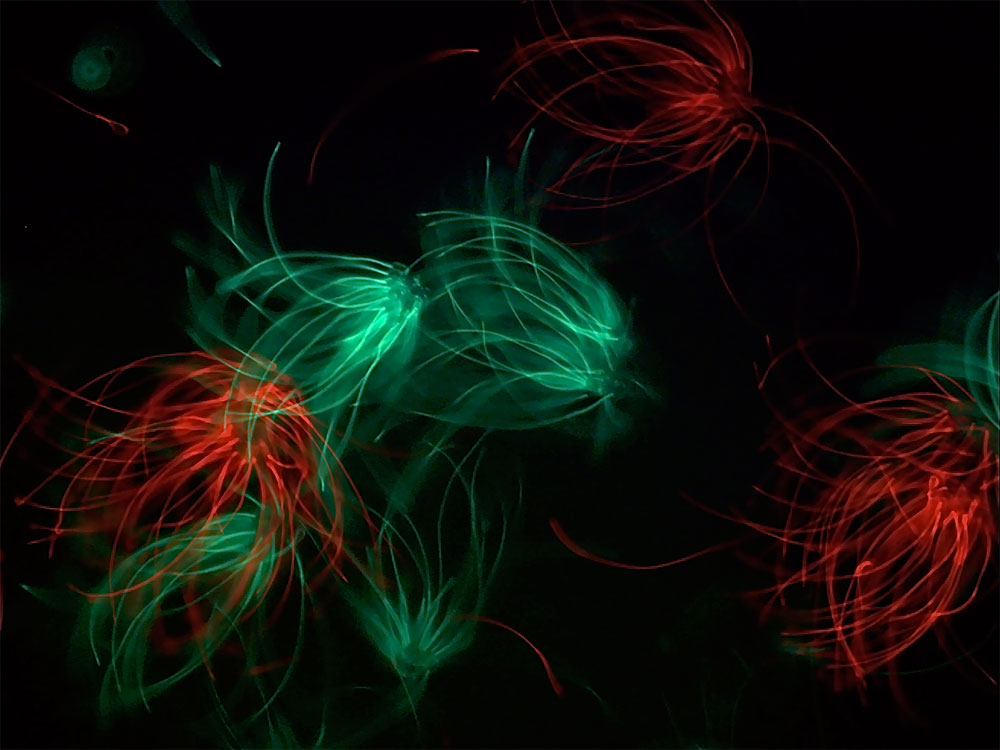
Bromance: Sperm Heads Cluster to Get Ahead. In the race towards fertilization, speed matters. And you thought it was size? Researchers found that sperm of many mammals, including the deer mouse Peromyscus, come supplied with hooks so they can literally put their heads together (see image) and swim faster (127.4 μm s−1 ± 3.8 s.e.m. versus 109.8 μm s−1 ± 3.7 s.e.m.). In rats (Rattus norvegicus) for example, ‘trains’ of up to hundreds of sperm link up and boogie together. Yet, only one sperm can fertilize the egg. There is also a hidden danger to this altruism: contact could accidentally trigger the “acrosome” reaction prematurely, and take the sperm out of running altogether. So why do sperm indulge in this risky behavior?
• Polygamy Rules: Did you know that 95% of all mammals are promiscuous? Humans (mostly!) fall in the 5% minority. It is scandalous but true that the female mouse P. maniculatus will mate with successive males as quickly as one minute apart. Scientists reasoned that sperm clustering within a species or within individual males could give a selective evolutionary advantage. They tested this by labeling sperm from different sources red or green. As seen in the image, kinship prevails: so, sperm of a feather flock together. This distinction was even seen between sperm from siblings! Boringly, human sperm do not cluster.
• It’s in your jeans genes: Given that social amoebae like Dictyostelium can aggregate, scientists believe that simple genetics underlie this interesting behavior. New research shows that genetic differences in the immune system distinguish promiscuous species of mice from closely related monogamous species. Other social behavior, that make some animals loners while others to live in groups, is now being studied. Read more: http://goo.gl/kt1Tg
REF: http://www.ncbi.nlm.nih.gov/pmc/articles/PMC2824558/#SD1
Video: NPR Science: Sperm Of A Feather Flock Together
#sciencesunday ScienceSunday
Got Science? This is my favorite science circle. Add and share to fill your G+ stream with great posts like those on #sciencesunday .
Thanks to Chris Robinson and my fellow curators Erin Kane , Jon Hiller and Scott Lewis for updating and maintaining this awesome resource.
Originally shared by Science on Google+
Natural Sciences
This circle will give you exposure to Astronomy, Biology, Chemistry, Ecology, Geography, Geology, and Neuroscience.
If you have a science related degree, you are a science journalist, you are a K-12 science teacher, or you curate a science page, then add your profile/page to the database (http://goo.gl/yEg7M). Please note that you also have to circle Science on Google+: A Public Database if you would like to be considered for shared circles.
View underlying database: http://goo.gl/Yz8KR
View most recent shared circles: http://goo.gl/nO7rB
#sciencesunday #science #publiccircles #sharedcircles
Blowing in the Wind: Ever wonder how a pollinating insect clings to flower petals even in the face of a stiff wind? A close look would show their feet firmly grasped by velcro like surface of conical cells (left image). Since the cells are about the same size as the tiny claws on bees’ feet, the claws slide in between the cones for a tight grip. This special doormat is only found in flower petals and nowhere else on the plant.
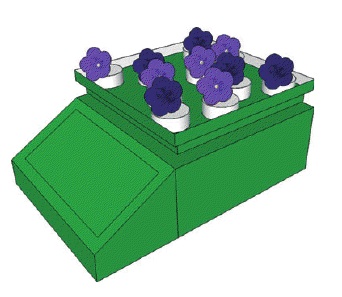
• University of Cambridge scientist Beverly Glover offered bees Petunias either with conical cells on their petals, or a mutant flat variety. At first, the bees showed only a slight preference for the flowers with conical cells. But when she simulated a wind by placing the flowers on a laboratory shaker (nicely covered in green tissue paper, right image), the bees clearly preferred the conical cells. Even if they had a choice of preferred color (they like the lighter Petunias better), they chose the grippy petals. This is an extraordinarily subtle interaction between a flower and pollinator!
• Why is it that some 20% of flowers (tulips, magnolias, lilies) have smooth, flat petals? Scientists speculate this may be because they are pollinated by hummingbirds or hovering insects that have no use for the sticky landing pad.
REF: Alcorn, K., Whitney, H., & Glover, B. (2012). Flower movement increases pollinator preference for flowers with better grip Functional Ecology DOI: 10.1111/j.1365-2435.2012.02009.x
Blowin’ in the wind – Bob Dylan
#scienceeveryday


Freddie Mercury – Living on My Own Footage from Freddie’s 39th birthday party, Munich (1985).
#freddiemercury #freddieforaday #queen
H/T to Emmeline Creazil for the gif.


 madame scientist's not-so-mad musings