 ⌘ Picture a little girl, shaken awake in the pre-dawn darkness by her mother, shivering before a “head bath” with a pail of steaming hot water from the big copper water heater in the kitchen. Squeaky clean, her hair dried and braided into long mogra flower-laden plaits, she puts on some pretty gold bangles (from an ever-expanding stash of jewelry destined for her future bridal finery) and dresses in a brand new, long skirt of Kanchipuram silk , the traditional and sacred fabric of southern India. After excitedly holding a little sparkler on the balcony, she joins her family for a Diwali feast, full of sweets and special treats that last all day long, while explosions of crackers and the acrid smell of smoke fill the city air.
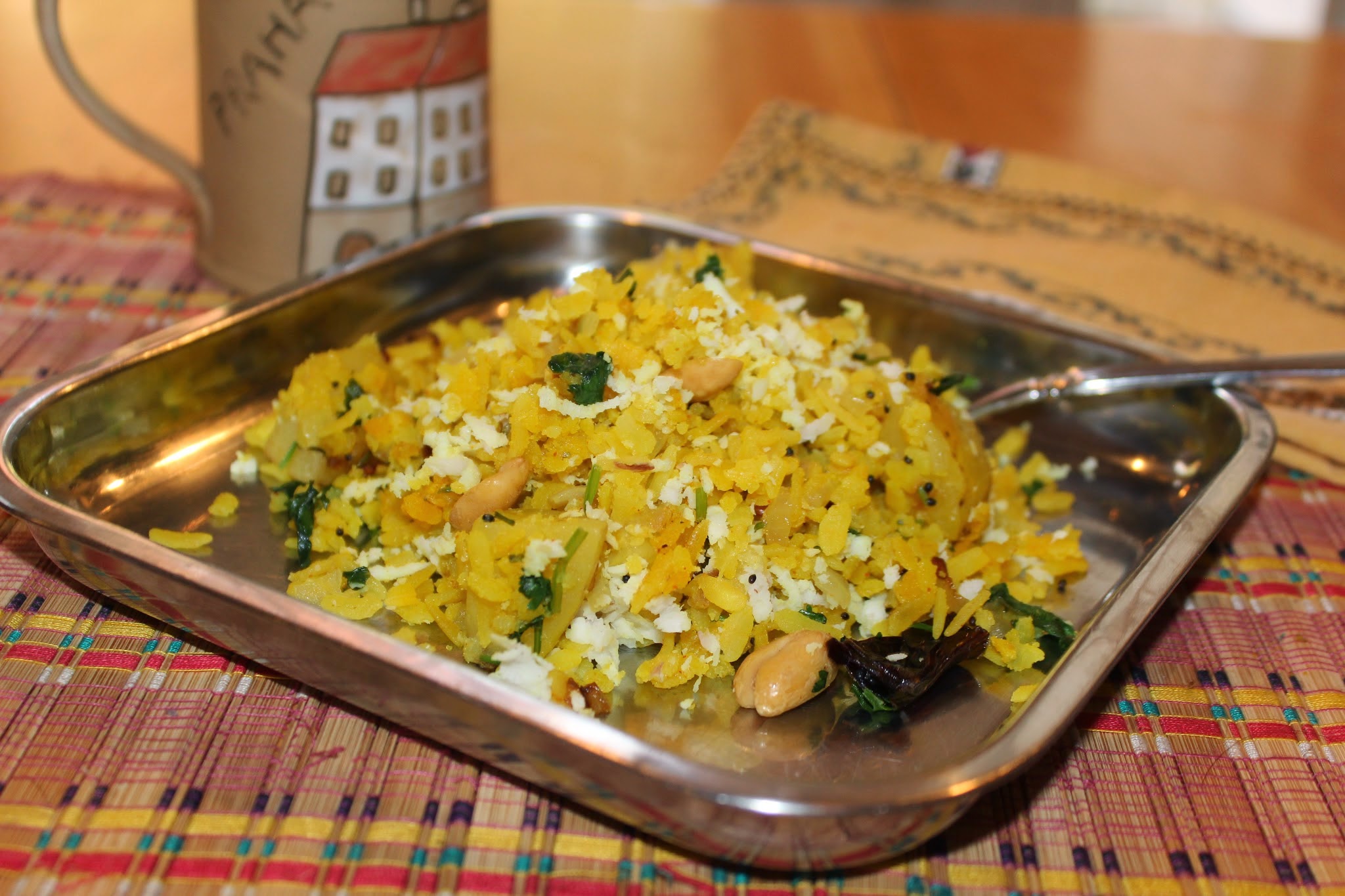
  ⌘ Fast-forward many decades later, and the little girl has given up the silks and bracelets for a disciplined life of an academic scientist, transplanted into a distant western land. It may be Diwali, but she must fly from one coast to another, evangelical in her passion, poring over 200-page reports on the plane and happily rolling polysyllabic words into hour-long lectures. But wait : just before leaving, there is time to whip together a simple family breakfast of beaten rice (“poha”) with crunchy, tangy, comforting and colorful notes. Today, the sweetness comes from dimly-recalled memories of childhood and the sparklers are in the bright eyes of the family who will welcome “madamescientist” back home 🙂 To all those who celebrate, Happy Diwali !
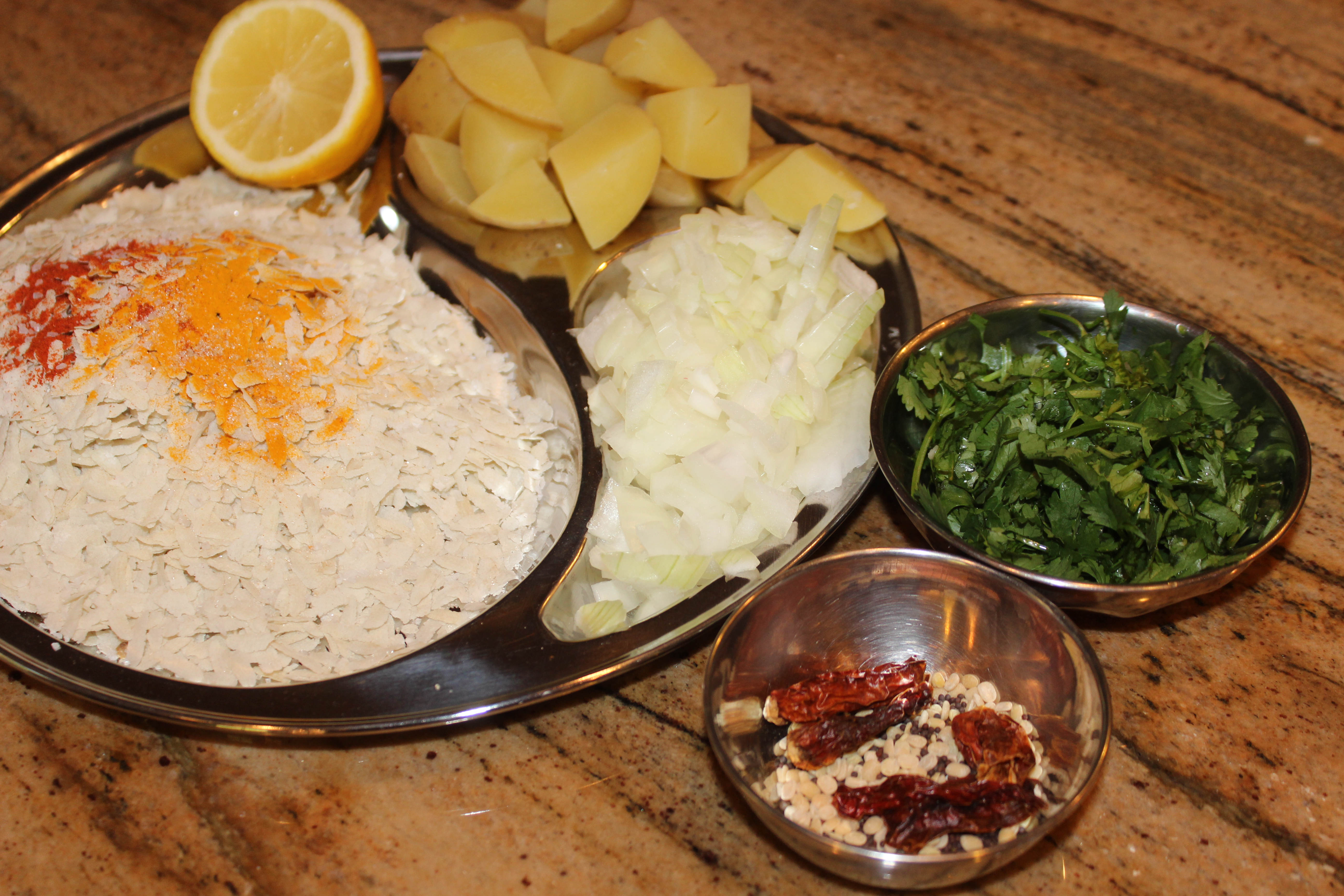
Clockwise from top: boiled, diced potatoes, chopped onion, chopped cilantro, whole spices for tempering (urad dal, dry red chilies, mustard seeds), poha with spices (turmeric, cayenne, salt and pinch of sugar), half a lemon.

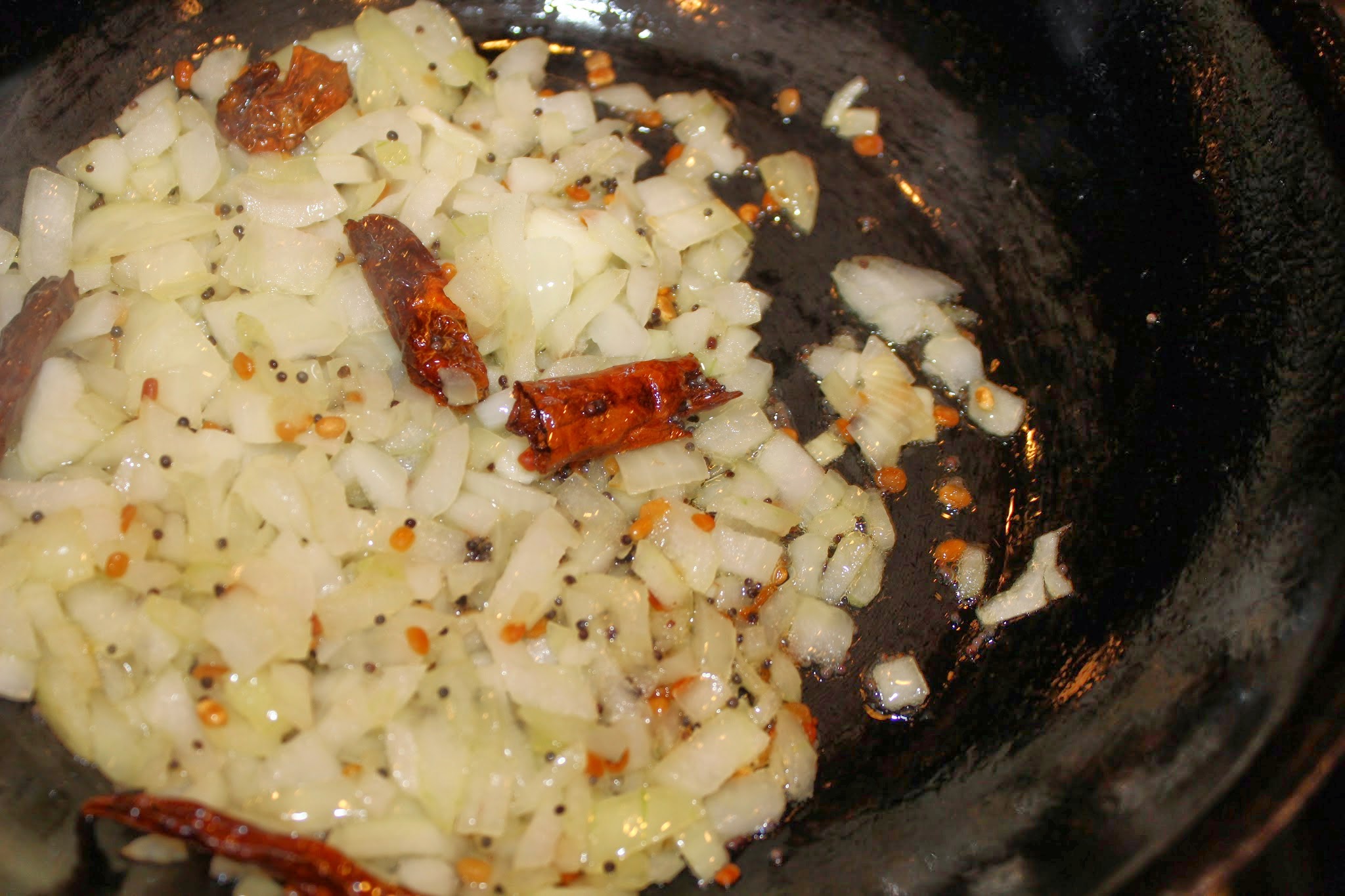
After the tiny mustard seeds pop in a tablespoon of oil and the urad dal and chilies release their flavor, add the onion and lightly saute.
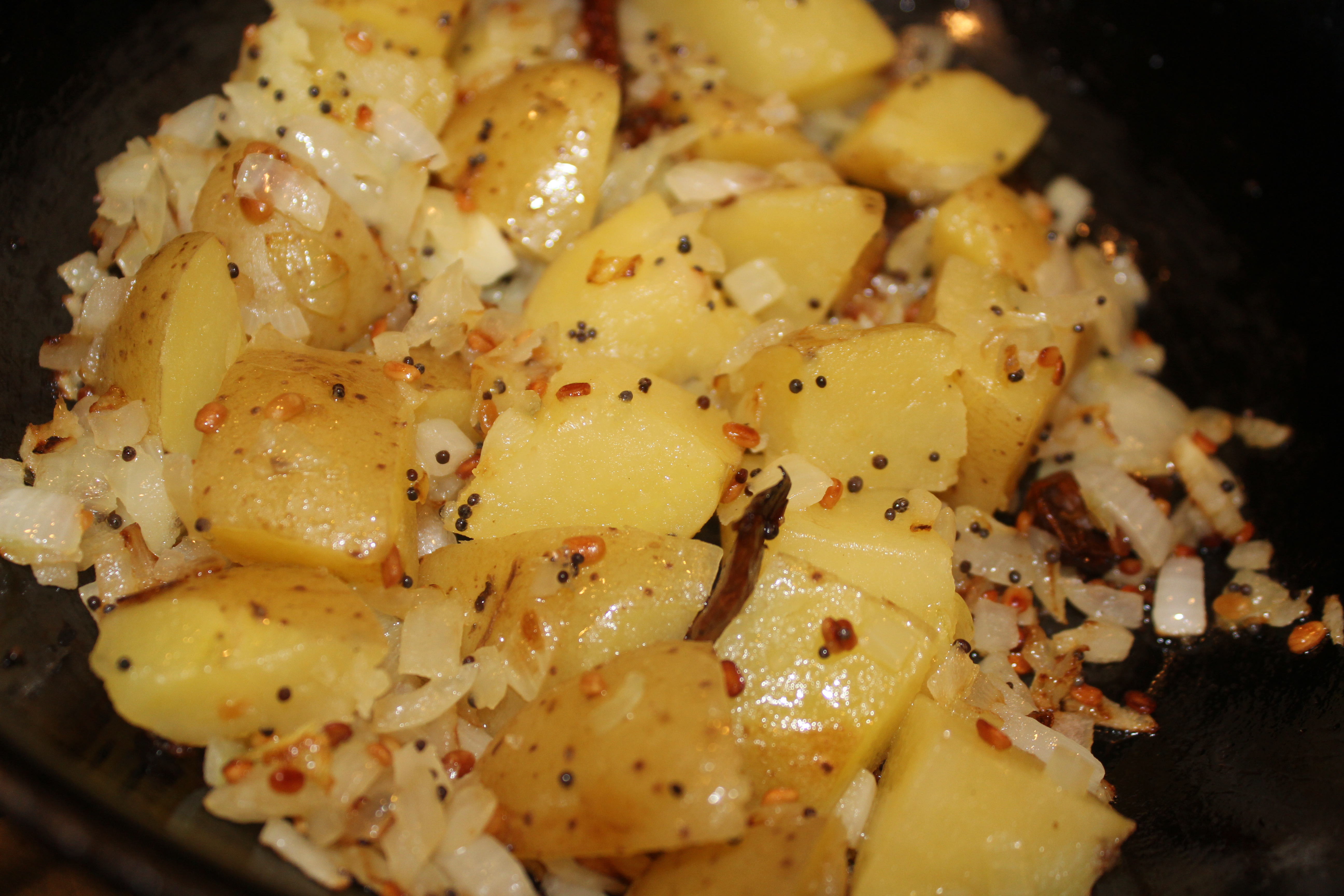
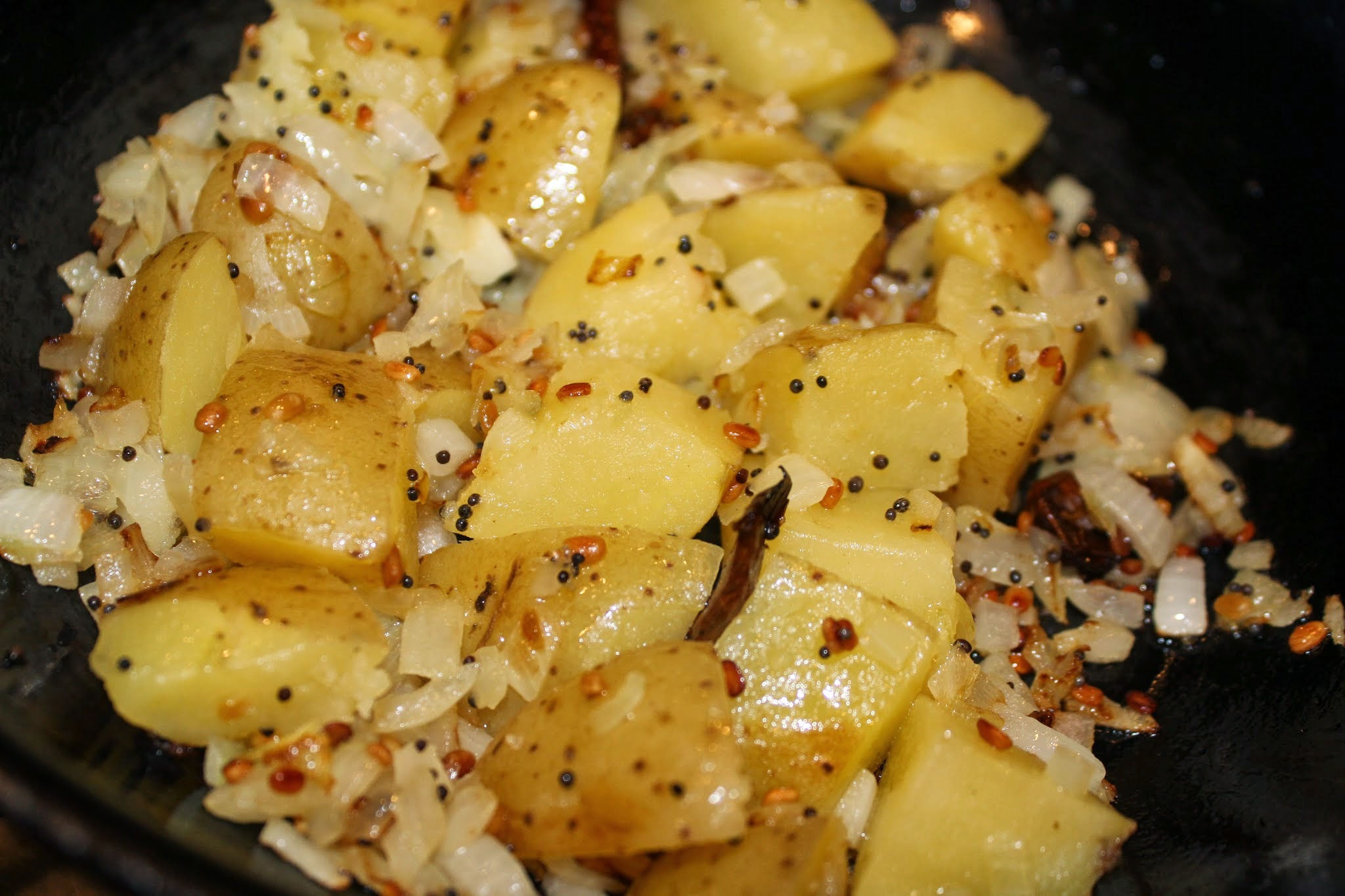
Add the cubed potatoes and let them develop a little bit of crunch.

Meanwhile, add a cup of water to 2 cups of beaten rice. The rice will rehydrate and plump up. Mix in spices and coriander leaves.

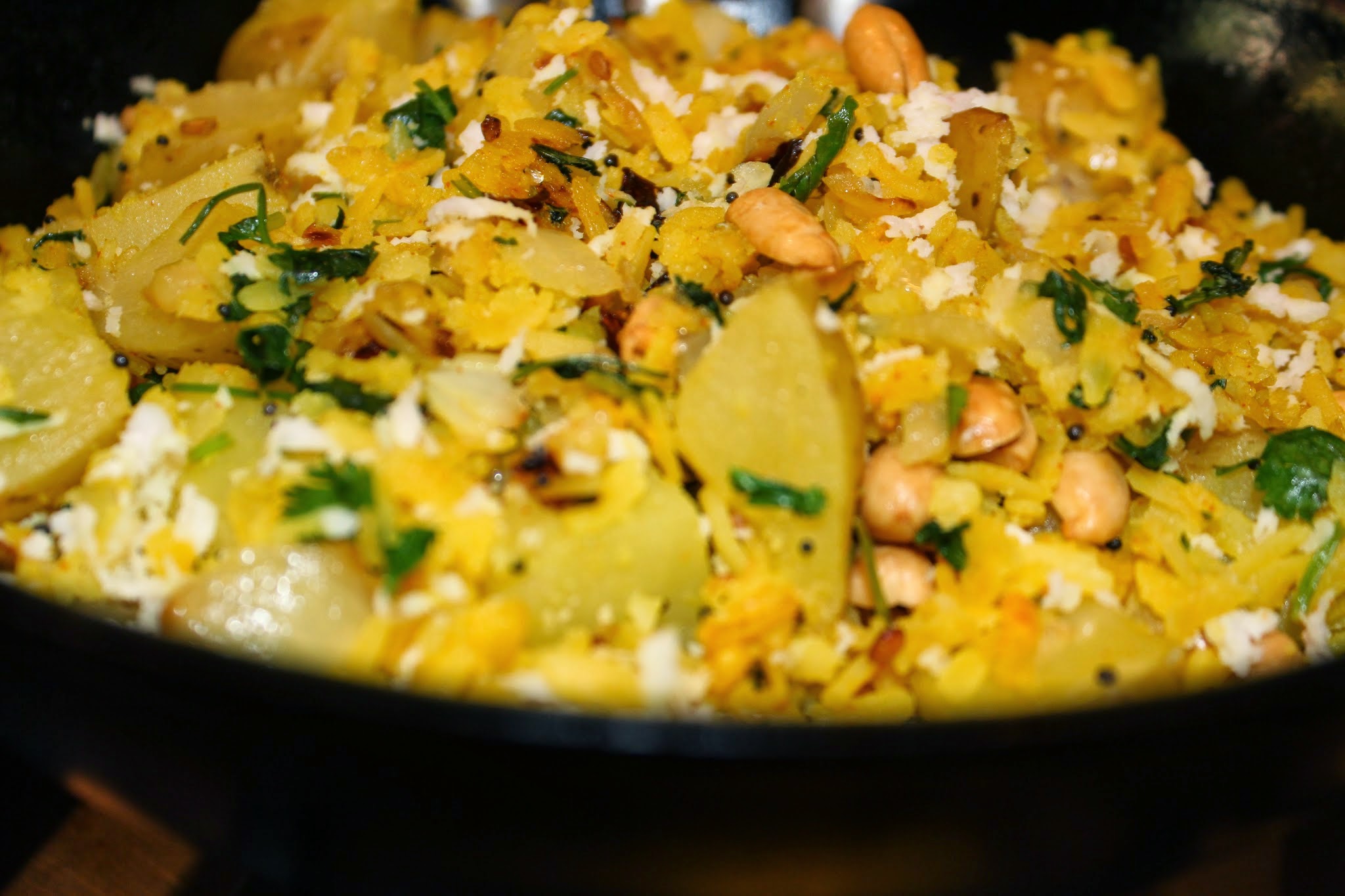
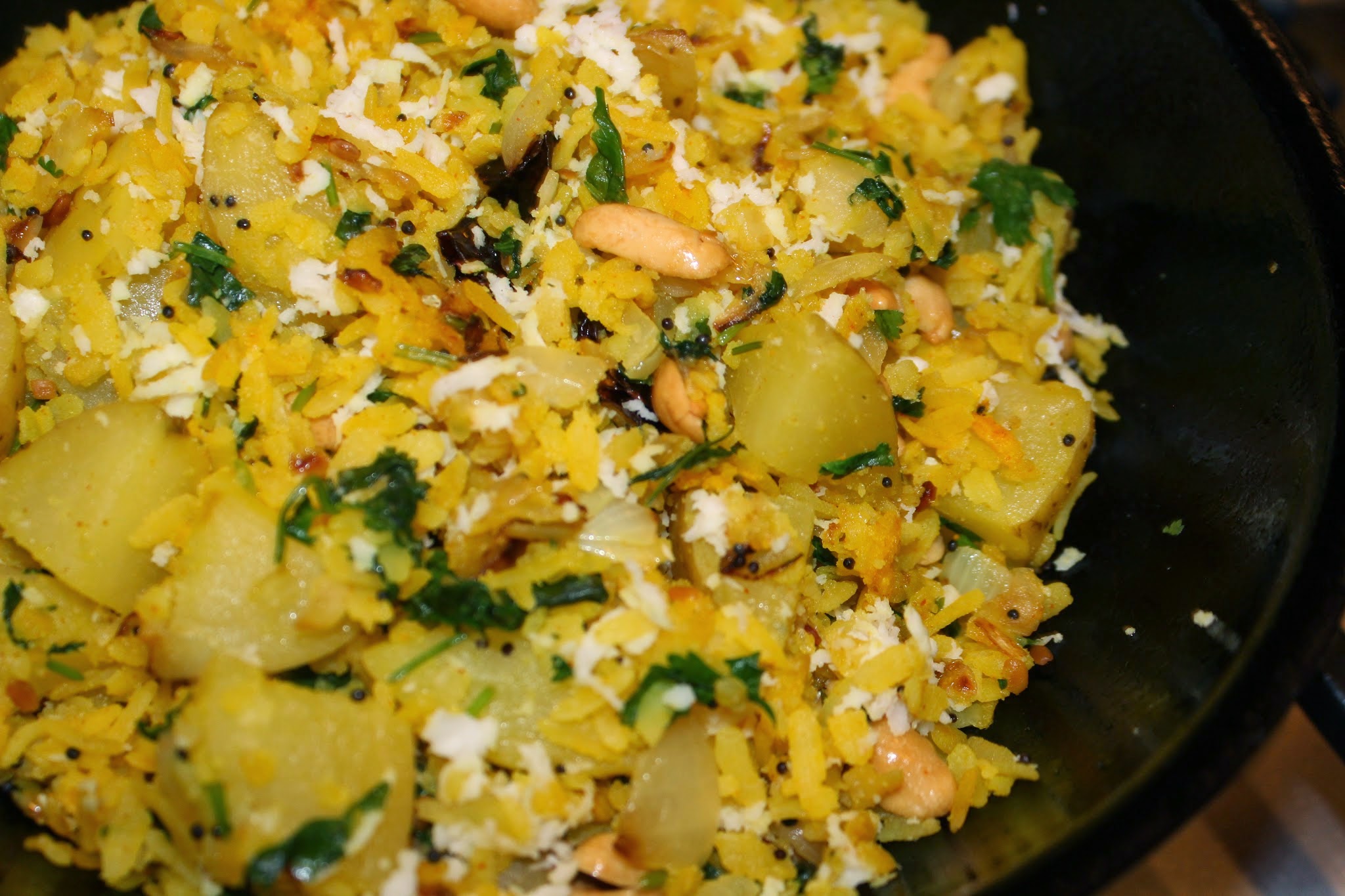
Add the poha mixture, cover and steam for a few minutes to let the flavors meld. Season with lemon juice and top off with peanuts and grated, fresh coconut.
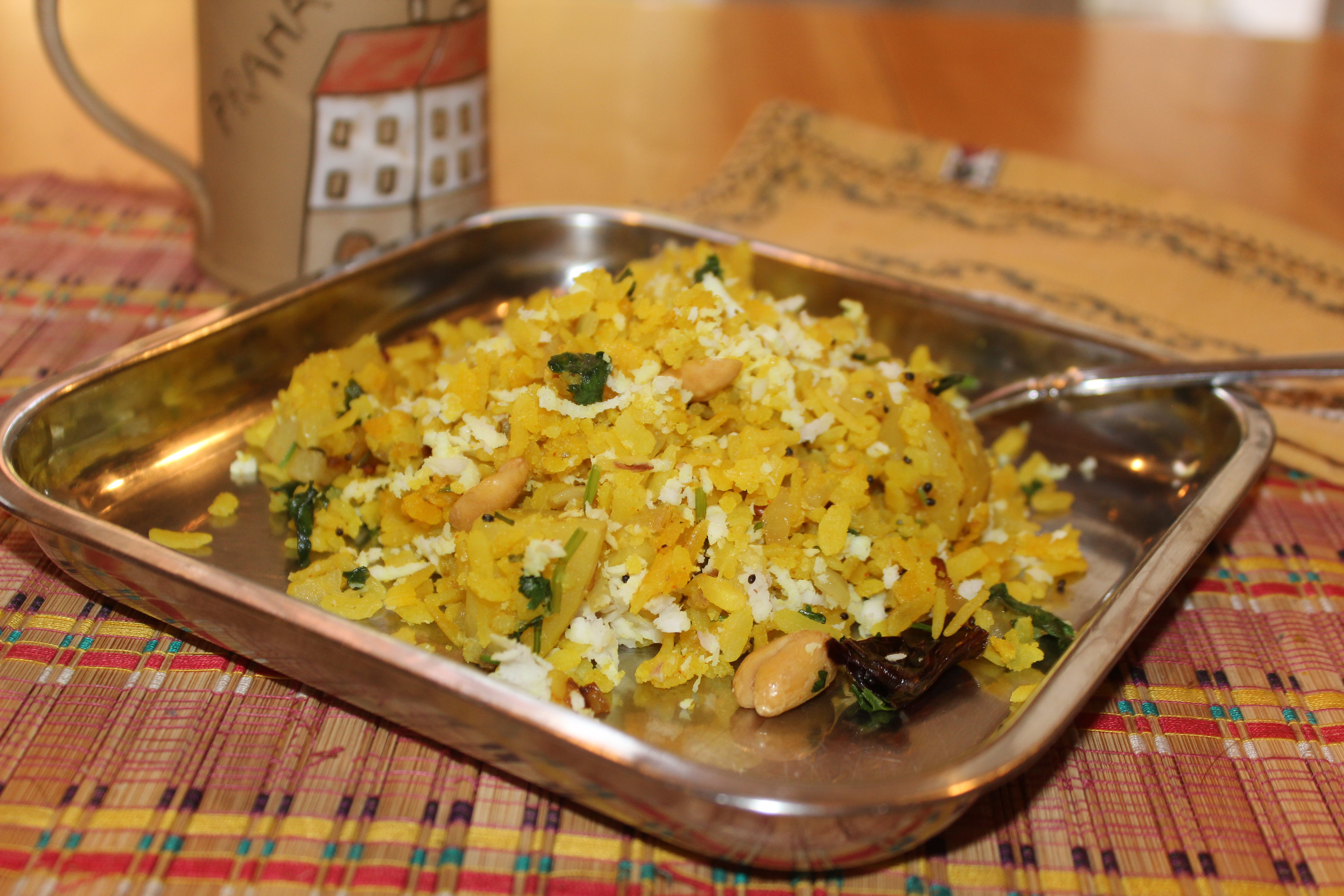
A simple breakfast, enjoyed with a hot mug of coffee.

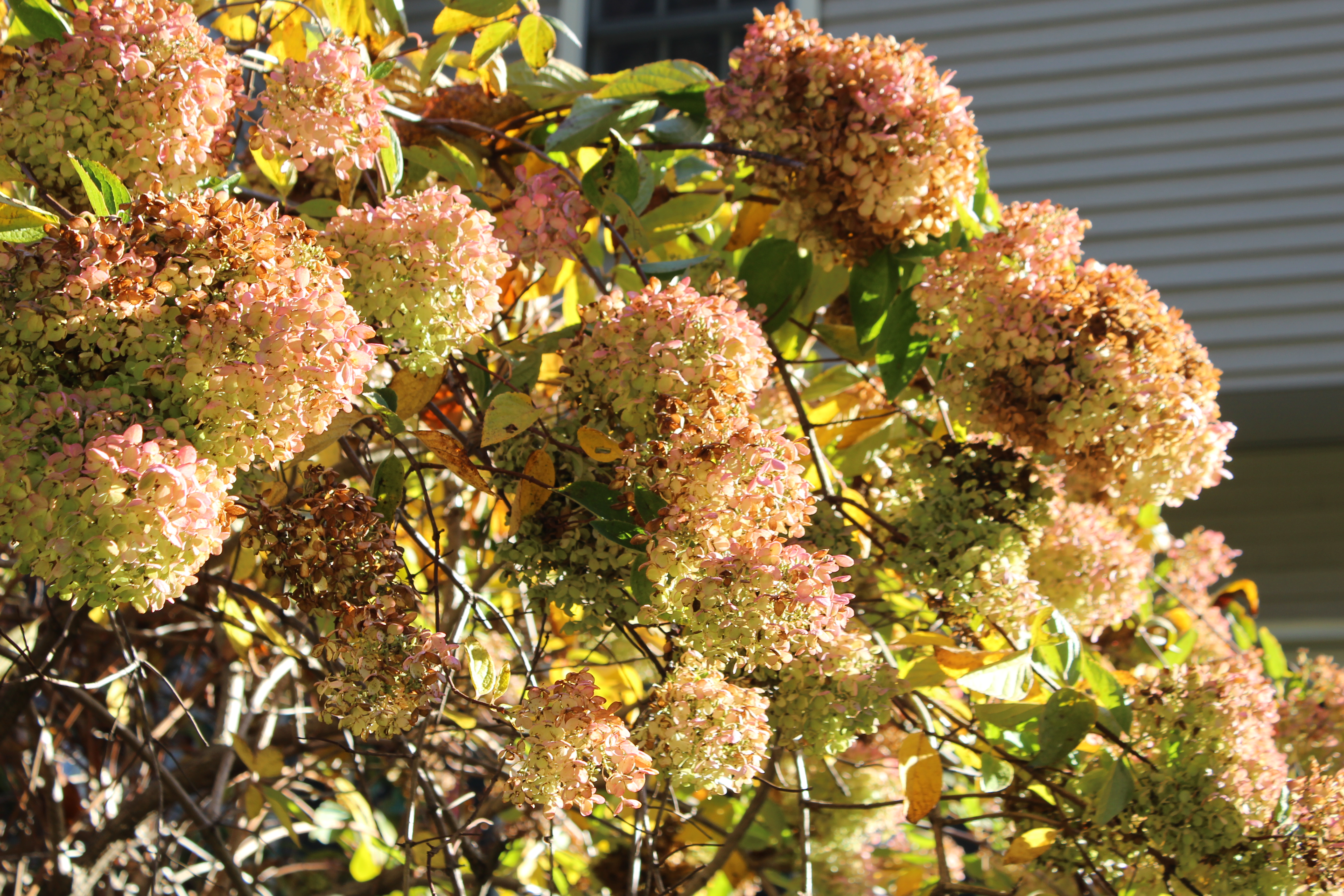
Late blooming November daisy from the garden. Enjoy the fall colors, my friends!








 madame scientist's not-so-mad musings