


Recent Comments
Feast and Famine: Fasting once or twice a week has a beneficial impact on ageing and neurodegeneration.
Congratulations to Chris Robinson on getting a science post to the top of “What’s Hot” list!
Originally shared by Chris Robinson
Scientists have known for some time that a low-calorie diet is a recipe for longer life. Rats and mice reared on restricted amounts of food increase their lifespan by up to 40%. A similar effect has been noted in humans. But Mattson and his team have taken this notion further. They argue that starving yourself occasionally can stave off not just ill-health and early death but delay the onset of conditions affecting the brain, including strokes. “Our animal experiments clearly suggest this,” said Mattson.
He and his colleagues have also worked out a specific mechanism by which the growth of neurones in the brain could be affected by reduced energy intakes. Amounts of two cellular messaging chemicals are boosted when calorie intake is sharply reduced, said Mattson. These chemical messengers play an important role in boosting the growth of neurones in the brain, a process that would counteract the impact of Alzheimer’s and Parkinson’s.
_________________________________________________
Science Circles and Helpful Google+ Links: http://goo.gl/i604C
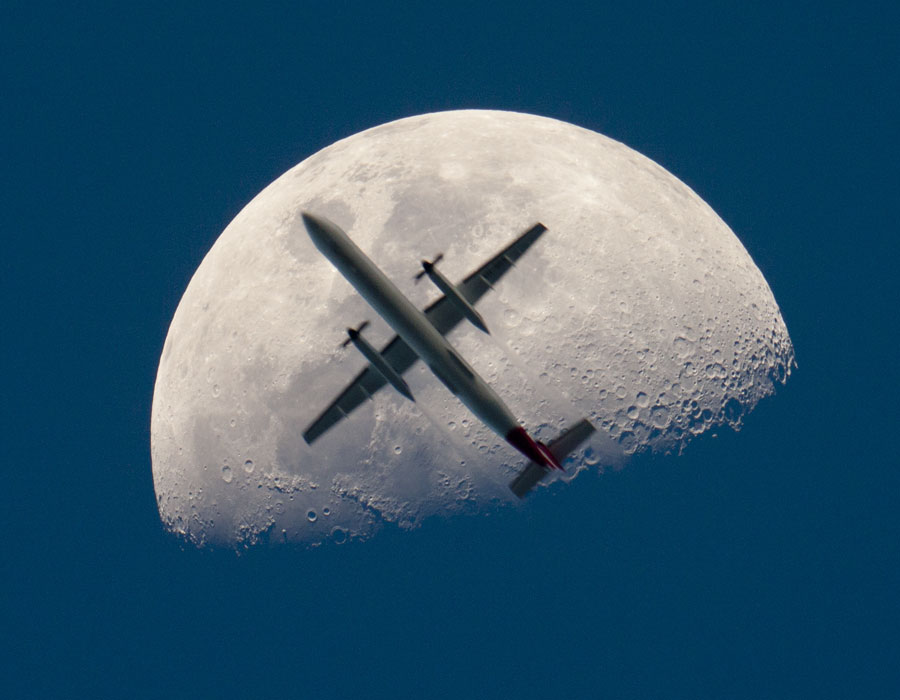
If at first you don’t succeed…..
• … try, try, try again. ~William Hickson
• ….do it like your mother told you. ~Author Unknown
• ….destroy all evidence that you tried. ~ Steven Wright
• ….then skydiving definitely isn’t for you. ~Steven Wright
• … find out if the loser gets anything. ~Bill Lyon
• ….before you try again, stop to figure out what you did wrong. ~Leo Rosten
• ….redefine success. ~Author unknown.
• ….failure may be your style.~Author unknown.
• ….try, try again. Then quit. There’s no point in being a damn fool about it. ~W. C. Fields
Source: Photographer Christopher Tomas captured this shot of a Qantas Dash 8 plane flying across the surface of the moon after many, many tries. No tricks, no Photoshop.
Originally shared by GOOD MUSIC
More Jason Yang, enjoy!
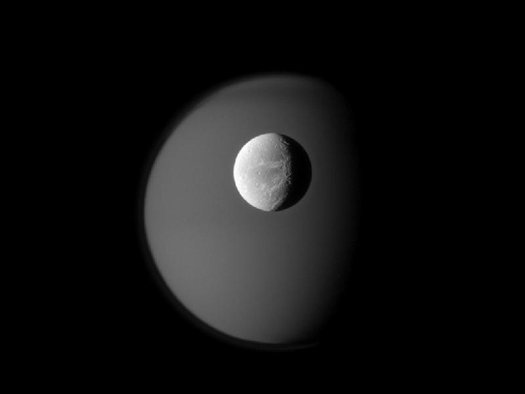
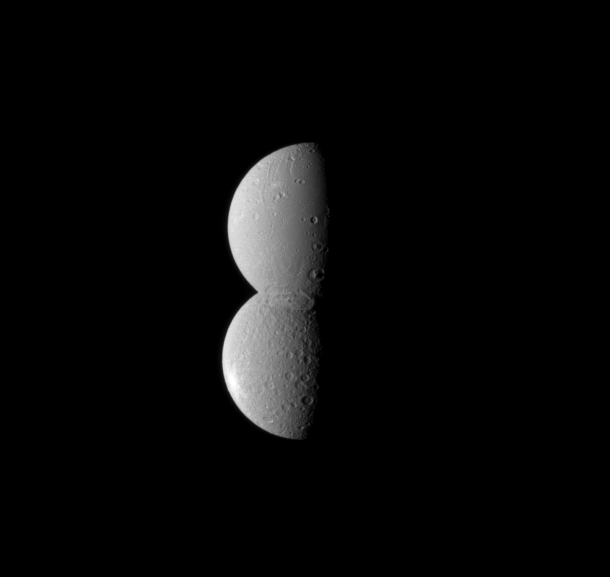
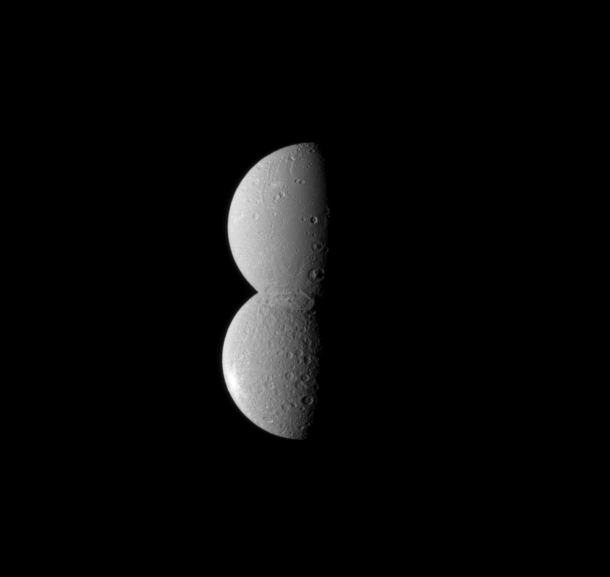
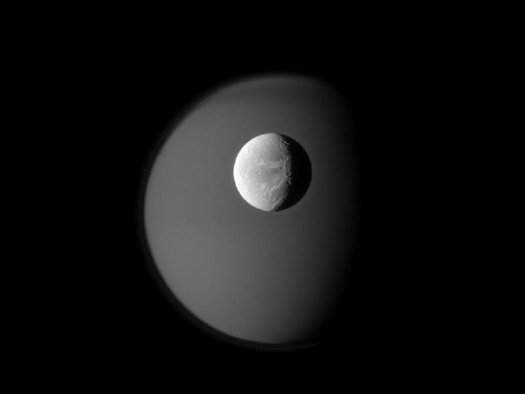
Lunar Duets: Art and Astronomy: Saturn,our most photogenic cousin in the solar family, has 62 moons. Sometimes pairs are captured in strange pas de deux or dance for two. Here they are, posing for Cassini, a probe orbiting Saturn and its moons, now in its 15th year.
Images: NASA/JPL-Caltech/Space Science Institute
The Cassini-Huygens mission is a cooperative project of NASA, the European Space Agency and the Italian Space Agency.





 madame scientist's not-so-mad musings