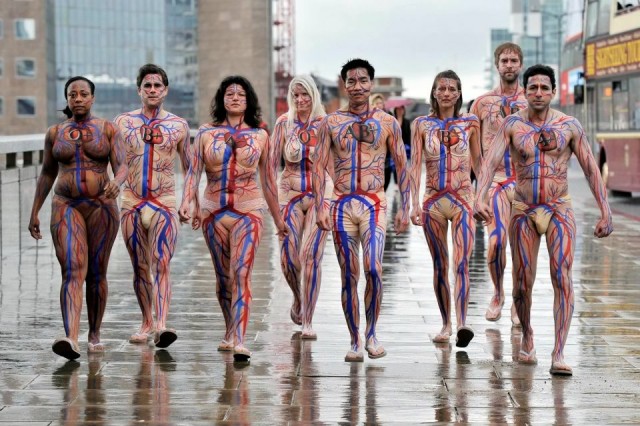
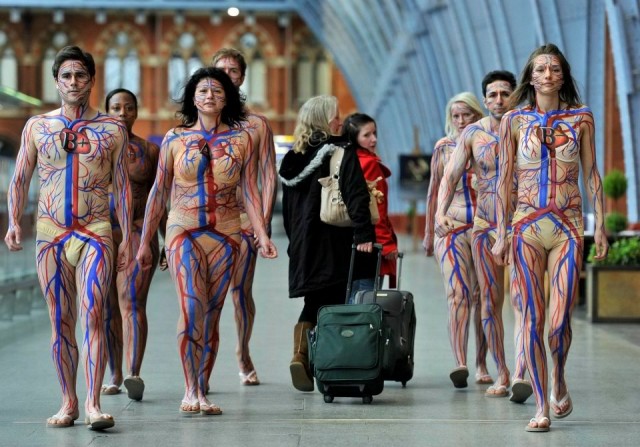
♡ Have a Heart: Give Blood ♡: 14 year old Bethany, who needs regular blood transfusions, holds hands with two donors.
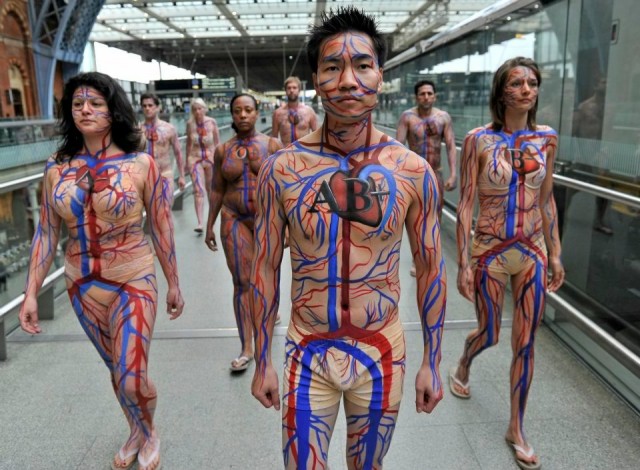
• Eight British blood donors made a striking sight (see image gallery), parading around London with Circulatory System body art to raise awareness about blood donations. The UK National Health Service is concerned about an acute blood shortage this summer, when London will host Wimbledon, the Queen’s Jubilee and the Olympic Games.
• A spokesperson said, “Every unit of blood saves or improves the life of three people.” In England, for example, only 4% of eligible people become donors. Blood is highly perishable. Red blood cells last 35 days and platelets only last for a week. So donations need to keep coming.
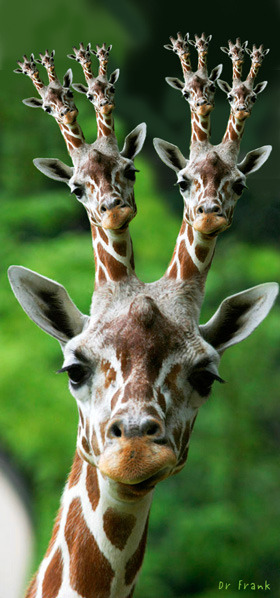
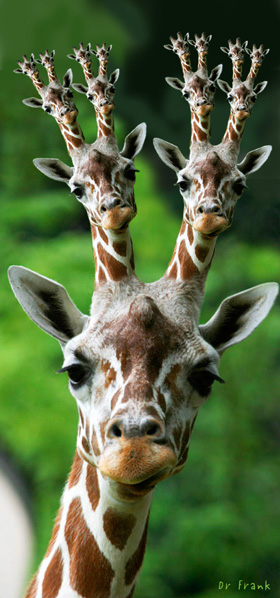
FRACTAL GIRAFFE: Reminded me of Lamarck’s much reviled theory of soft inheritance, or the ability to inherit characteristics acquired in one’s lifetime. The classic example was that of a giraffe stretching it’s neck to reach the top of an acacia tree, so that with every generation, the neck grew a little longer. Like our fractal giraffe 🙂
• Although Lamarck’s idea was discarded in favor of Mendelian genetics (“natural selection”), inheritance of acquired traits is now supported by the branch of epigenetics. DNA can be chemically modified (“methylation”) to alter the expression of genes, and not only is this process influenced by our environment, we can even pass it on to our offspring.
• The famous example is of human populations who experience starvation and pass altered gene function to their children. An isolated community in northern Sweden went through several famine and feast cycles in the past century. Combing through detailed records, it was found that kids who went from normal eating to gluttony in a single season produced sons and grandsons who lived an average of at least six years less. So the choices you make in your lifetime will leave a genetic imprint!
Many of you know Konstantin Lamanov —well known on Google+ in his own right and the creator of a popular series of G+ pages.
Konstantin’s mother, Tatyana Makovoz, is seriously ill with cancer in Ukraine, and the family has exhausted its financial resources in helping her. That’s where we come in—and we’re hoping you’ll join us in contributing to raise funds. Between us, we have tens of thousands in our circles. It shouldn’t be too hard to reach our goal of $10,000. Please share this post and donate —no amount is too small to help.
Rajini Rao Margie D Casados Rich Pollett Annette Marin Adarsh vijay Rahul Roy Alex Anderson Milad Farjadian Alexander Panov Sergei Agarkoff Andrew Obrazcov Светлана Свет Peter Lindelauf
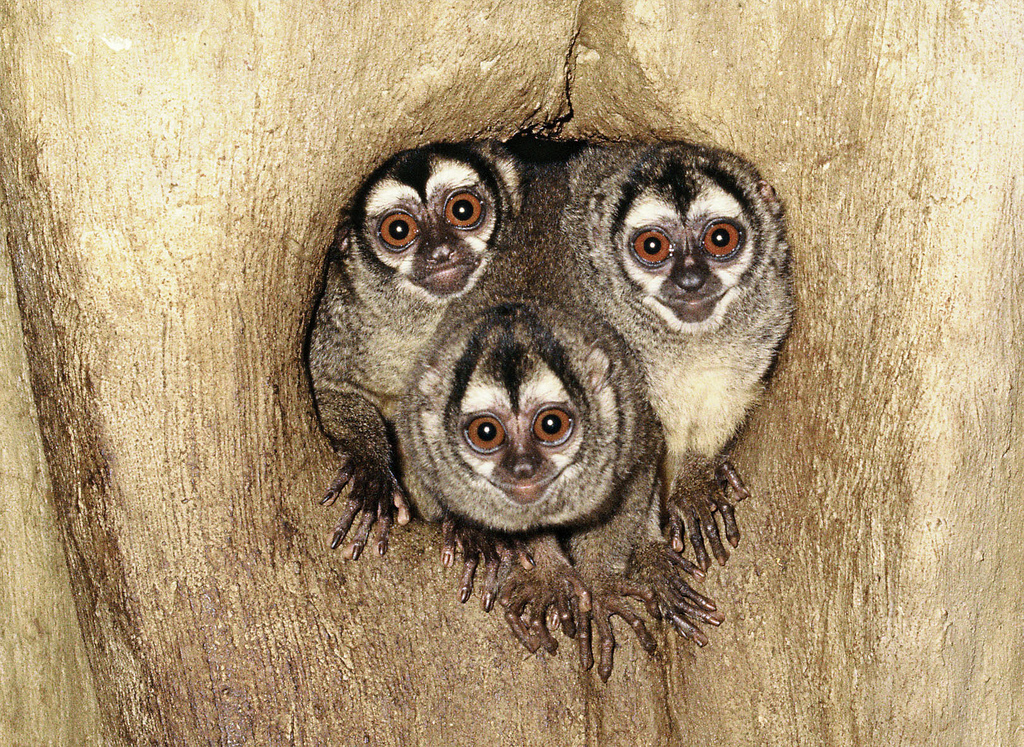
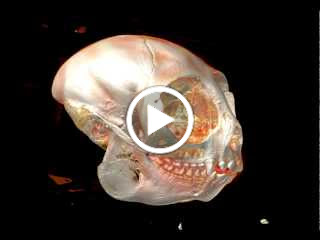
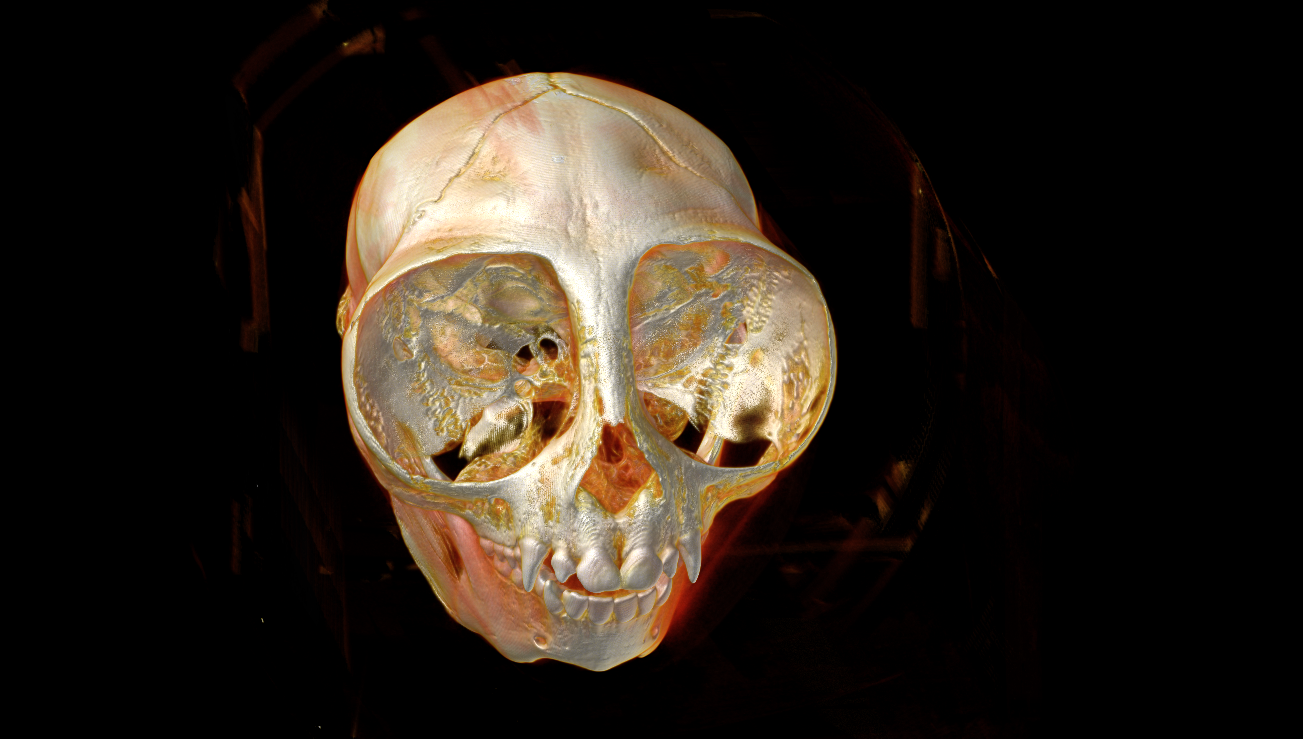
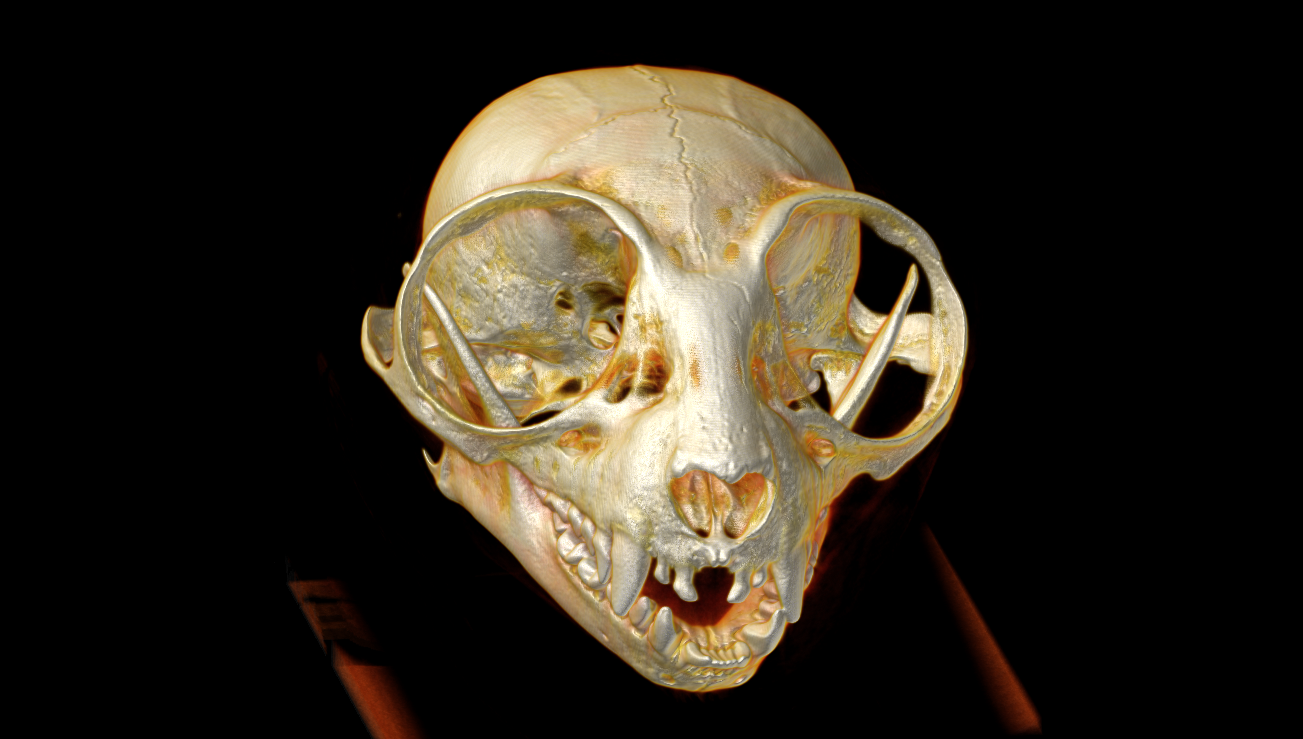
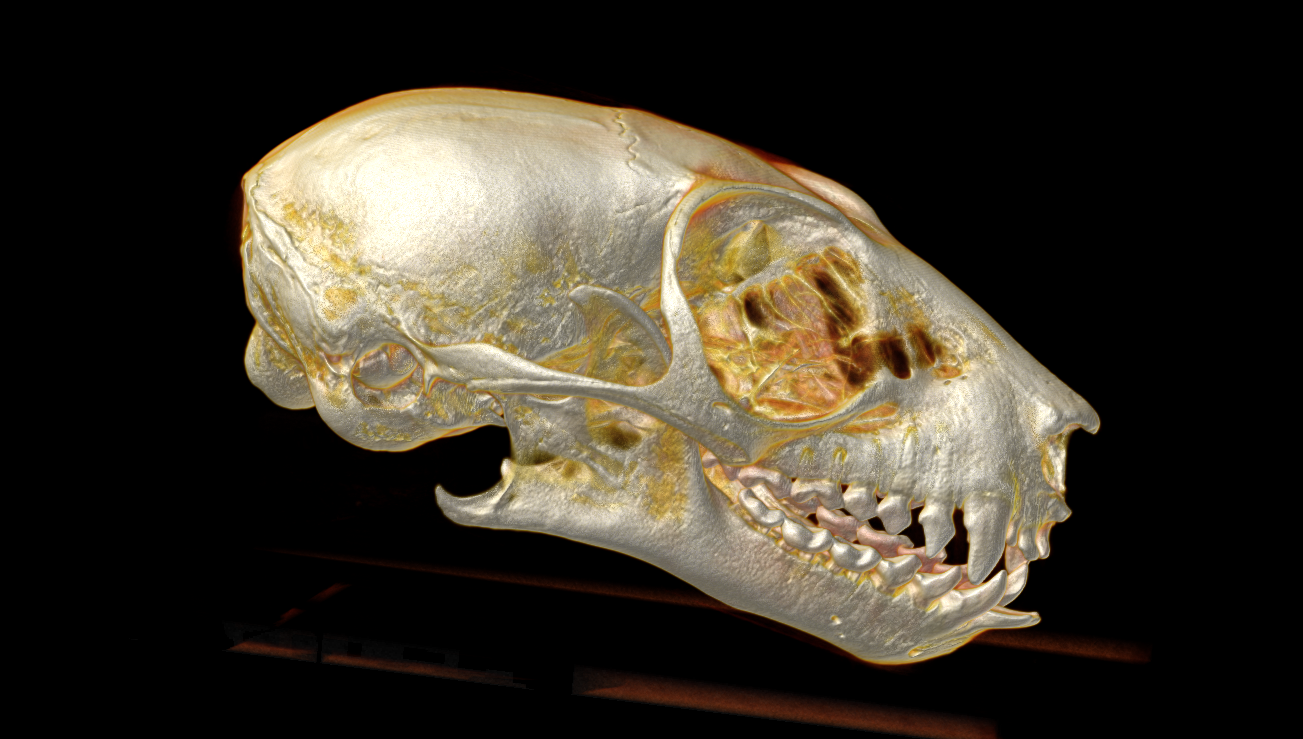
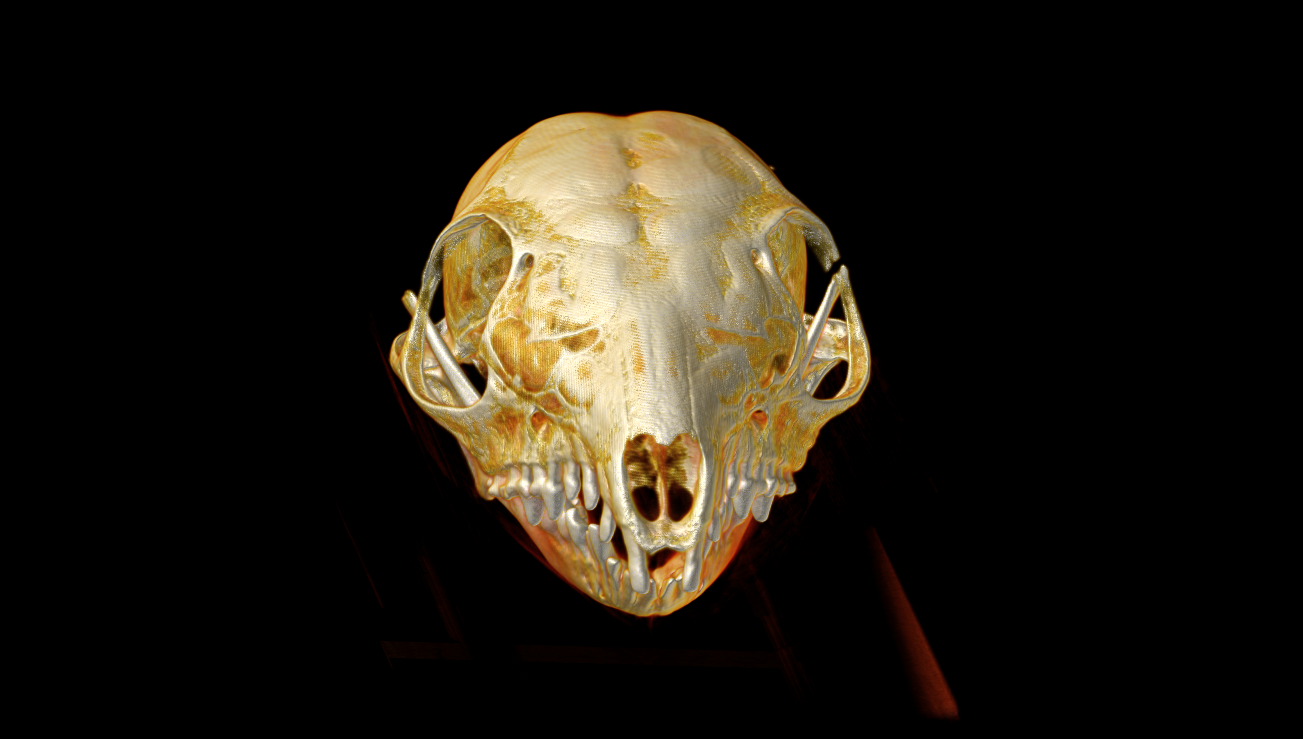
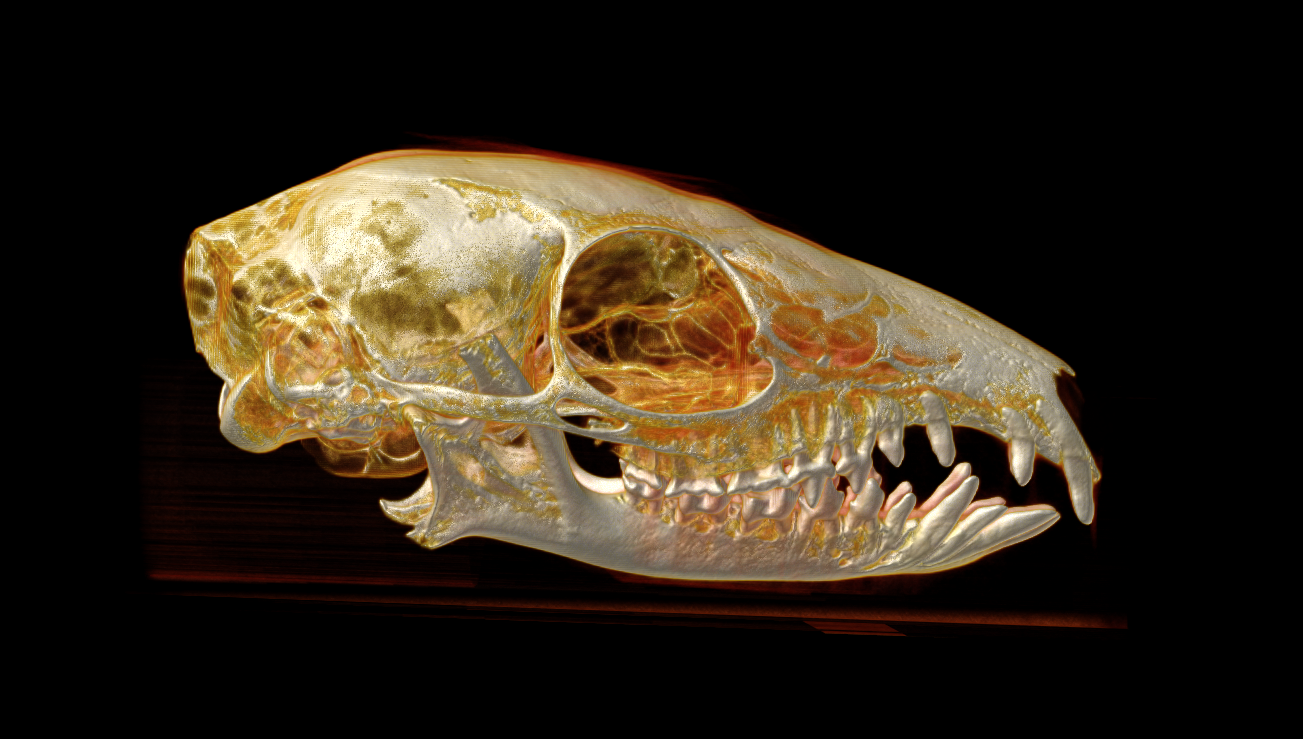
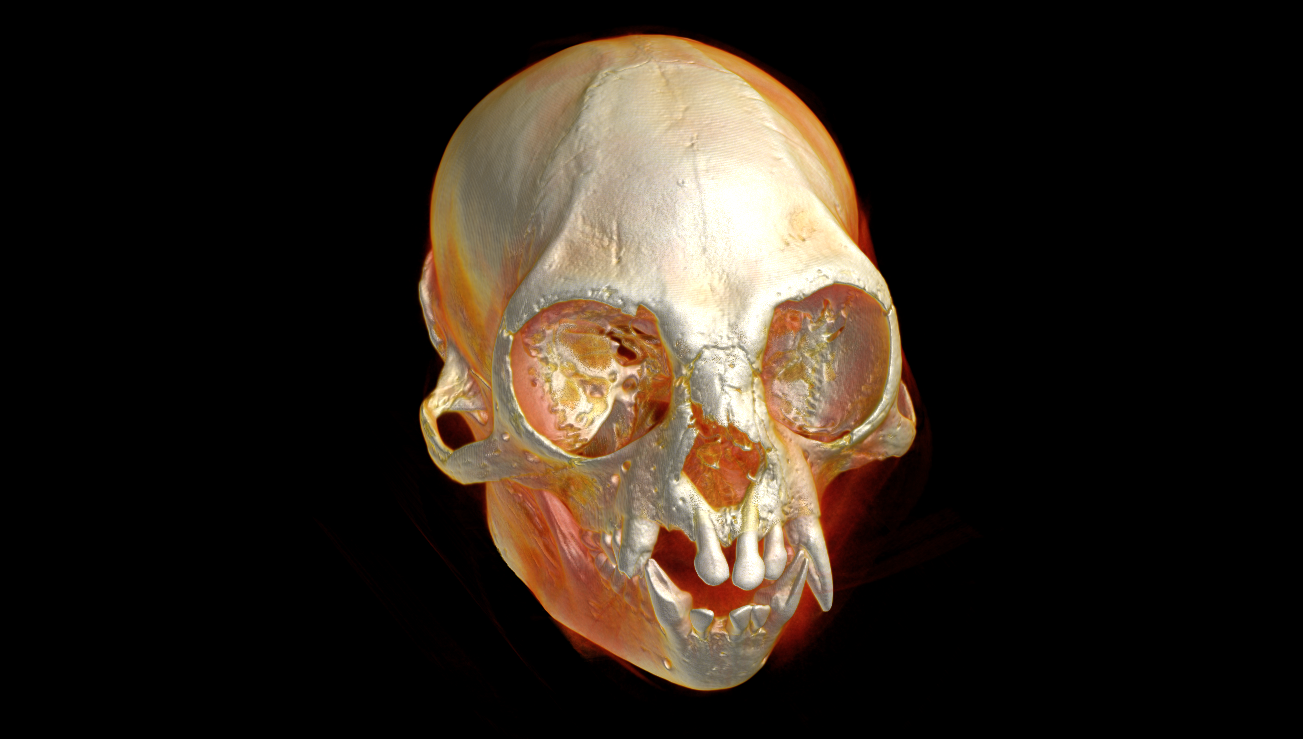
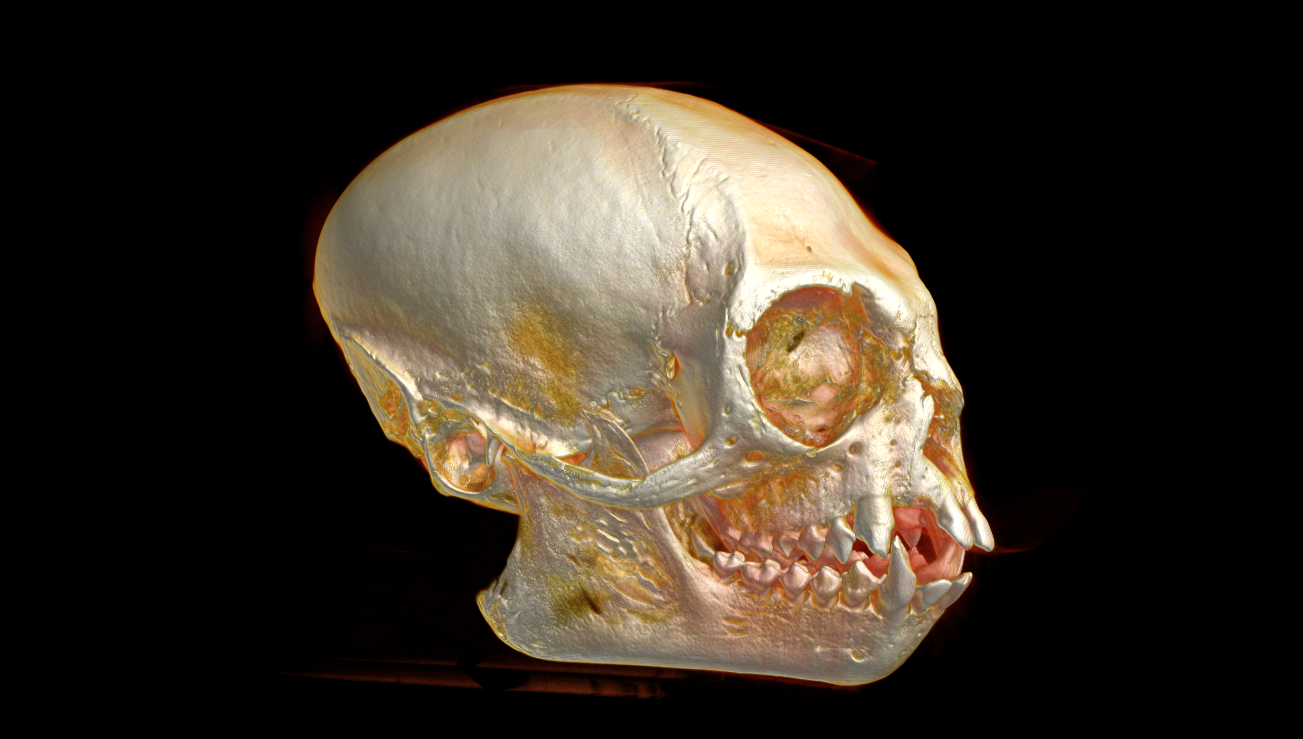
Superb #sciencesunday collaboration by not one, but two scientists! Don’t miss out on the Eye Candy. Notice the enormous eye sockets (orbits) in the skulls of the nocturnal primates. Can you figure out which ones are more closely related to us?
Originally shared by Chad Haney
Evolutionary forces – Working Together
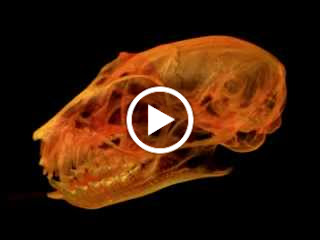
By examining the skulls of primates and connecting the structure and function of bones Dr. Ross et al hopes to better understand the evolutionary forces that drive variations in the skulls of primates. Dr. Ross brought primate skulls on loan from the Field Museum of Natural History to the lab and I imaged them with our microCT (x-ray computed tomography) which I’ve discussed in previous #ScienceSunday posts. The theme for today’s ScienceSunday is collaborative research. So I collaborated with Erin Kane to present my collaboration with Dr. Ross. Just as in real life, working together, we can get more done and complement each other. Thanks to Erin for the beautiful write up below.
Primate Eyes
One of the defining features of all primates is our binocular vision. As primates’ ancestors took to the trees, being able to accurately judge distances gave individuals a selective advantage – you survived jumps and were able to have more offspring than individuals without depth perception who broke bones or fell out of trees. The development of binocular vision may also have helped early primates hunt insects better.
The evolution of binocular vision involved moving eyes from the side of the head (like a horse) to the front of our face, where they are today. When primates’ eyes moved to the front of their faces, this changed the distribution of forces exerted on the skull, especially when chewing. Over time, primate ancestors developed a bony ridge, called a post-orbital bar, behind their eye that kept the forces of chewing from deforming the skull and squishing the eyeball.
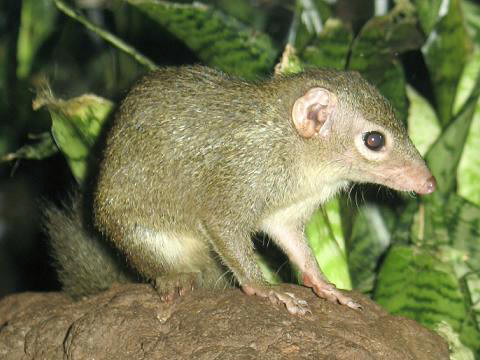
Tupaia is a tree shrew, one of primates’ closest relatives. Their eyes are on the sides of their faces, so their post-orbital bar isn’t complete. Cheirogaleus, the fat-tailed dwarf lemur, is a prosimian, a relatively primitive modern primate (http://goo.gl/ti65p). It’s skull is very similarly shaped to Tupaia, but it has a complete post-orbital bar, and it’s eyes are closer to the front of its face. Tuapaia is a lot like the proto-primates, organisms called plesiadapids who are likely primates’ ancestors. Cheirogaleus is a pretty good analogy for some of the early primates – nocturnal, probably eating insects, and living solitarily.
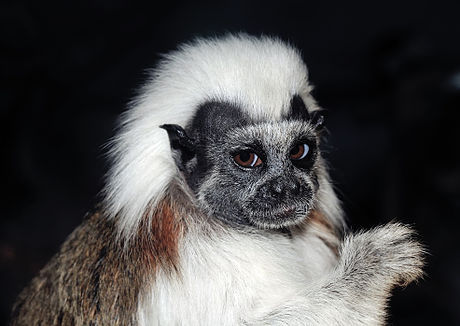
About the same time monkeys evolved, primates’ eyes shifted to the front of their faces. In response to the shift in forces from the eyes moving further to the front of their faces, monkeys and apes developed a solid plate of bone at the back of their eyes. Saguinus and Aotus are both South American monkeys with that solid plate of bone at the back of their eyes. Sagiunus is a diurnal monkey, active during the day. Its eyes are much smaller than Aotus, the only nocturnal monkey. Nocturnal primates have really large eyes (compare Aotus and Cheirogaleus) in order to get as much light as possible into their eyes.
Enjoy your collaborations, Memorial Day in the US, and The Monkees.
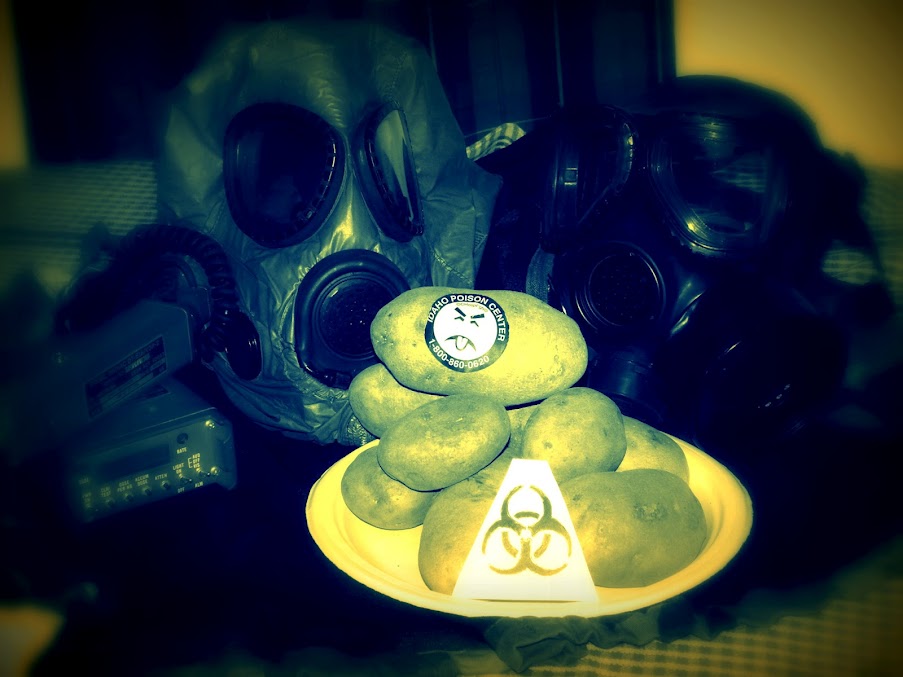
The Dose makes the Poison. A principal concept of Toxicology, first expressed by Paracelcus, an early 16th century physician and alchemist. Did you know that many of your favorite foods naturally contain incredibly potent toxins that can, and have been known, to kill? Not to put you off your potatoes, but here are some infamous poisons found in edible plants.
• Solanine: Never eat potatoes that have turned green because that indicates the presence of solanine, a toxic glycoalkaloid. Although the green color is caused by harmless chlorophyll, solanine is also produced in response to light and is highest just under the skin and in the “eyes” or sprouts. Symptoms range from nausea to death. Although one would need to pig out on green potatoes to die from it, people have been poisoned drinking potato leaf tea. In fact, the Solanaceae family that has also given us our beloved tomatoes, eggplants and tobacco, is chock full of deadly poisons. They include nicotine, atropine and scopolamine. Let’s just say that the genus Atropa (deadly nightshade) is named after the Greek Fate, Atropos, who cut the thread of life.
• Cyanide: More than 500 million people rely on cassava as a source of food, the third most consumed source of starch in the world. Yet, it contains a cyanogen named linamarin, that converts to cyanic acid when eaten. If not processed properly, cassava causes neurological disease and death. On a positive note, the combination of the enzyme linamarase with linamarin could be used to treat cancer in a strategy dubbed suicide gene therapy. Most of the cyanide is produced outside the cells, resulting in a “bystander effect” that kills off the tumor.
• Myrisitin: A psychoactive drug chemically similar to mescaline and amphetamine found in nutmeg and mace. It binds to the brain’s serotonin receptors and causes hallucinations, along with other less pleasant effects. Getting high on nutmeg is teen fad that can be dangerous.
• Phytohaemagglutinin: Causes red blood cells to clump. Found in highest concentrations in raw red kidney beans (also white/cannellini beans), a single bean can have 70,000 haemagglutinating units. As few as five raw beans can bring on nausea, vomiting and worse within a few hours of consumption. This can be reduced by boiling for at least 10 min. However, slow cooking actually increases the toxin levels up to five times! On the bright side, these compounds are useful in research for tracing the connections between neurons, and in medicine, for activating cell division in T-lymphocytes.
Images: Idaho native Gnotic Pasta posed for these pictures with the world famous spuds and inspired this post. Many thanks, Dan!
I Squid You Not: Adorable Video of the Day! These baby cephalopods, called paralarvae, are as tiny as a grain of rice.
• Chromatophores are those little jewels embedded in their opalescent bodies. Adults can control their color to break up their outline and confuse predators…or, attract a mate.
• Jet Propulsion is the technical term for their swimming motion! The babies suck water into the main body cavity (mantle) and squirt it out as a siphon. The two flaps are fins that act as rudder.
• The Vancouver Aquarium successfully reared 400 of these in March. Just like any baby, these little ones had to be constantly fed and watched over!
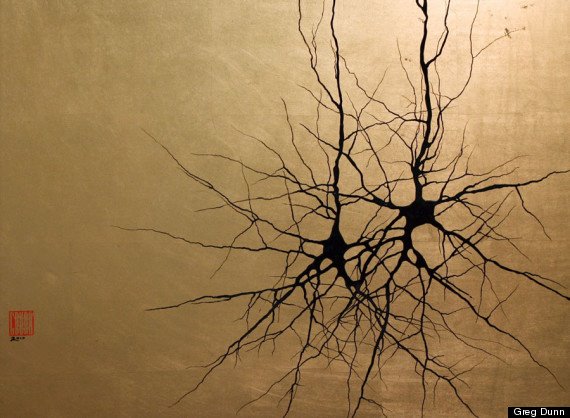
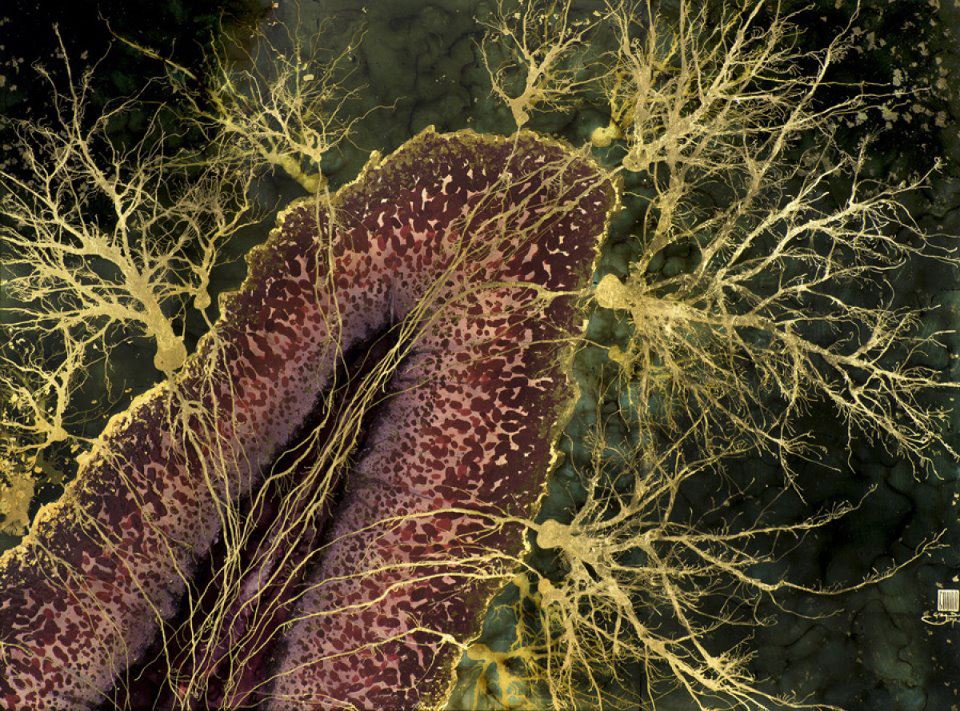
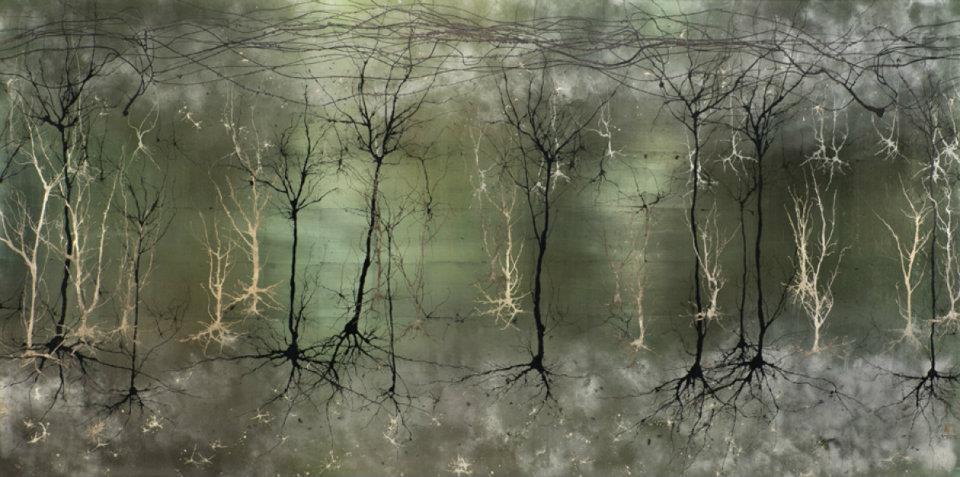
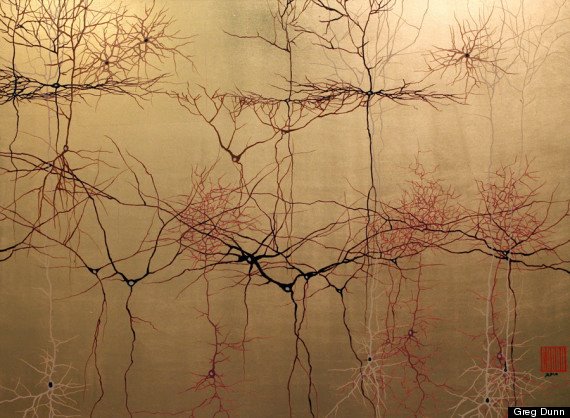
NEUROSCIENCE ART: Greg Dunn is a Neuroscience PhD student at U Penn and an artist in the style of Japanese minimalist scrolls. His artwork has been commissioned by research institutes and neuroscience societies (see tag on each image).
• The Brain Project: Greg Dunn explains, “The tremendous knot of cells when connected in a certain way gives rise to a strange sense of “I” that is able to ponder and learn things about its environment.” He continued, “It is an utter miracle, and is at the root of why we are conscious beings able to appreciate this world and all of its beauty. How can you not love it?!” We love it too, Greg!
POETRY IN TRANSLATION: IN-GENE-IOUS! Canadian poet Christian Bök is known for his experimental work..in literature. His best selling poem, Euonia, uses only one vowel per chapter (e.g., “Enfettered, these sentences repress free speech”).
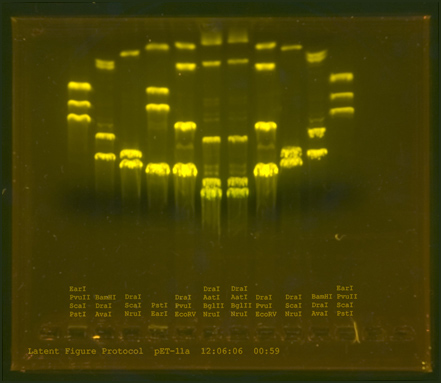
• Living Poetry: It’s taken him nine years to code a poem into a sequence of DNA and express it in bacteria, where it makes a protein which responds back in poetry. Confused? The central dogma of biology is that the 4-letter DNA alphabet (ACGT) can be arranged in a triplet code which in turn corresponds to the amino acids of a protein. The 20 amino acids each have a single letter code, so they can spell out words as well. For example, the triplet GGA codes for amino acid Glycine which is symbolized by the letter G. So, one could write out words in both DNA and protein. There are challenges: for example, there is no amino acid for the letter J so I can’t spell my name out as a protein 😦
• Xenotext: Bök devised his own coding scheme and used it to create a gene, gene X-P13, that began a poem, ““any style of life/ is prim…”. Inserted into bacteria, it produced a harmless protein that glowed red and spelled out the poetic response beginning, “the faery is rosy/ of glow…”. Next, he wants to insert it into Deinococcus radiodurans, an extremely hardy, radiation resistant microbe where he hopes it will live forever, outlasting all human artifacts.
• Literary Criticism: Natural selection is a tough critic. If this protein has no useful role in the bug, it will likely accumulate mutations and be lost rapidly. Even if the protein survives, both the DNA and protein code could change because it is not the DNA or protein sequence that is important, but the three dimensional structure. Back to grad school, Dr. Bök 🙂








 madame scientist's not-so-mad musings