Eye See You

Eye See You

• Fish eyes continue to grow larger throughout their lives because of stem cells that are concentrated at the ends of the red arcs (nerve tissue) seen in this zebrafish eye. This allows the visual cells of the retina to be repaired and regenerated continuously. The retina is seen wrapped around the lens (green circle with black center) in this cross-section.

• The eye is really an outgrowth of the brain formed during embryo development. Take a look at the orange cells in the eyefield (inset A; ef) pushed to form two lateral bulges by the advancing midline (A-B; blue).

• Humans (and other mammals) lack stem cells in the adult eye although research is focusing on Müller cells, a type of glial cell that may be able to regenerate neurons and photoreceptors lost to disease and injury.

Image source: http://bpod.mrc.ac.uk/archive/2013/3/7

Inset diagram: http://www.ucl.ac.uk/zebrafish-group/research/eye.php

#ScienceEveryday  

Posted in Rajini Rao | Tagged | 75 Comments

How to Build a Plant

How to Build a Plant

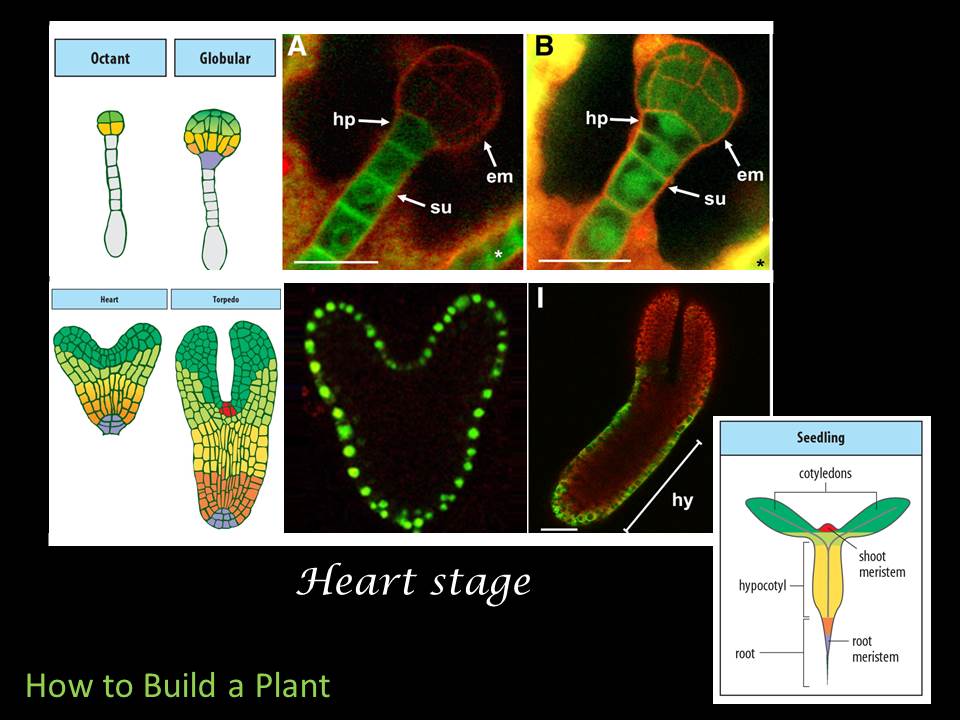
• Did you know that a plant embryo has a heart stage?

• As in animals, a fully functional plant is built from a single cell. After the first set of divisions, the 8 cells (octant) are already distinguished into upper and lower halves that will become the shoot and root.

• Next, each cell divides tangential to the surface to separate into outer and inner layers (globular stage). The cells near the base elongate, while those near the top divide horizontally to form a triangle, and then a heart shape. The furrow in the heart deepens to form a torpedo, which eventually unfurls to form the first leaves (cotyledons) of the seedling.

• The evolution of multicellular organisms occurred many times and independently, in plants, animals, algae and fungi. The switch from a solitary existence to a community of cells happened long ago (over 500 million years). The challenges to building this community may sound familiar: how to control its growth, division of labor, mutual cooperation and resolution of conflict 🙂

Image Source: http://www.plantphysiol.org/content/139/2/701/F3.full

Diagrams: http://pic2.gophoto.us/key/plant%20embryo%20development

Info: http://labs.csb.utoronto.ca/berleth/embryo_development.htm

#ScienceEveryday  

Posted in Rajini Rao | Tagged | 39 Comments

Fat Cell

Fat Cell

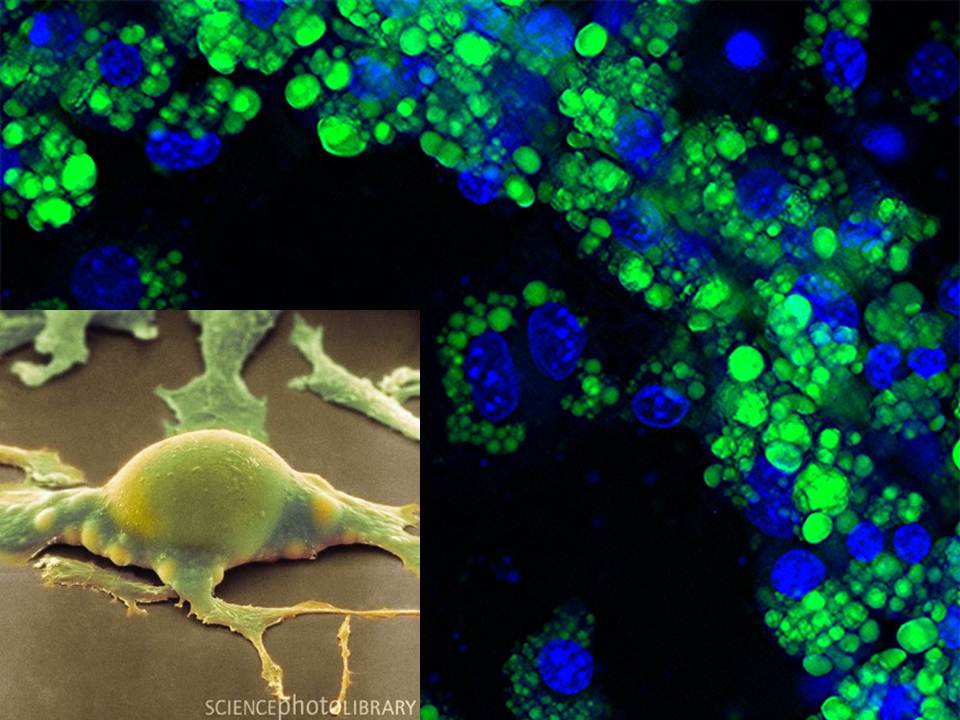
Meet the adipocyte or fat cell, the first in an occasional series of #excyting cell types. Each cell, marked by the blue nucleus, is loaded with fat droplets stained in green. 

Why we need fat: Adipocytes have three important jobs: they store energy in the form of fat, they secrete hormones and they respond to insulin to meet the immediate energy needs of our bodies. Obese people who carry out these three functions are metabolically healthy and actually have 38% lower mortality risk. If fat is stored elsewhere, it leads to metabolic disease.

Good fat, bad fat, white fat, brown fat: Not all fat cells are equal. While white fat stores energy, brown fat burns energy to produce heat. Babies and hibernating animals use brown fat to keep warm. The brown color comes from being packed with iron-rich mitochondria. In brown fat, these powerhouses are “uncoupled”: they use energy from fat to pump protons across their membrane but the protons run backwards in a wasteful exercise in futility that generates heat.

Fat is plastic: white fat cells can convert to brown fat by a process induced by cold temperatures. This is a good thing: animals with more brown fat are more resistant to diabetes and obesity.

Fat cells are constant: It is generally believed that the number of fat cells is nearly constant, beyond childhood. Rather, it is the size of the cell that changes. When mature, an adipocyte may be 10 or 20 times its original size.

Image: 3T3-L1 derived adipocytes stained for lipid droplets (green) and DNA (blue). Finalist, GE Healthcare cell imaging competition, 2012 ▶ http://goo.gl/hkzBE Inset, colored scanning electron micrograph of a fat cell. Most of the adipocyte’s volume is taken up by a large lipid (fat or oil) droplet. Fat accumulation starts with a few small lipid droplets which coalesce to make one large droplet. Magnification: x10,000 when printed at 10 centimetres wide.  ▶ http://goo.gl/sZ6hp

#ScienceEveryday

Posted in Rajini Rao | Tagged , | 78 Comments

Chameleon Catapult

Chameleon Catapult

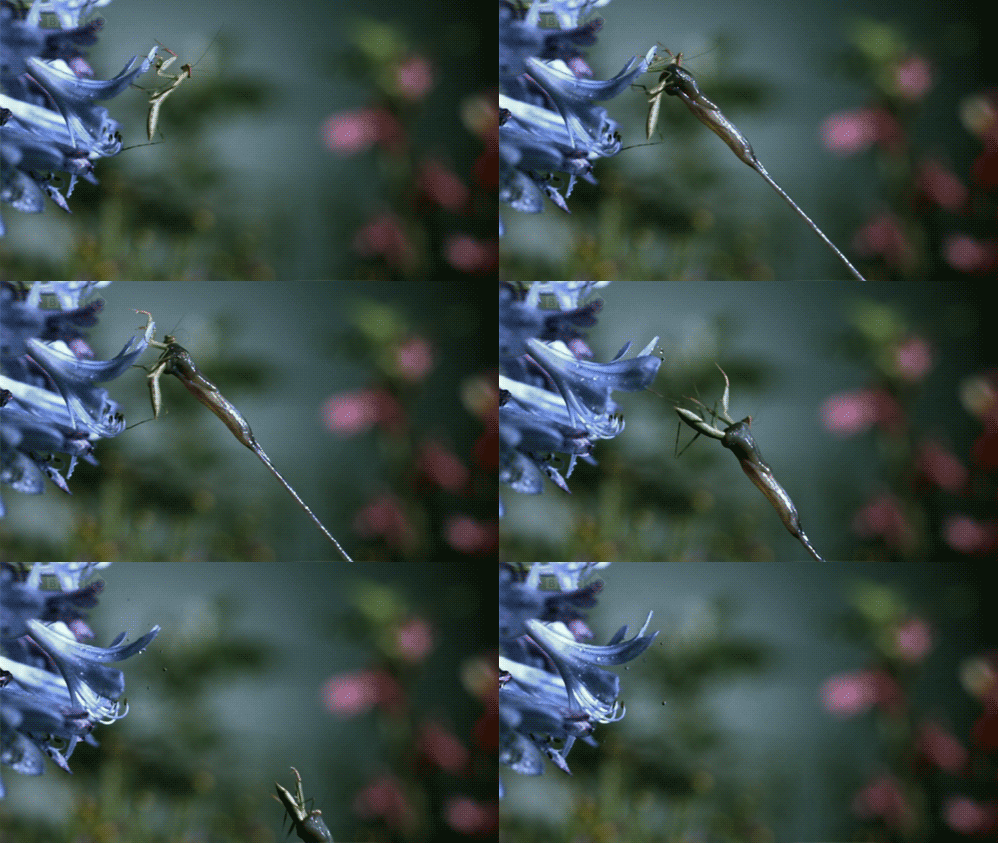
Chameleons are among the slowest moving reptiles. But their protruding eyes swivel independently for a 360 degree range, so they can look for prey in different directions at the same time. When a hapless insect victim is detected, both eyes focus on it to judge range and distance with superb accuracy. 

Ballistic Brilliance! The chameleon then launches its tongue, which is 1.5 times its body length, at speeds of 26 body lengths per second. That works out to 13.4 miles per hour or 6 meters per second . The initial acceleration is enormous: 500 m s−2 or 51g. For comparison, the space shuttle launches at 3g and humans pass out at accelerations approaching 10g. It takes less than a tenth of a second for the chameleon to snag its prey!

Corkscrew Collagen: This impressive performance exceeds the capability of any muscle in biology by an order of magnitude. So what’s the secret behind the ballistics? The chameleon’s tongue has energy stored in concentric layers of a springy fiber, called collagen, wrapped around a stiff cartilage core. The powerful tongue muscle initially primes the spring by compressing it, to the same effect as a bow being pulled taut. When the tongue is launched, the spring uncoils explosively, slipping off the cartilage core. Once the sticky end snares the prey, the muscles work more slowly to reel it back in. This gives chameleons a competitive edge over lizards and other reptiles. Watch ▶ http://goo.gl/EBFty

Breakfast at Dawn: Another advantage to this strategy is that the chameleon can catch its prey even at chilly temperatures when its muscles slow down drastically: unlike birds and mammals, reptiles are cold blooded and at the mercy of their ambient temperature. Watch how only the retraction of the tongue is slowed at low temperatures ▶ http://goo.gl/gT2hd

REF ▶ http://www.ncbi.nlm.nih.gov/pmc/articles/PMC1691657/

Slo Mo ▶ http://vimeo.com/12068409

H/T to Panah Rad for the gif ▶ http://i.imgur.com/XCytc.gif

#ScienceSunday  

Posted in Rajini Rao | Tagged | 108 Comments

Join us for another Science HOA, brought to you by ScienceSunday as we talk to Dr Michael Habib about paleontology!

Originally shared by ScienceSunday

Join us for another Science HOA, brought to you by ScienceSunday as we talk to Dr Michael Habib about paleontology! Michael is a paleontologist and anatomist working in the fields of functional morphology and biomechanics. He is most well known for his work on extinct flying vertebrates, especially giant pterosaurs.  We will be discussing the evolution of animal motion and the use of animal morphology and behavior to inspire new technologies. He will also show us some fossil samples during the HOA! If you have any questions for Michael please leave them on the Event page as always.

Buddhini Samarasinghe (ScienceSunday) and Scott Lewis (CosmoQuest) will be hosting this event.

Image: John Conway, used with permission (http://johnconway.co/)

#SciSunHOA

events/ccmgoc8doq9inuev1ggp4vgdo8k
Posted in Rajini Rao | Tagged | Leave a comment

Strawberry Scones and Civili-Tea: A Pragmatist’s Valentine

Strawberry Scones and Civili-Tea: A Pragmatist’s Valentine

A marriage made by matchmakers Ours is a pragmatic partnership. Social, economic and educational equity? Check. Common Genetic Pool? Yes, his grandmother and mine are cousins once removed. Horoscopes matched? Expeditiously ignored, unless the meeting does not go well in which case the alignment of stars will turn out to be sadly (but conveniently) out of synchrony.

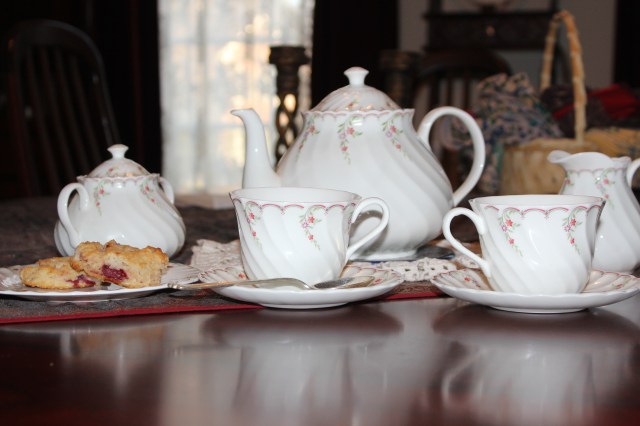
Tea’s a Crowd It begins with an elaborately casual tea staged at my future in-law’s home: Eligible Bachelor #1 meets Nubile College Grad under four pairs of fondly hopeful parental eyes. Bachelor drops his teaspoon and is struck dumb. Bachelorette studiously ignores the handsome klutz and strikes up an animated discussion with groom-to-be’s father. Not an auspicious beginning. Considering that the chick will soon fly the coop (my tickets to America purchased, scholarship to graduate school in hand), the situation warrants bringing in the heavy weights, no less than a sari-clad replica of the Dowager of Downton Abbey! Post haste, the grandparents arrange a second meeting in neutral territory and after some masterful maneuvering I find myself tête à tête amidst the bougainvilleas and overgrown crotons of my grandmother’s garden. Two years later, we are married and have so remained for more than two and a half decades although I tossed off my sacred mangalsutra immediately and my husband has never worn a wedding ring.

I’ll Pass on the Roses, Thanks! It should therefore come as little surprise to you, dear reader, that Valentine’s Day passes by unnoticed in Madamescientist’s household. But that one and half hour ride from Baltimore to Philly on a snowy Sunday morning, so I can chair a meeting before flying on to another in Houston..that was much appreciated, thank you! So when Michelle Beissel shared a recipe for heart shaped strawberry scones, I thought it would be nice if we raised a cup of cheer in memory of that fateful tea party so many years ago.

Pictures and Recipe: https://madamescientist.wordpress.com/2013/02/13/strawberry-scones-and-civili-tea-a-pragmatists-valentine/

Michelle’s Potager Garden: http://soupedupgarden.blogspot.com/

#Incorrigibilitea #IncorrigibleValentine #ValentinesDay  

Posted in Rajini Rao | Tagged , , | 100 Comments

Strawberry Scones and Civili-Tea: A Pragmatist’s Valentine

Strawberry Scones and Civili-Tea

Strawberry Scones and Civili-Tea

Ours is a pragmatic partnership. A marriage made by matchmakers. Social, economic and educational equity? Check. Common Genetic Pool? Yes, his grandmother and mine are cousins once removed. Horoscopes matched? Expeditiously ignored, unless the meeting does not go well in which case the alignment of stars will turn out to be sadly (but conveniently) out of synchrony.

It begins with an elaborately casual tea staged at my future in-law’s home: Eligible Bachelor #1 meets Nubile College Grad under four pairs of fondly hopeful parental eyes. Bachelor drops his teaspoon and is struck dumb. Bachelorette studiously ignores the handsome klutz and strikes up an animated discussion with groom-to-be’s father. Not an auspicious beginning. Considering that the chick will soon fly the coop (my tickets to America purchased, scholarship to graduate school in hand), the situation warrants bringing in the heavy weights, no less than a sari-clad replica of the Dowager of Downton Abbey! Post haste, the grandparents arrange a second meeting in neutral territory and after some masterful maneuvering I find myself tête-à-tête amidst the bougainvilleas and overgrown crotons of my grandmother’s garden. Two years later, we are married and have so remained for more than two and a half decades although I tossed off my sacred mangalsutra immediately and my husband has never worn a wedding ring.

Tête-à-tête amidst the overgrown crotons in my grandmother's garden. Circa 1983.

Tête-à-tête amidst the overgrown crotons in my grandmother’s garden. Circa 1983.

It should therefore come as little surprise to you, dear reader, that Valentine’s Day passes by unnoticed in Madamescientist’s household.  I’ll pass on the roses, thanks. But that one and half hour ride from Baltimore to Philly on a snowy Sunday morning, so I can chair a meeting before flying on to another in Houston..that is much appreciated, thank you! So when my virtual friend and fellow blogger Michelle shared a recipe for heart shaped strawberry scones, I thought it would be nice if we emerged from our respective corners to raise a cup of cheer in memory of that fateful tea party so many years ago.  I should note that I considered myself a gardener until I came across Michelle. She is a Master Gardener. Her weekly diary chronicling her potager garden in the south of France (with Dayo the cat) both delights and enchants.

Strawberry Scones

  • Begin by preheating your oven to 425 F.
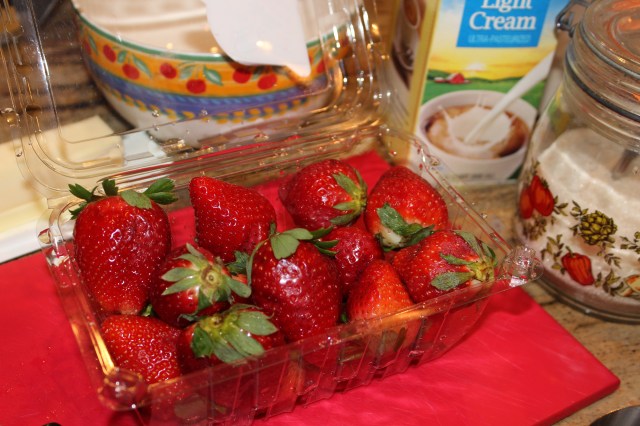
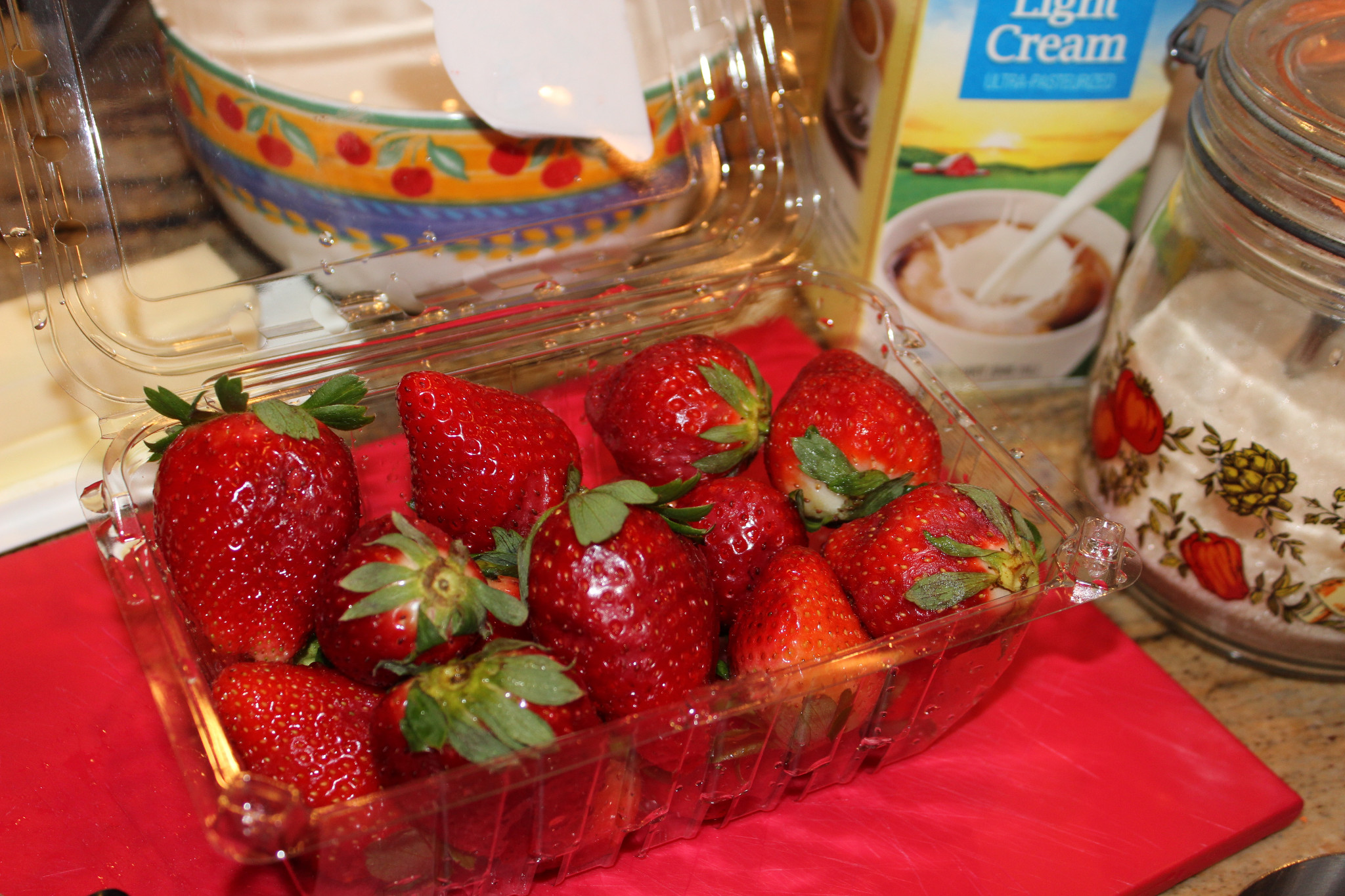
Strawberries for scones

Strawberries for scones

  • Chop a cup of ripe strawberries or partially thaw some frozen ones.
  • Cut 3/4 stick of unsalted butter (6 tbs) into small cubes. Keep it cold.
  • Mix the dry ingredients: 2.25 cups flour, 1 tbs baking powder, 0.25 cup sugar (more if you like your scones sweet), 0.5 tsp salt.
  • Add the butter and using your hands, distribute it hither and thither. Yes, it is messy but it will soon get stickier. There should be pea sized particles of buttery goodness randomly dispersed through the flour mixture. Mix in the strawberry pieces.
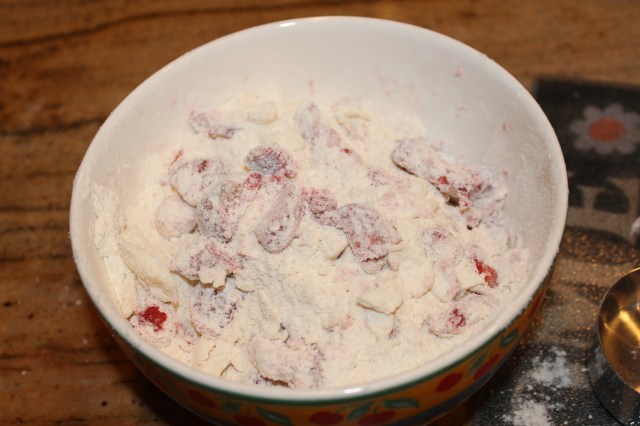
Mix in chopped strawberries

Mix in chopped strawberries

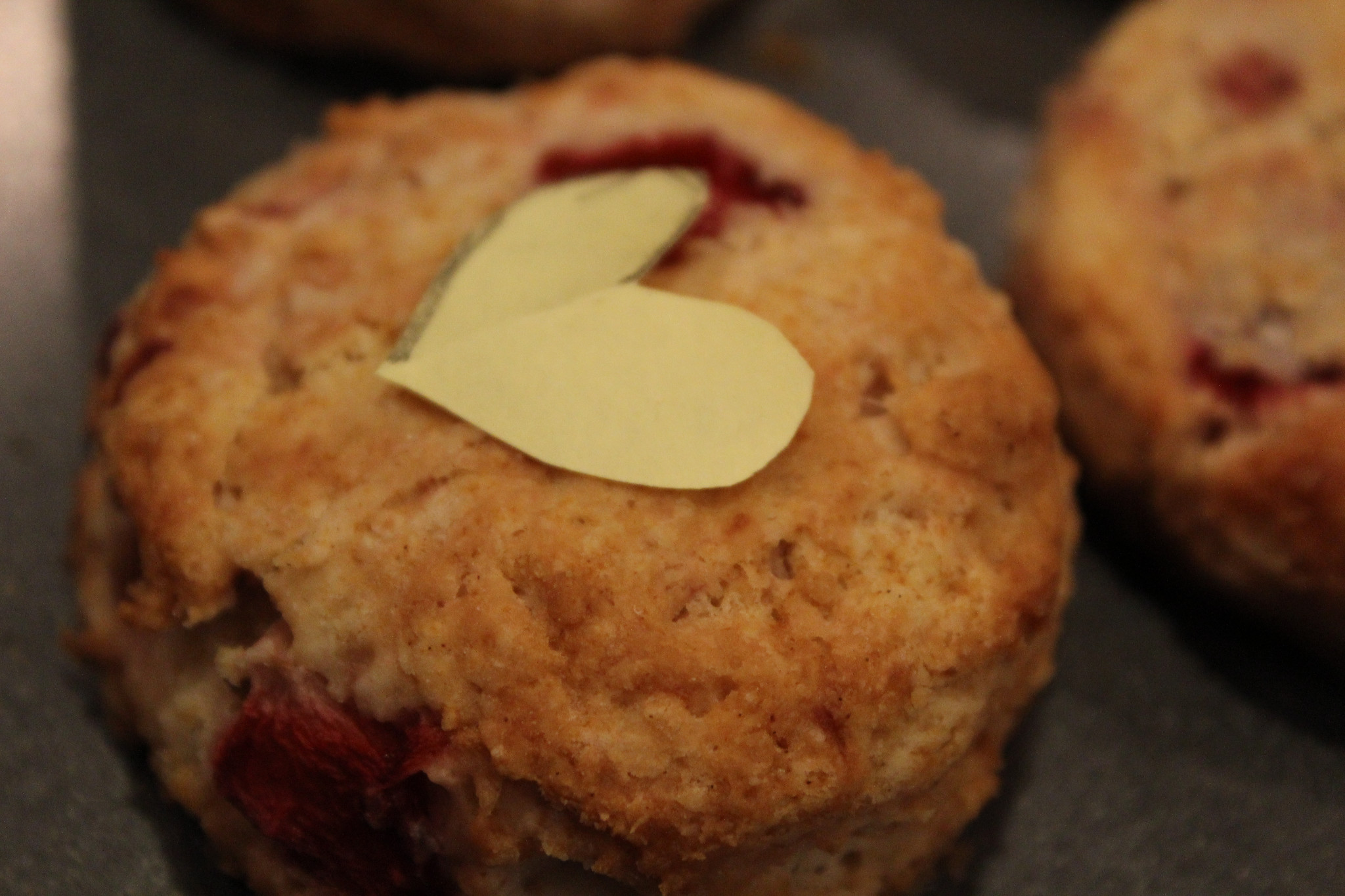
  • Now add 1 cup of cream. By now I have flour on the tip of my nose and in my hair. To compound the problem, I used my hand to stir everything up but you will use a spatula as Michelle recommends, since you will read these instructions more carefully. Notwithstanding the sticky mess, turn out the dough on the counter top and gently pat out. I didn’t bother using a rolling pin. (Never mind that I couldn’t locate my biscuit/cookie cutter at this point and became obsessed with finding one. So I stuck the dough in the fridge, ran out to the local store which carries no heart shaped cutters, only circular ones. Oh well, I will cut out paper hearts instead).
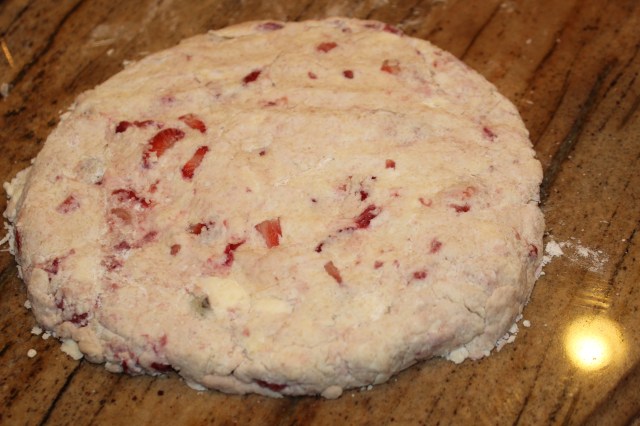
Quickly pat out the dough, trying not to warm it too much.

Quickly pat out the dough, trying not to warm it too much.

  • Working quickly, place cut out scones on a baking sheet.
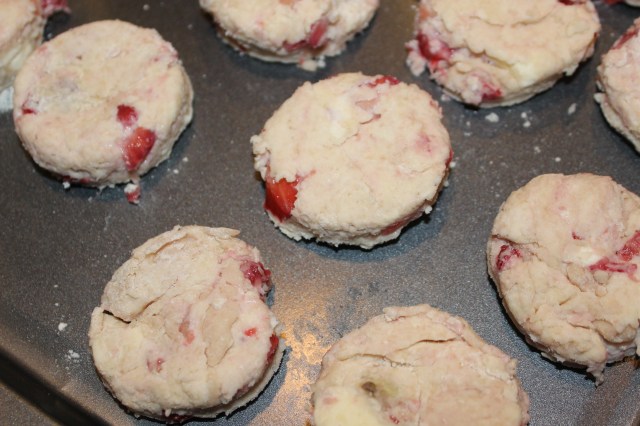
Place cut-out scones on cookie sheet.

Place cut-out scones on cookie sheet.

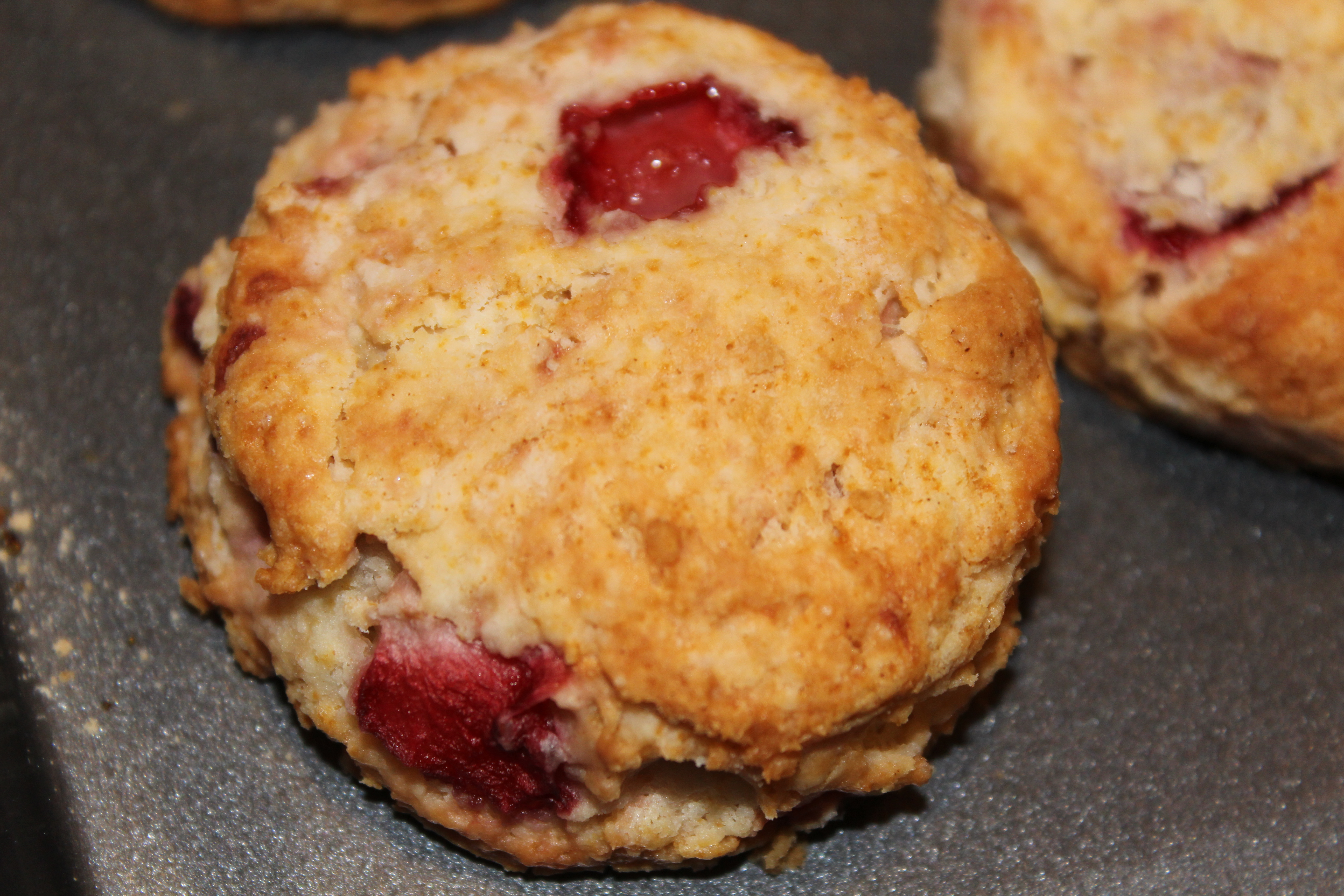
  • Bake for 15 min or until golden brown. Let cool.
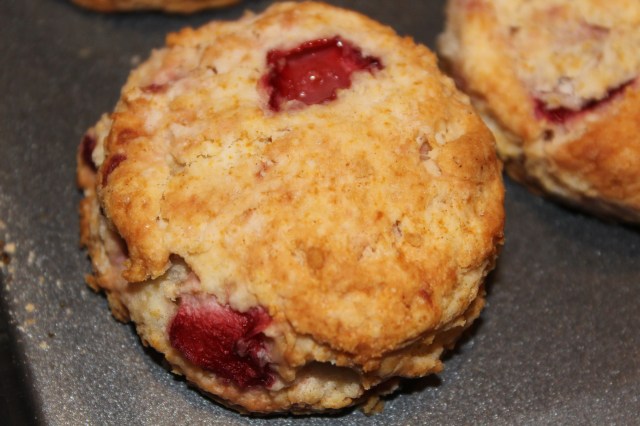
IMG_2180

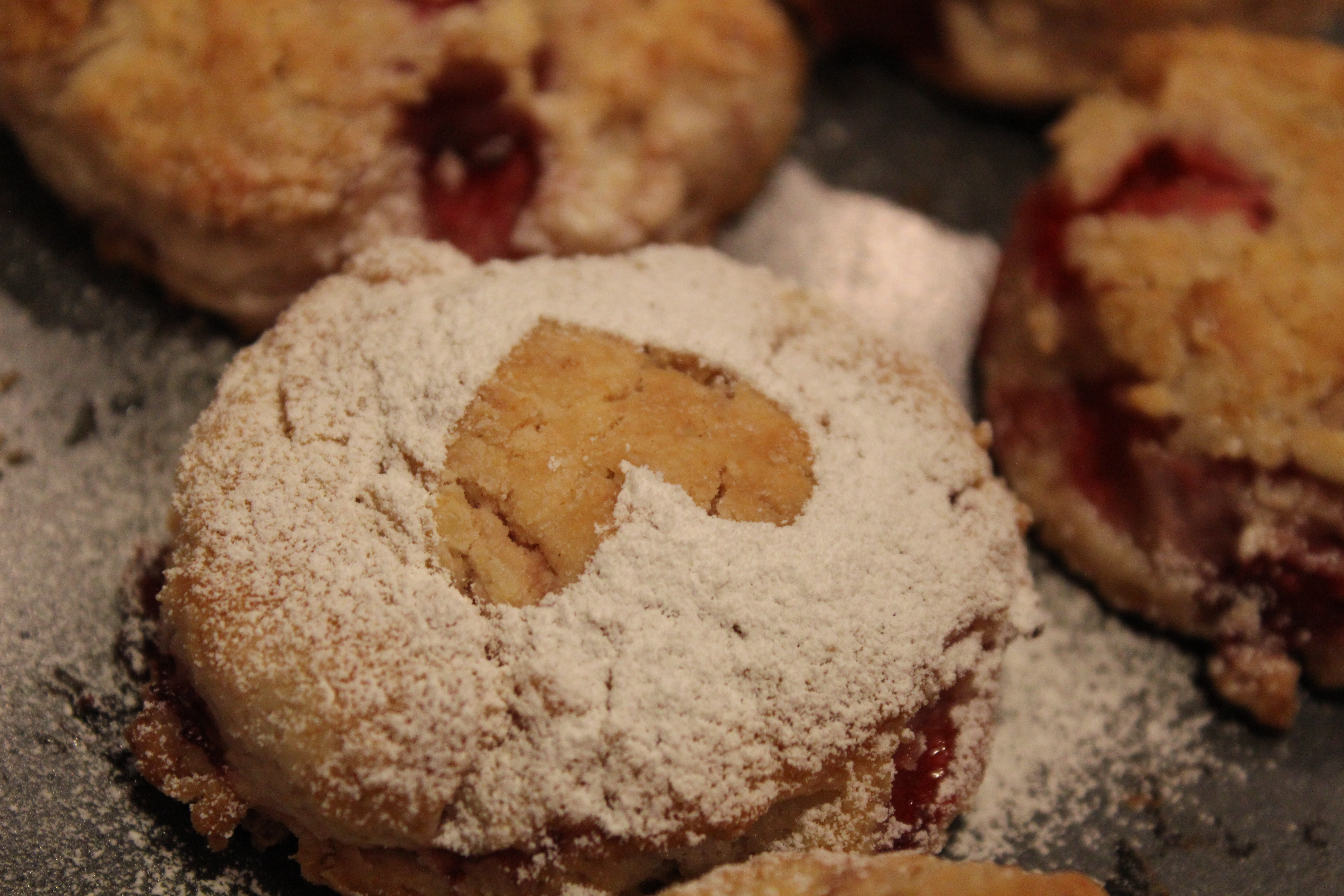
  • Make a wonderful mess by putting some confectioners sugar into a tea strainer, placed over a small bowl. Using a knife, tap the strainer so that sugar is dusted over your paper heart placed on top of the scone. Remove the heart and admire the pattern. This goes pretty quickly, much the same as my patience.
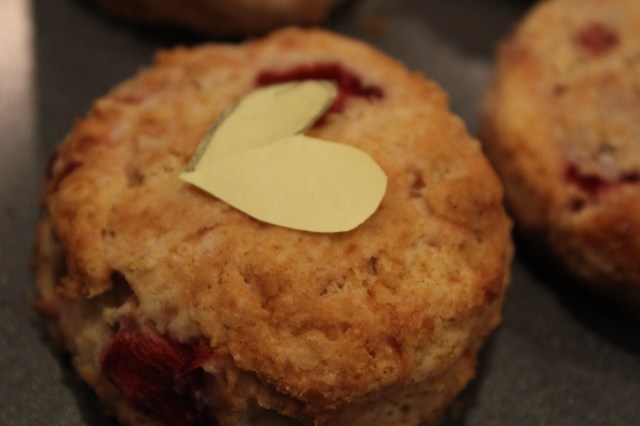
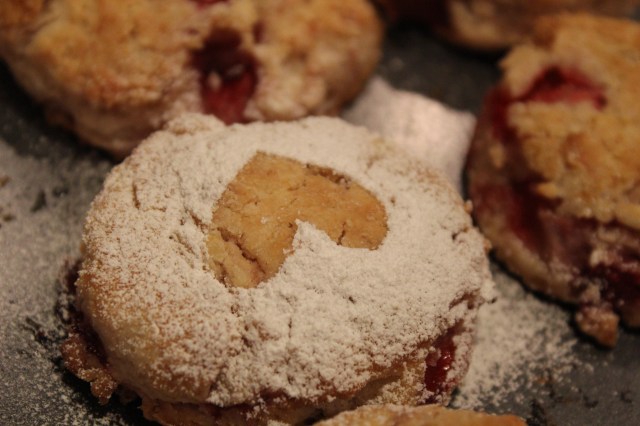
IMG_2182

IMG_2183

Tea for Two

From the jaggery-sweetened chai sold in tiny earthen pots at Howrah Railway station, or the cardamom-infused Assam tea served mid-afternoon by the Southern housewife in brimming stainless steel tumblers, to the weakly elegant Nilgiri infusion steeped in tradition, bone china and the lace doilies of elegant urban drawing rooms, tea is a treat all over the Indian subcontinent.

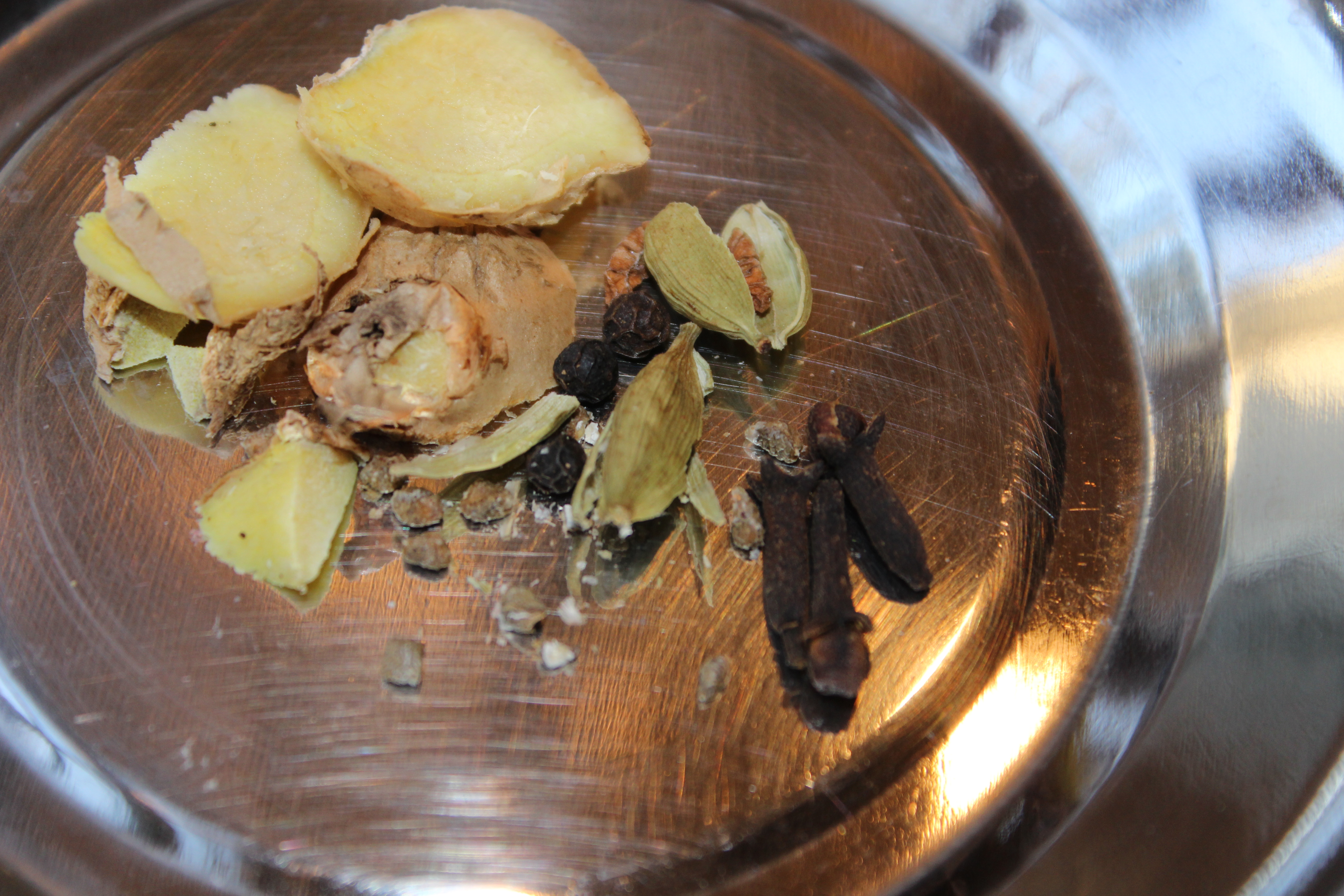
  • I bring 2.5 cups cold water to a boil. To that, I add a few cloves, lightly crushed cardamom pods with shells, a slice or two of ginger and some black peppercorns.
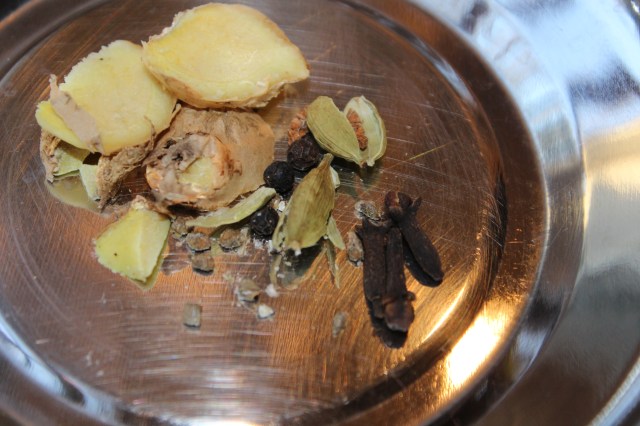
Spices for Tea

Spices for Tea

  • Pour into a teapot with 3 tsp of loose leaves (one for each cup and one for the pot!). You will need a strong brew to stand up to the addition of spices and milk.
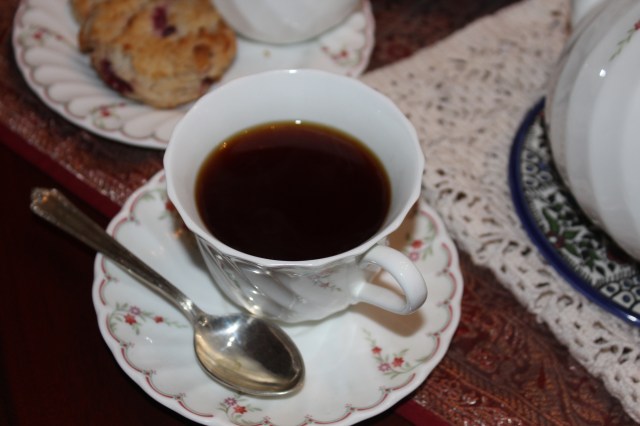
A strong brew

A strong brew

  • Meanwhile, heat some milk. Adding cold milk to hot tea defeats the purpose of a hot drink!
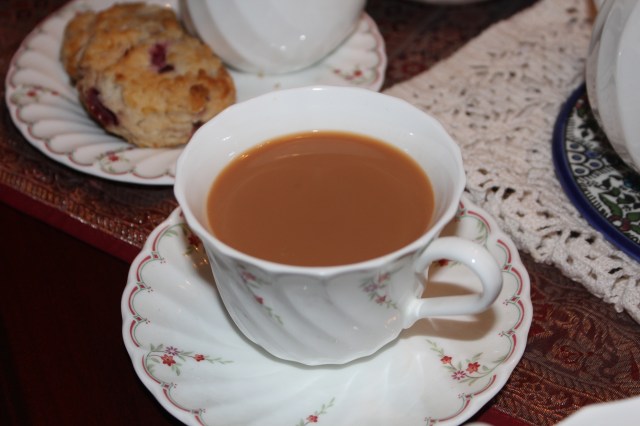
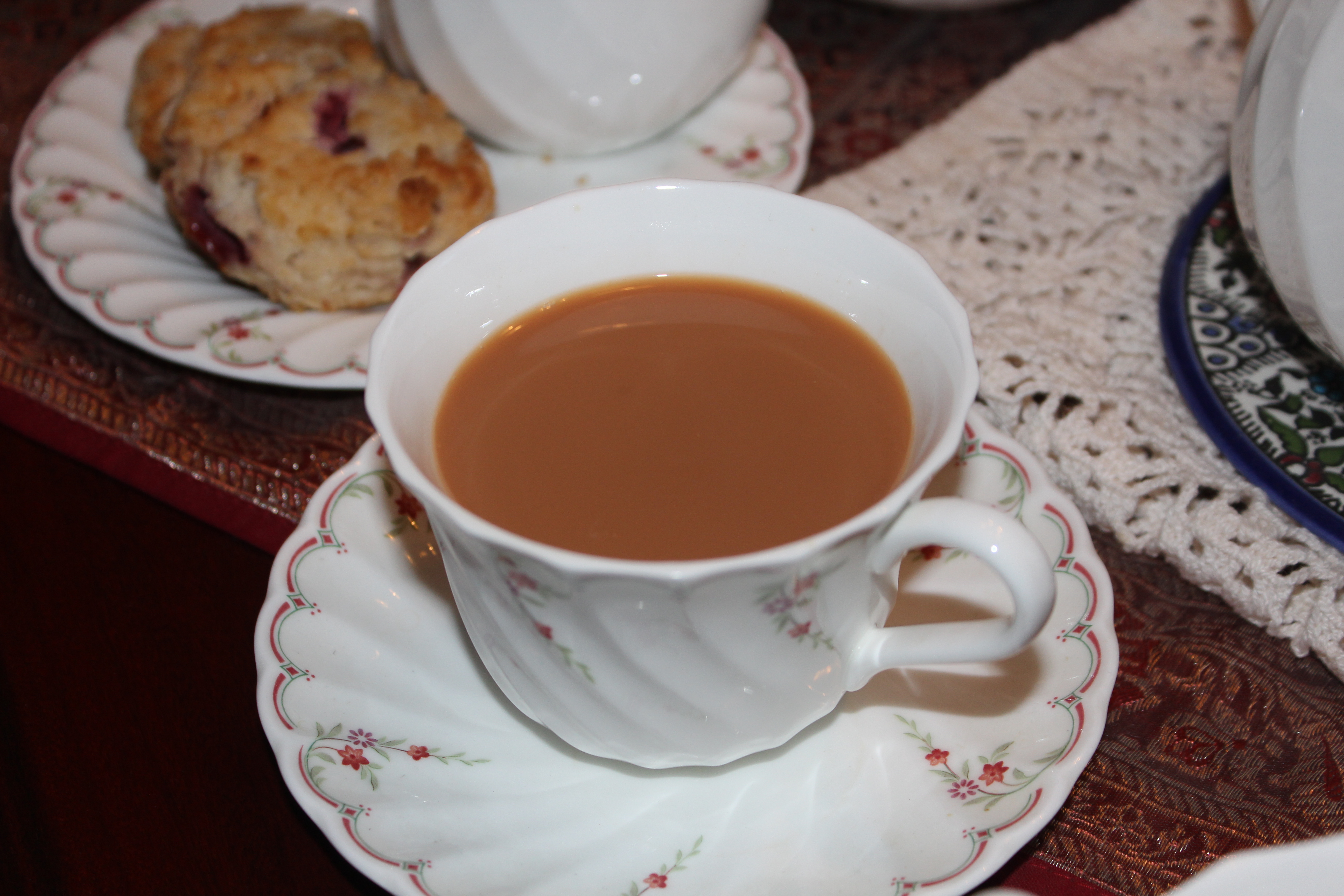
The rich mahogany color of masala chai!

The rich mahogany color of masala chai!

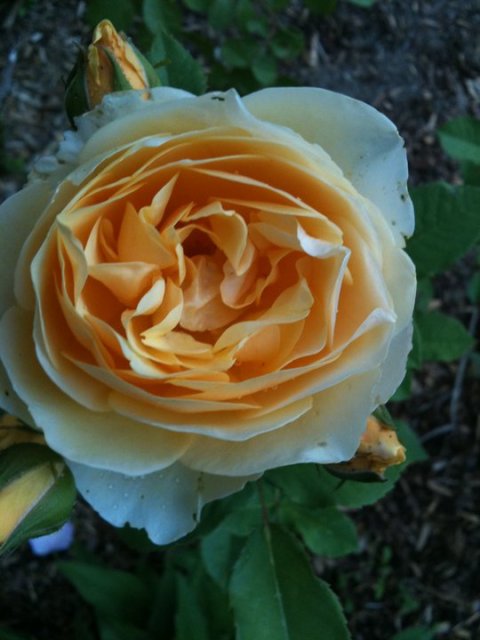
So there you have it. Tea for two shared over memories of red roses from my spring garden ..better than any hothouse bouquet. Hope you find your rose garden too.

A Rose on the Bush is better than a Dozen in your Hands!

Mini roses in casual disarray

A Rose on the Bush is worth a Dozen in your Hands!
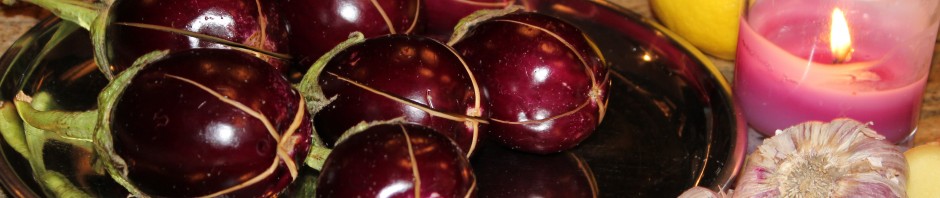
A Rose on the Bush is worth a Dozen in your Hands!

Posted in Baking, Family Life, FOOD, Humor, Spices, Vegetarian | Tagged , , , | 18 Comments

The Science of Sound

The Science of Sound


Sounds of Laughter, Shades of Life The birds do it. The bees do it too and so do you. An amazing range of animals generate sound: pressure waves caused by displacing the medium in which they travel.


Tiny Noisemaker You may think that’s the screaming baby across the airplane aisle, but human speech is at a comfortable 60 dB. The decibel, named after Alexander Graham Bell, is logarithmic in scale: an increase of 10 dB is actually ten times as loud. Anything above 85 dB is dangerously painful and the loudest sound tolerated by the human ear is 120 dB.  The loudest animal is the sperm whale at an ear-splitting 236 dB! But the prize for the biggest bang for buck goes to the lesser water boatman: perhaps in protest of its diminutive size and name, it is the loudest animal for its body size (see graph; listen here: http://goo.gl/BHKhl). Fortunately, the surrounding water dissipates 99% of its mating call or it would sound like a freight train hurtling by.  Shakespeare may dismiss life as a tale told by an idiot, full of sound and fury, signifying nothing , but to a female water boatman, the call of her mate is irresistible. Especially since he generates the sound by rubbing his…ahem.. sexual appendage against his abdomen. The lesser water boatman’s call is an example of runaway evolution since there is apparently no penalty paid for the price of loudness in his case.


Cheers to your Ears Astonishingly, the actual displacement of molecules in the air is tiny- about  11μm or 1/7th the thickness of a piece of paper at 120 dB! Did you know that the faintest sound the human ear can detect corresponds to a displacement of air molecules by ~1.1 x 10⁻¹¹ m, or 11 picometers– about 1/10 the radius of a mid-sized atom? Not only can the human ear detect vibrations with a sensitivity that spans six orders of magnitude, it can also detect sounds across nearly a 10 octave range of frequencies.


Movie Soundtrack : Across The Universe + Helter Skelter (Across The Universe)

Sounds of laughter, shades of life

Are ringing through my opened ears

Inciting and inviting me.

Limitless undying love, which

Shines around me like a million suns,

It calls me on and on across the universe


• Whacky video on how we hear: Fun Science: Sound

• Cool Info on Sound: http://www2.cose.isu.edu/~hackmart/soundwavesIengphys.pdf

#ScienceSunday  

Posted in Rajini Rao | Tagged | 101 Comments

The Cosmos: Macro versus Micro

The Cosmos: Macro versus Micro

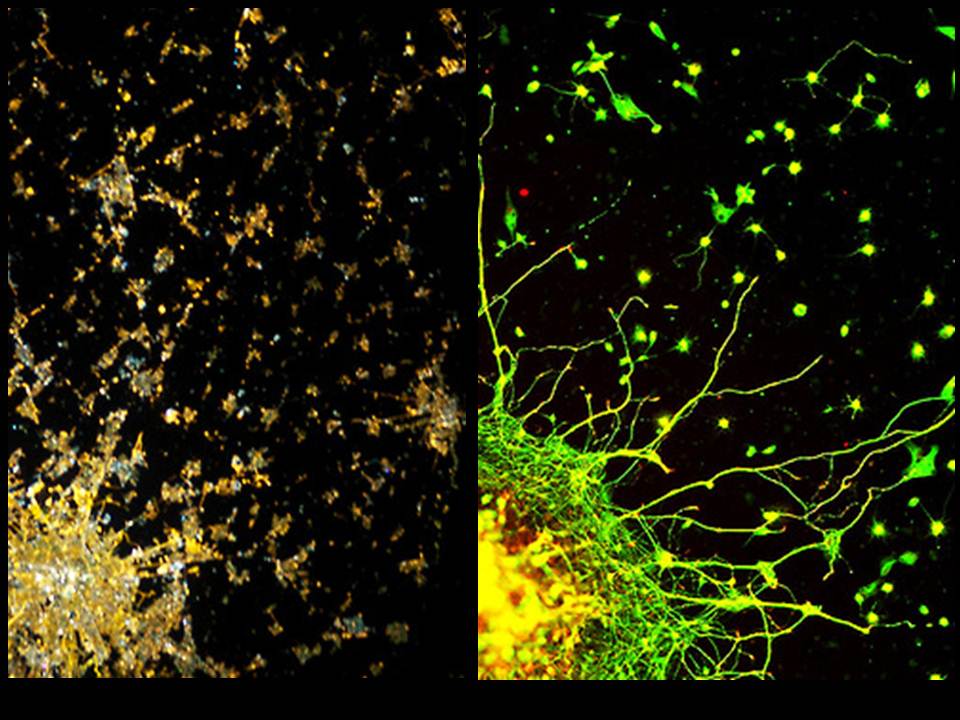
☼ The images on the left are night views of brightly lit metropolitan cities taken from the International Space Station. On the right, are fluorescent images of neurons. Like a neuron, the city seems to have a cell body, branching dendrites and a main axon like highway extending out.

☼ The ancient Greeks of the Neo-Platonic school of philosophy saw  the same patterns reproduced in all levels of the cosmos, from the largest scale (macrocosm or universe-level) all the way down to the smallest scale (microcosm or sub-sub-atomic or even metaphysical-level). In their philosophy, Man is in the middle.

☼ Did you know that the word cosmos (Greek, κόσμος) means “order” and is the conceptual opposite of “chaos”? In Mandarin Chinese, cosmos and universe are both translated as 宇宙 yǔzhòu, which means “space-time”.

“To see a World in a Grain of Sand

And a Heaven in a Wild Flower,

Hold Infinity in the palm of your hand

And Eternity in an hour.”

-William Blake

Source: http://infinity-imagined.tumblr.com/page/6

#ScienceSunday

Posted in Rajini Rao | Tagged | 185 Comments

Soldier Gets a Rare Double Arm Transplant

Soldier Gets a Rare Double Arm Transplant

Brendan Marrocco was on patrol in Iraq 3 years ago when an explosion claimed all four of his limbs. He was the first Army soldier to survive a quadruple amputation. Now, he is the first soldier to receive a very rare double arm transplant at the Johns Hopkins Hospital. He is 26 years old.

Logistics: The surgeons practiced four times on cadavers before the real thing. There were 4 teams of 3 surgeons each: one for each arm from donor and recipient. The deceased donor and living recipient do not need to match in gender, but in size, skin color, tissue and blood type.

How They Did it: First, the skin is peeled back and bones are sawed at an angle to dovetail into each other when attached  by metal plates- good carpentry, in essence. Next, the muscles and tendons are tagged with pieces of light blue sterile bandage that are sewn in place and labeled in permanent black marker, before being connected. The arteries and veins are painstakingly attached under a microscope, and finally the skin is sewn together.

What was New: Brendan was given an infusion of bone marrow from vertebrae in the donor’s lower spine. This lowered the chance of rejection and cut back on the use of potentially dangerous drugs.

Two Thumbs Up: Brendan’s nerves will grow into his new arms at a rate of an inch a month. In the one month since his landmark surgery, he can already move one arm around. Eventually, patients are expected to be able to “tie shoes, use chopsticks and put their hair in ponytails”. Brendan might consider growing his hair longer for that 🙂

Video and Story ▶ http://goo.gl/XFPse

#ScienceEveryday  

Posted in Rajini Rao | Tagged | 93 Comments