Viral Vectors Versus Viral Video: This video, going viral on G+, documents the case of a 7 year old girl with acute…

Viral Vectors Versus Viral Video: This video, going viral on G+, documents the case of a 7 year old girl with acute leukemia who was cured of her cancer last year, apparently by pitting one disease (cancer) with another (HIV-AIDS)! Breathless science enthusiasts are marveling at the justice of curing cancer with HIV!

• Actually, HIV is simply being used as a “vector” or carrier for gene therapy because it naturally binds to receptors on the target cells, in this case, T cells. Researchers can use different viruses to target different cells by matching infectious viruses with their natural hosts. Of course, only the viral shell is used, with viral genes being replaced by the genes of choice; that is, the virus is crippled, and cannot cause disease (AIDS).

• The idea is to introduce a gene (“chimeric antigen receptor”) into immune T cells that would make them seek out and destroy the cancer cells. The T cells are removed from the patient, the gene is introduced into them via the modified HIV carrier, and then injected back into the patient. More recently, this method was used with heartwarming success on adults with leukemia for whom chemotherapy failed : http://goo.gl/7SWVN

• Sensationalistic titles, such as Fighting Fire with Fire are misleading and unnecessary. The HIV carrier is the least interesting part of the story, in my opinion. T cell therapy is promising and newsworthy without the hype.

Abstract: http://stm.sciencemag.org/content/5/177/177ra38

#ScienceSunday  

Posted in Rajini Rao | Tagged | 62 Comments

A Vaccine for Addiction: For the 1.

A Vaccine for Addiction: For the 1.9 million cocaine users in the US alone, addiction is a problem for which no FDA-approved therapy exists. Now, a vaccine effective on primates is ready for human trials.

● Cocaine blocks the recycling of dopamine so that it accumulates in the brain, prolonging and amplifying signaling in reward centers to generate that pleasurable “high”. Over time, dopamine receptors (pink buckets in image) decrease, requiring higher doses of cocaine and causing a vicious cycle of dependence. There are drugs that interfere with cocaine’s action but they alter these important signaling pathways and have side effects.

The Cocaine Vaccine  triggers an immune response to the drug, that “eats up the cocaine in the blood like a little Pac-Man before it can reach the brain,” says Dr. Ronald G. Crystal, of Weill Cornell Medical College.  The trick is to chemically link a cocaine analog to the common cold virus so that the body is tricked into making antibodies. The virus is crippled and cannot cause an infection. To feel the drug high that cocaine users seek to achieve, at least 47 percent of the dopamine transporter needs to be occupied by cocaine. The vaccine reduces this occupancy to 20% so the user fails to achieve the cocaine high.

Story: http://rt.com/usa/cocaine-vaccine-drug-pacman-219/

Free PubMedCentral Read: http://www.ncbi.nlm.nih.gov/pmc/articles/PMC3048190/

Image: Left, Mechanism of Cocaine at the Synapse (http://goo.gl/ZCk4K), Right, Effect of anti-cocaine vaccine on non-human primate brain, taken from Maoz et al., Neuropsychopharmacology. 2013 May 10. doi: 10.1038/npp.2013.114. Epub ahead of print)

#ScienceSunday  

Posted in Rajini Rao | Tagged | 109 Comments

Get It While It’s Hot

Get It While It’s Hot

Originally shared by Science on Google+

Smokin’ Science Circle

We took 500 active profiles from the  Science on Google+: A Public Database and put them into this circle.  Be careful, this circle is smokin’ hot! #scienceeveryday    

Don’t forget to check out the Science on Google+ Community: http://goo.gl/mTTxX

Database

Search Communities: http://goo.gl/Rvyez

Search Pages: http://goo.gl/WCohT

Search Profiles: http://goo.gl/Yz8KR

Add Profile or Page to Database: http://goo.gl/yEg7M

Add Community to Database: http://goo.gl/zh0xJ

Posted in Rajini Rao | Tagged | 15 Comments

Tighten Your Belt : Cells that line the surfaces and cavities of  your body are packed tightly together, like bricks…

Tighten Your Belt : Cells that line the surfaces and cavities of  your body are packed tightly together, like bricks in a wall. Your skin, the lining of your mouth or stomach, or blood vessels are springy..pulling back when stretched. How do they stay in shape?

⇛Scientists have discovered that each cell has a tiny belt that acts like a rubber band. Cables, made of actin filaments (in red) are crosslinked and connected together by alpha actinin (blue). The overlapping fluorescent signals color them purple in the image. Motor proteins, known as myosin (green), power this belt and keep it taut. They do this by pulling on the interdigitating cables so that they slide past each other. A variation of this same assembly makes your muscles contract!

⇛Notice the beautiful symmetry in the arrangement of these molecules all around the cell. Even the junctions, where three cells meet, maintains its ordered arrangement of cables and motors. This brought to mind the poet Blake (1757–1827):

“Tiger, tiger, burning bright

 In the forests of the night,

 What immortal hand or eye

 Dare frame thy fearful symmetry?”

⇛Reference: Ebrahim et al., 2013 NMII Forms a Contractile Transcellular Sarcomeric Network to Regulate Apical Cell Junctions and Tissue Geometry. Current Biology ▶ http://goo.gl/Pwp7F

#ScienceEveryday  

Posted in Rajini Rao | Tagged | 42 Comments

Bacterial Art: The History of Petri

Bacterial Art: The History of Petri

✺ Today’s Google Doodle marks the birthday of Julius Petri (1852–1921) whose name is associated with the ubiquitous Petri dish found in every microbiology laboratory, from high schools to research universities. In the late 1800’s, Petri was working for the “father of germ theory”, Robert Koch. At the time, bacteria were cultured in liquid broth. Koch realized the advantage of using solid medium: if diluted sufficiently, individual cells could be spread apart so they could divide in place and form distinct colonies. Koch could then isolate different organisms that gave rise to diphtheria, tuberculosis, cholera and other diseases.

✺ At first, Koch placed the bacteria on puddles of gelatin along the insides of the flask, which could be accessed by a narrow opening. Petri realized that spreading the gelatin on a flat plate with a lid was much more convenient. And history was made!

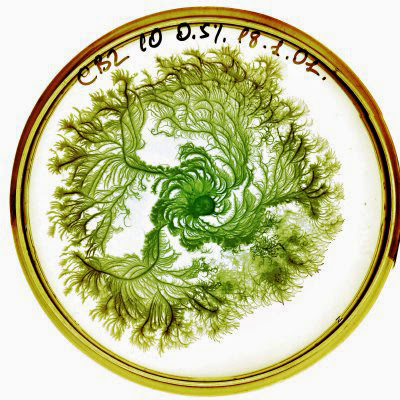
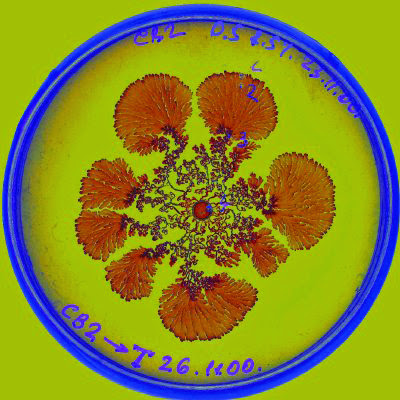
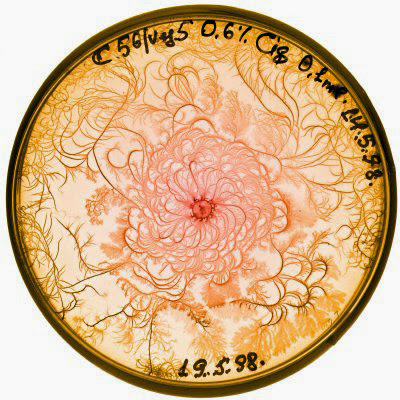
✺ The humble Petri dish has inspired some beautiful art. The plates below were cultured in the laboratory of Professor Eshel Ben-Jacob (Tel Aviv University). You can admire the fractal fronds of microbes ▶ http://goo.gl/n4aky

✺ Share your petri dish trivia and stories here for #ScienceEveryday !

Posted in Rajini Rao | Tagged | 46 Comments

Patterns in Nature

Patterns in Nature

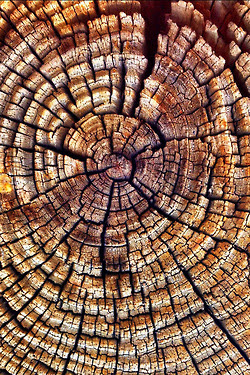
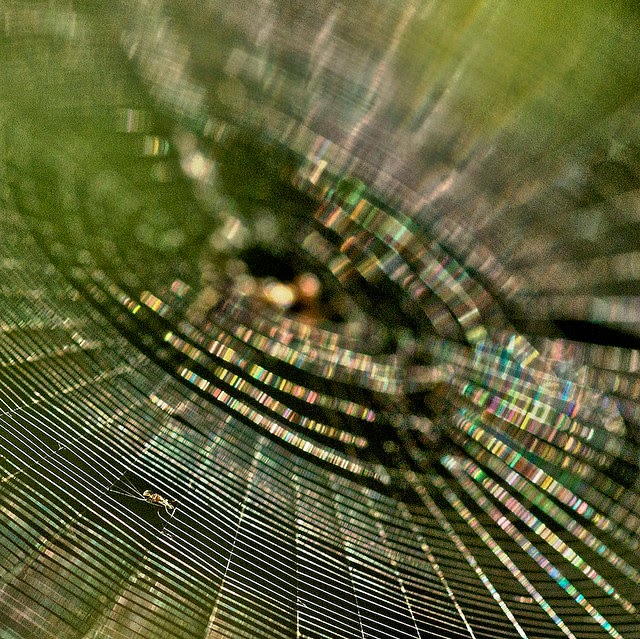
Concentric tree rings. Shattered glass. A distant galaxy. The ribs of a lily pad. Why do our eyes spy the familiar pattern of a spiderweb in each?

The human brain is a superb pattern analysis machine. In his book The Ravenous Brain, Cambridge neuroscientist Daniel Bor explains, “We cannot help actively searching for patterns — any hook in the data that will aid our performance and understanding. We constantly look for regularities in every facet of our lives, and there are few limits to what we can learn and improve on as we make these discoveries. We also develop strategies to further help us — strategies that themselves are forms of patterns that assist us in spotting other patterns..” There is a downside to this hunger for patterns. We often jump to conclusions, when there are none. Pareidolia, anyone?

Quote Source: http://www.brainpickings.org/index.php/2012/09/04/the-ravenous-brain-daniel-bor/

Images, in no particular order: Spider galaxy IC342 (http://goo.gl/NN0St), shattered glass (Michael Chase), spider web (Jacki, http://goo.gl/9TRSH), Giant Amazonian Water Lily Leaf (unknown), tree ring cracks (unknown).

#ScienceEveryday  

Posted in Rajini Rao | Tagged | 66 Comments

Springing into Green: Collards and Chard

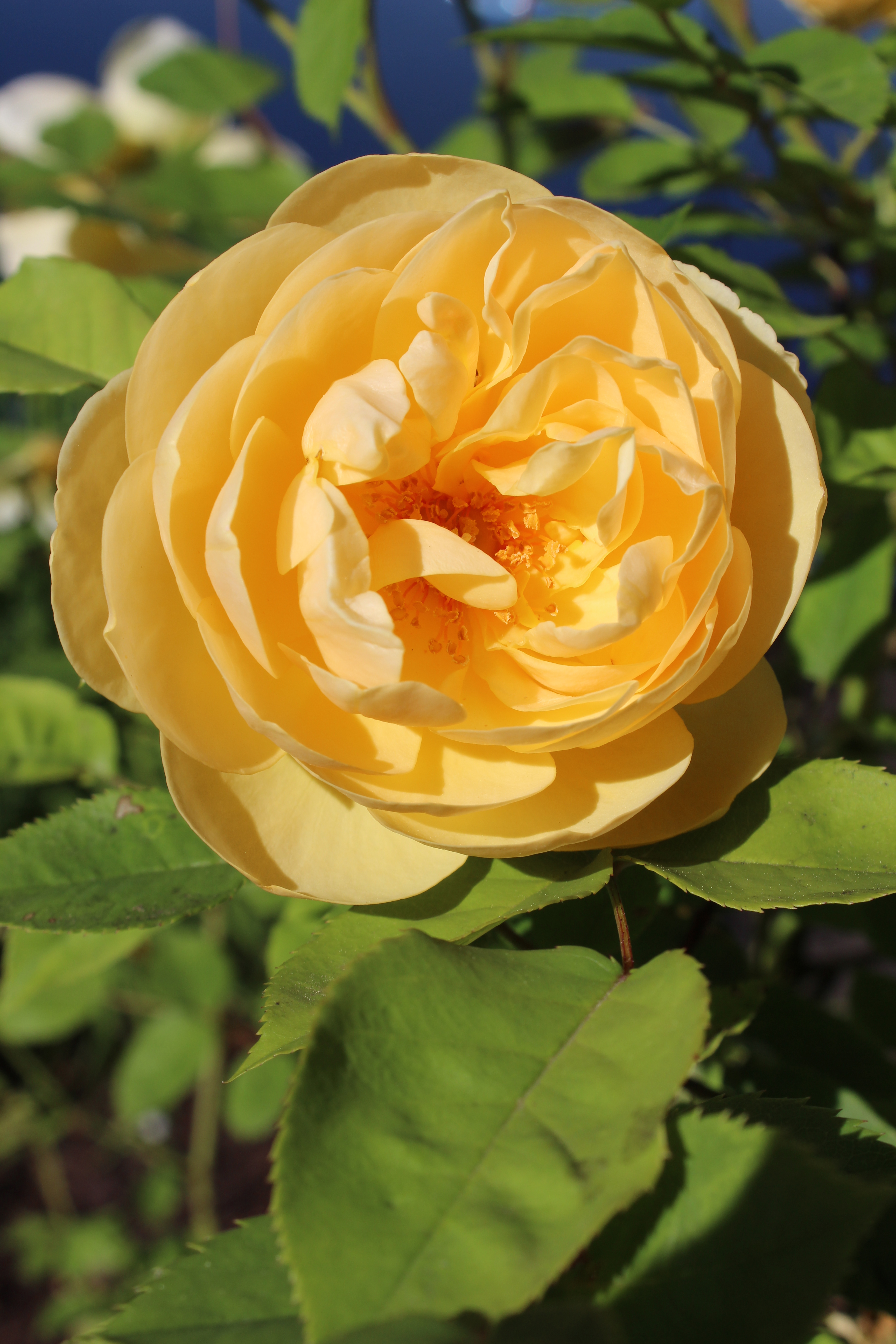
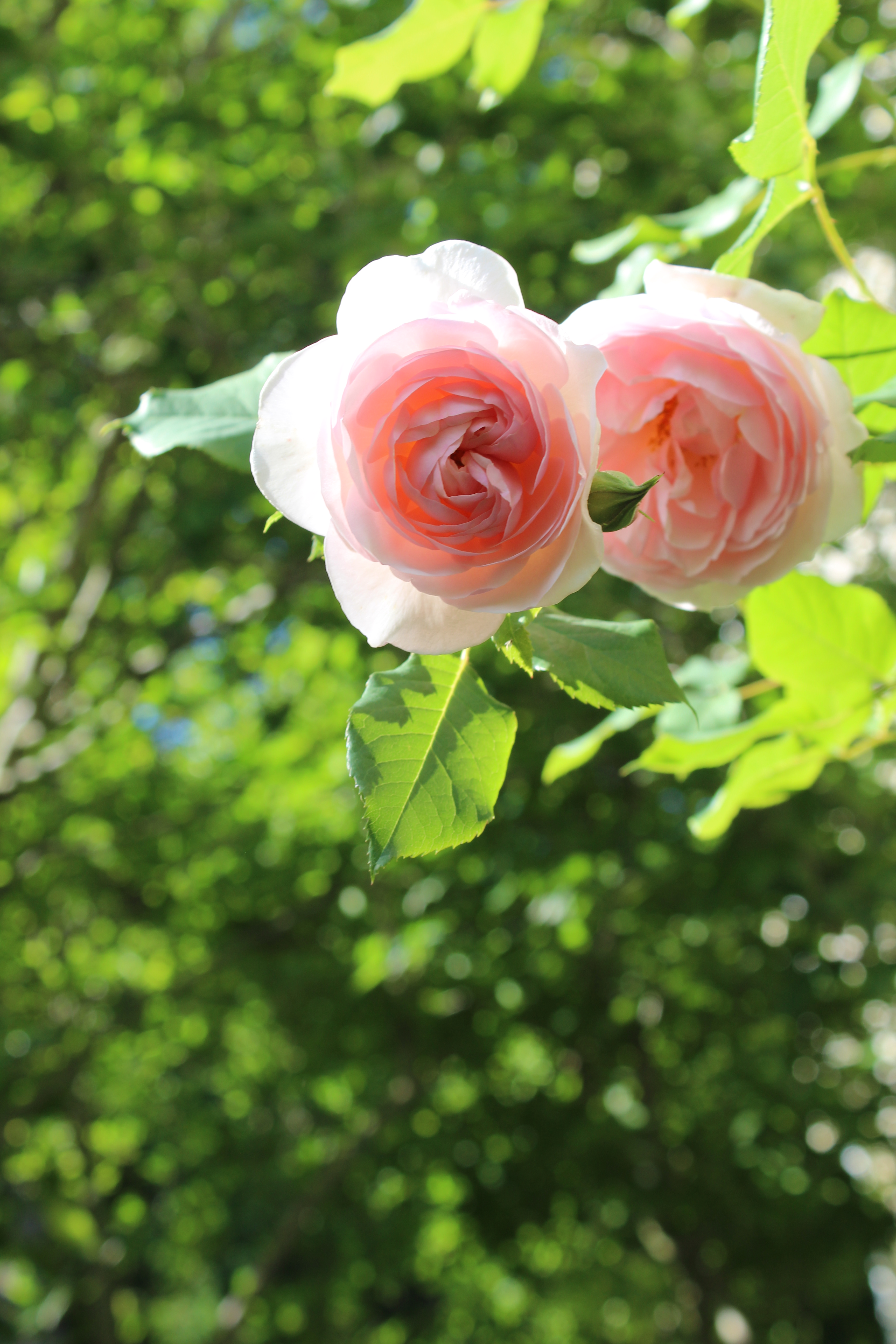
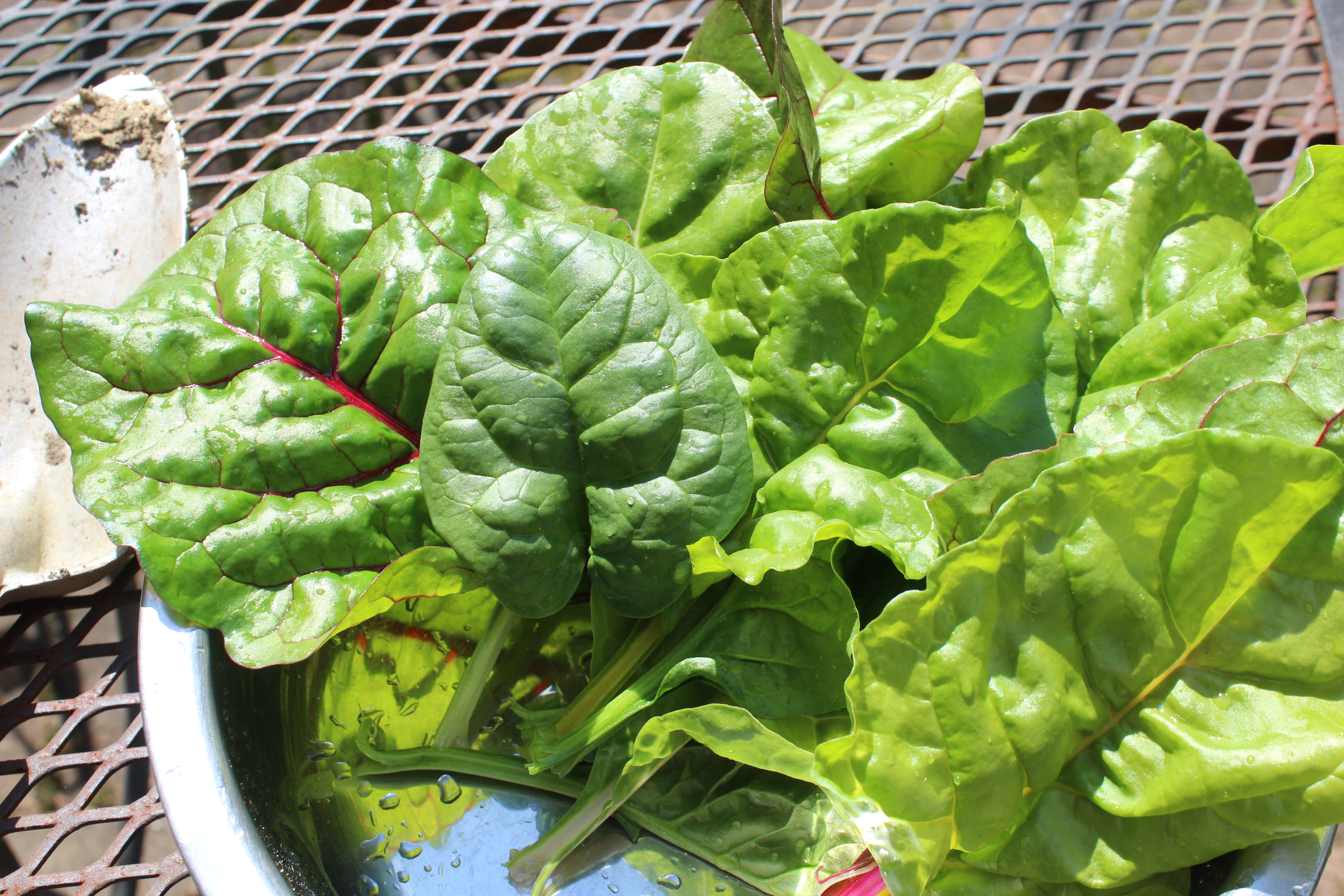
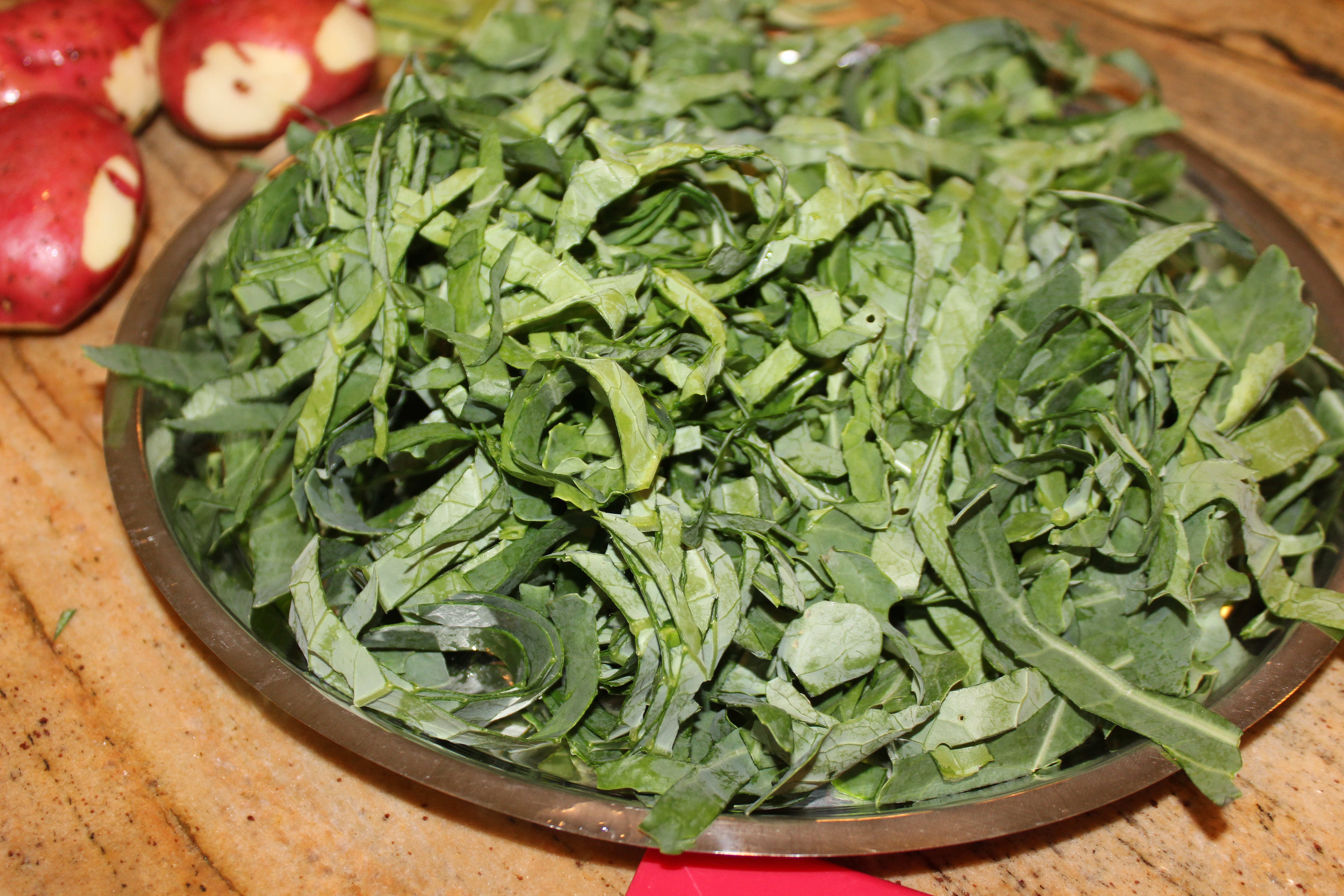
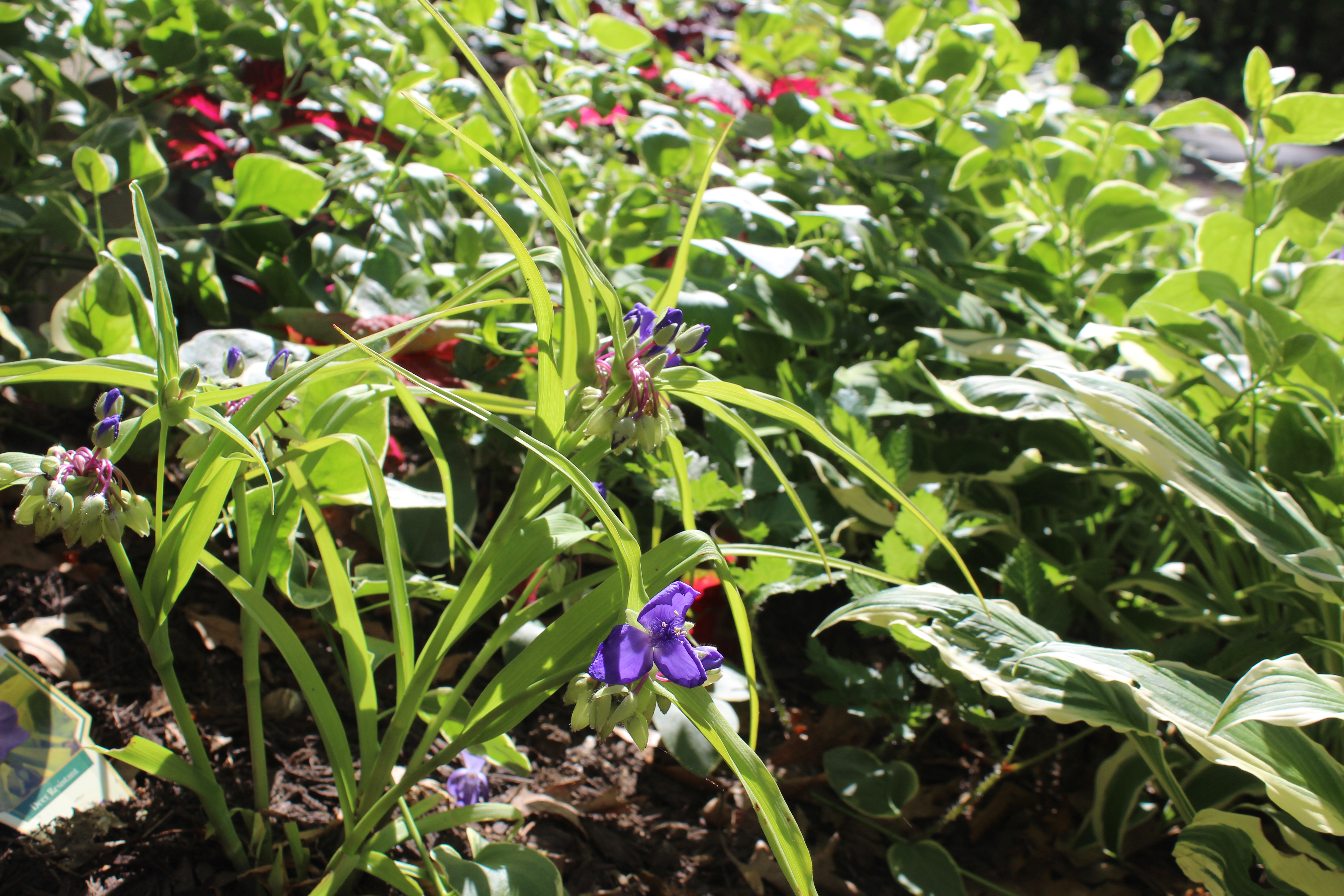
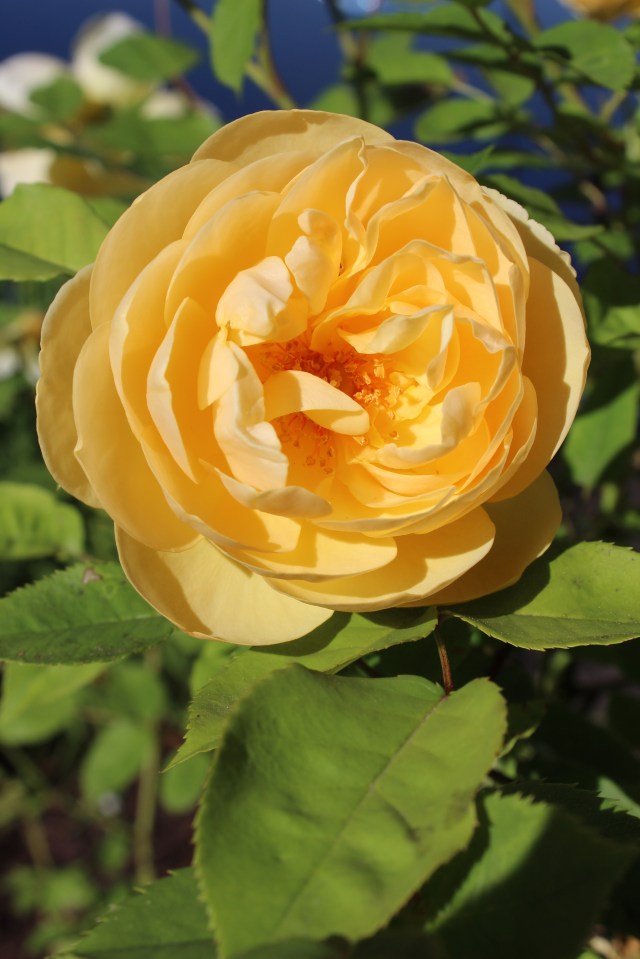
IMG_2404There is a brief window in spring when my Maryland garden is lushly verdant. When the so-called lawn springs joyously forth, requiring Benny and his boys to mow maniacally over it every five days. When the bunnies boldly brave the prowling neighbor’s cat to nibble on the emergent lilies to my great ire, prompting me to rethink my vegetarian diet. When the foolishly delicate David Austin roses bloom all-too-briefly in this hopelessly non-English garden, before the voracious Japanese beetles arrive and the sun burns off all but the most plebian of the Black Eyed Susans. Before the crescendo of the emergent 17 year Magicicadas drowns out any pretense of genteel patio conversation. IMG_2418IMG_2416IMG_2412On such a day as this, we harvested spring greens from our backyard patch. Sturdy collard leaves, Swiss Chard with their comically colored bright stalks of yellow and red, darkly green spinach.
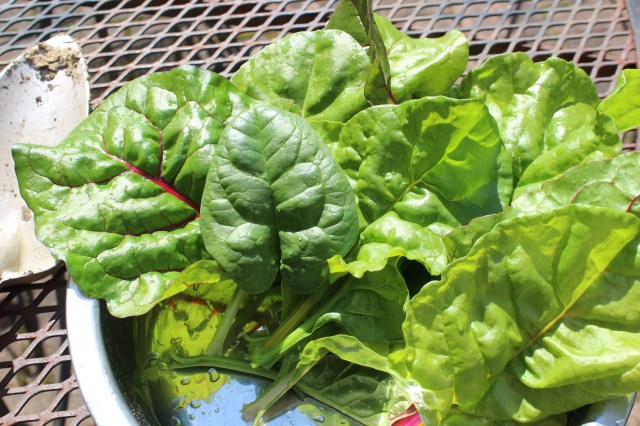
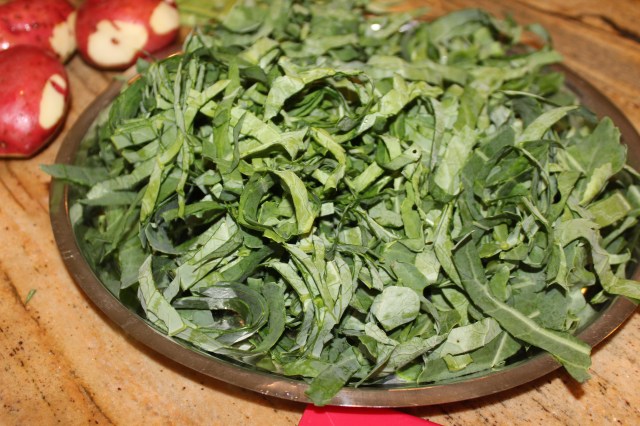
IMG_2371Fold the washed leaves in half, and pull/slice out those pretty stalks unless they are really tender. Then layer, roll lengthwise and slice through to make a chiffonade of fresh ribbon-like greens.
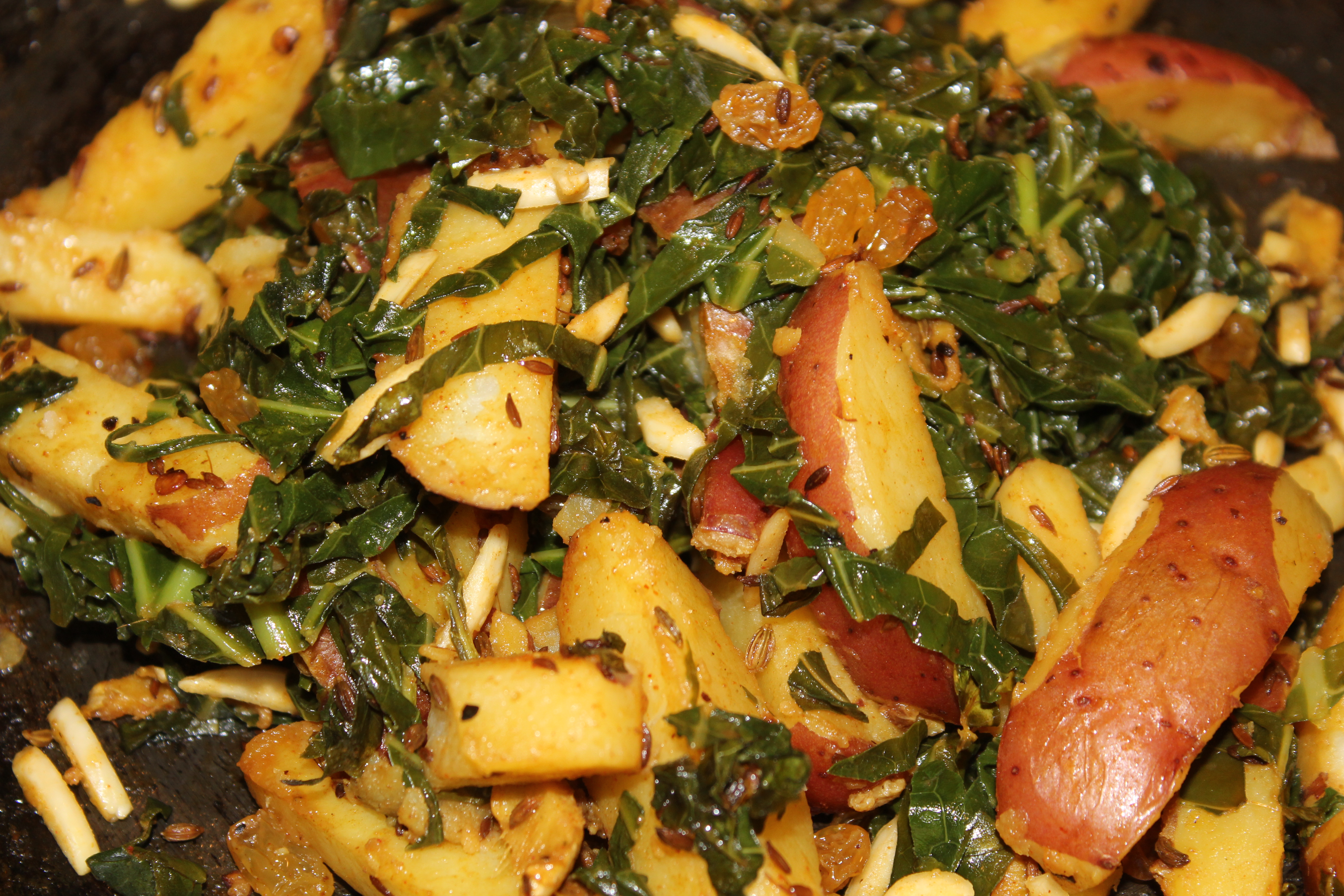
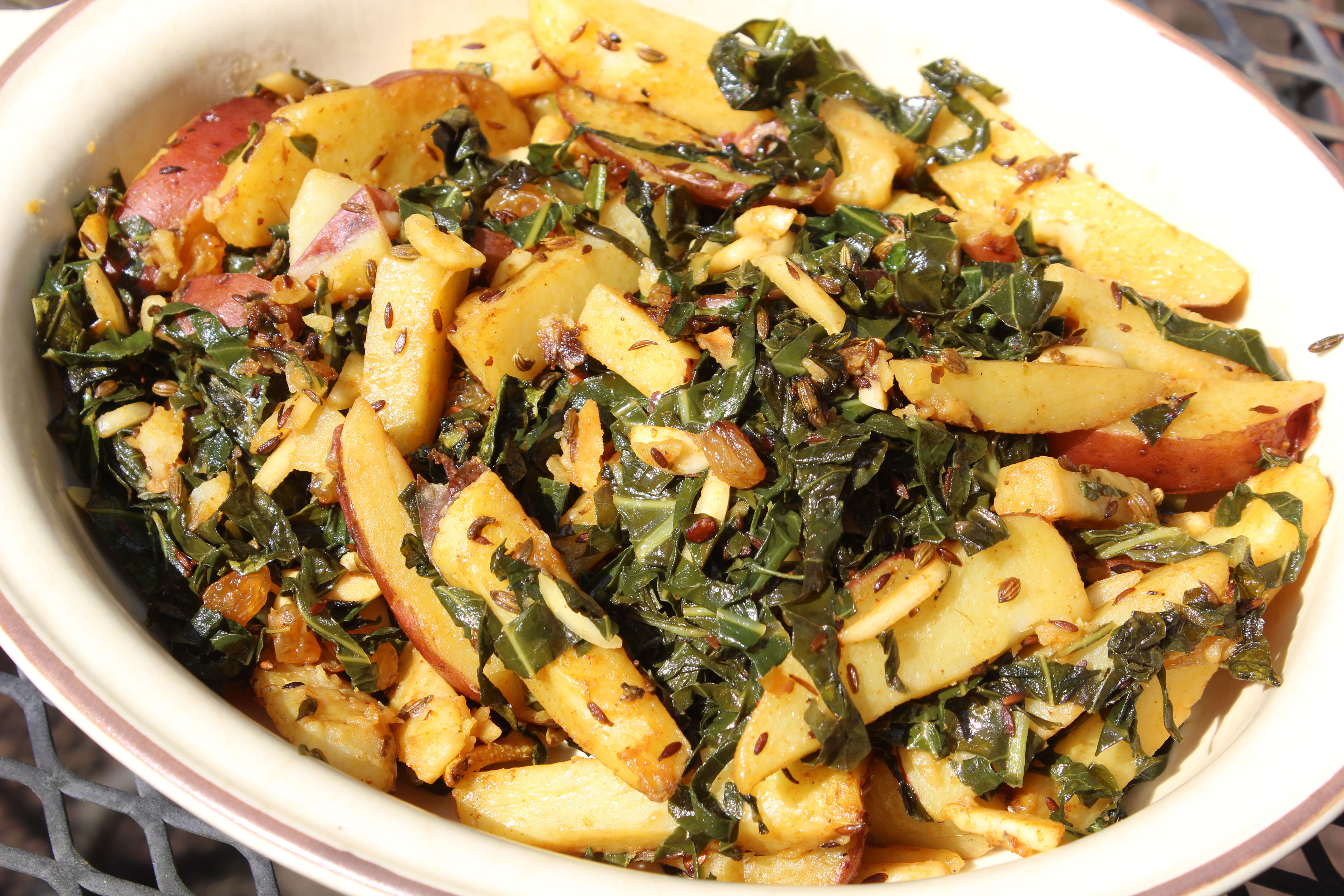
IMG_2375Collard Greens with Cumin Potatoes

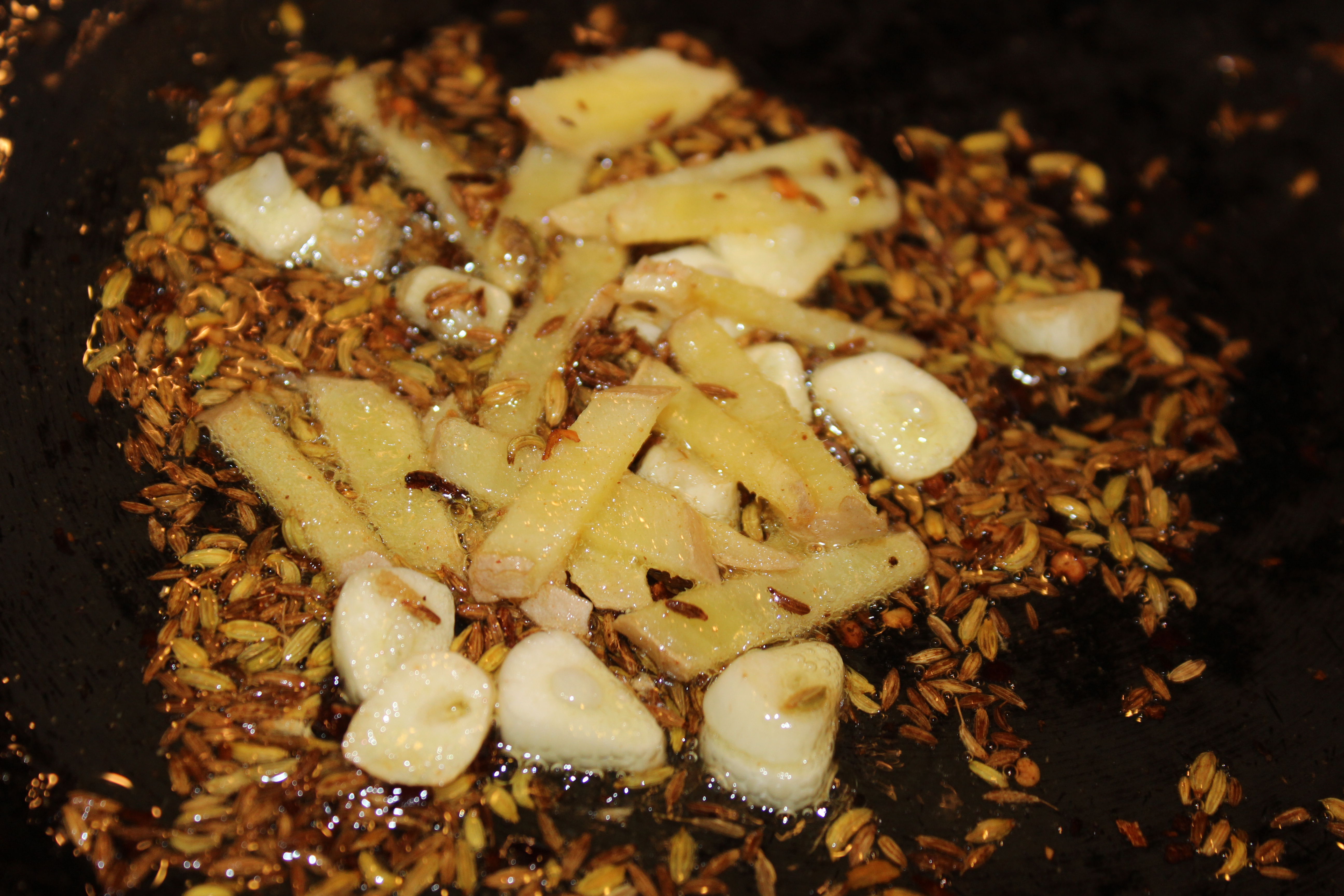
Not being Paula Deen, I was not going to ham hock the living daylights out of these innocent botanical beauties, boiling them blandly for hours with only salt and pepper for company. Instead, I began by flavoring a couple tablespoons of hot oil with a satisfying sizzle of cumin seeds, fennel seeds and crushed red pepper flakes. To this, I quickly added some slivered ginger and sliced garlic.
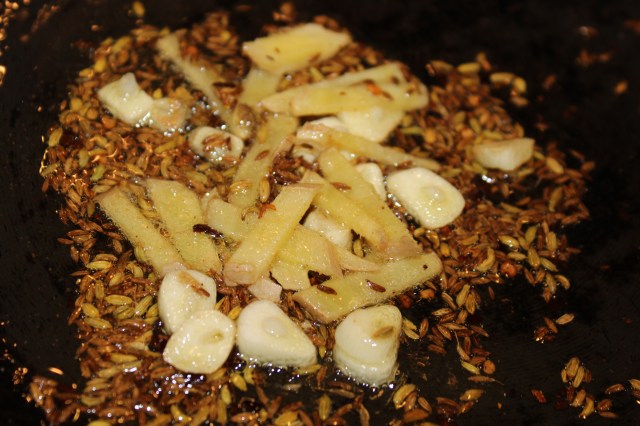
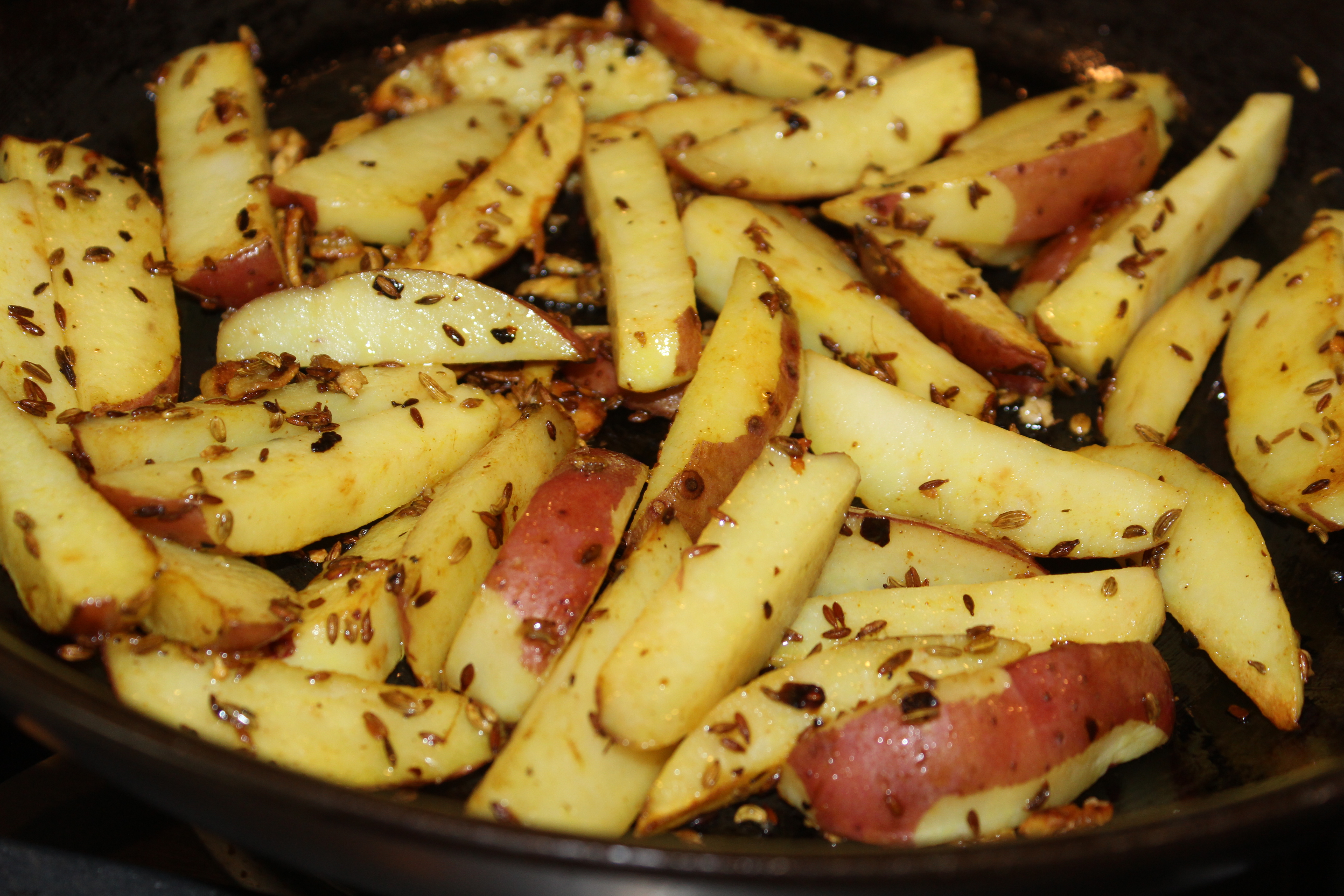
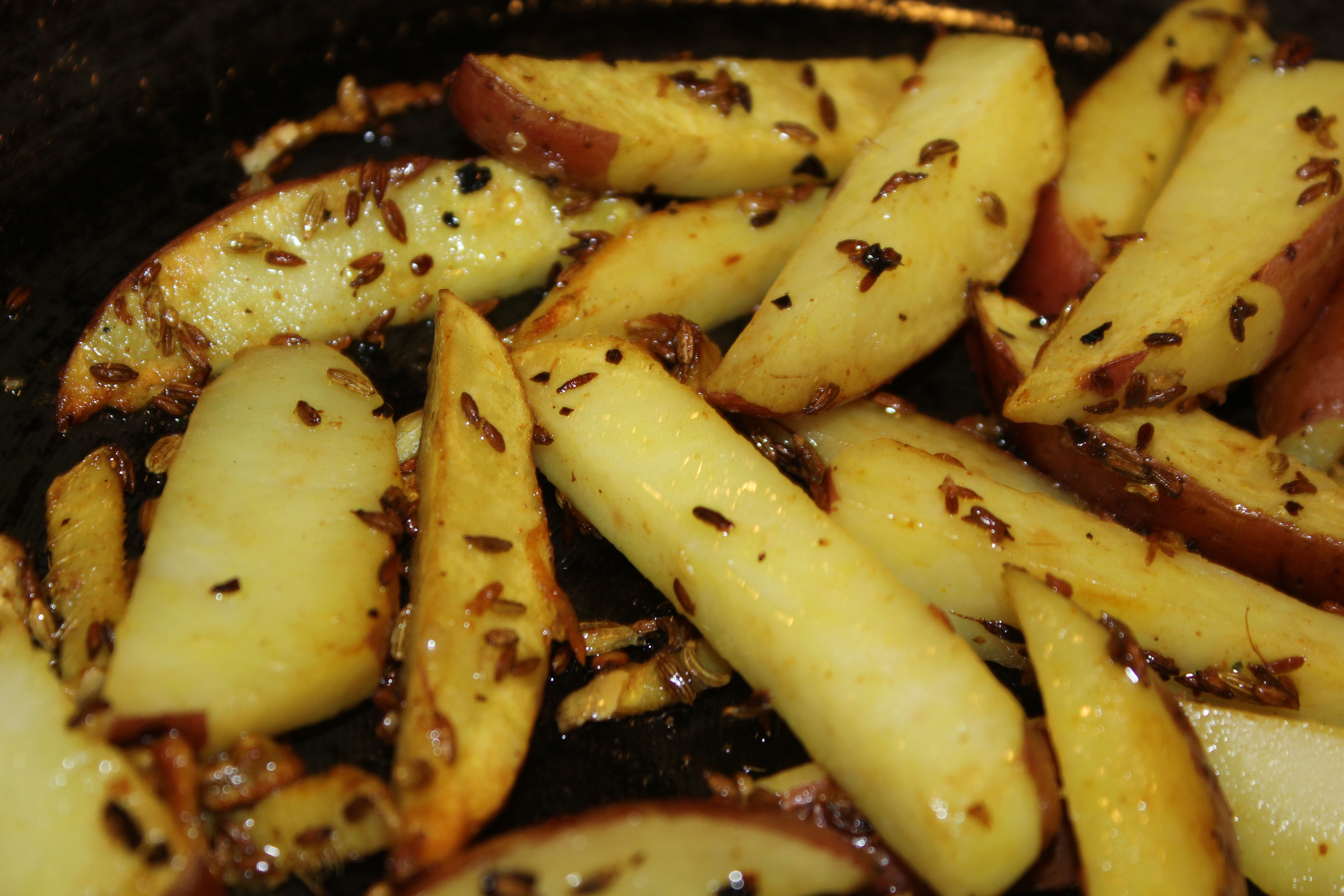
IMG_2377Next, I added lengthwise-sliced potatoes. I used three medium sized red ones. Tossed them in the spices and flavored with a big pinch of turmeric and coarse salt. Covered and cooked on low until the potato slices were nearly done, crispy and slightly browned on the outside.
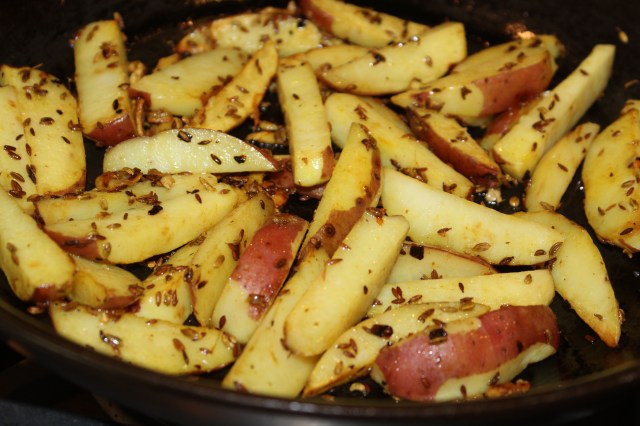
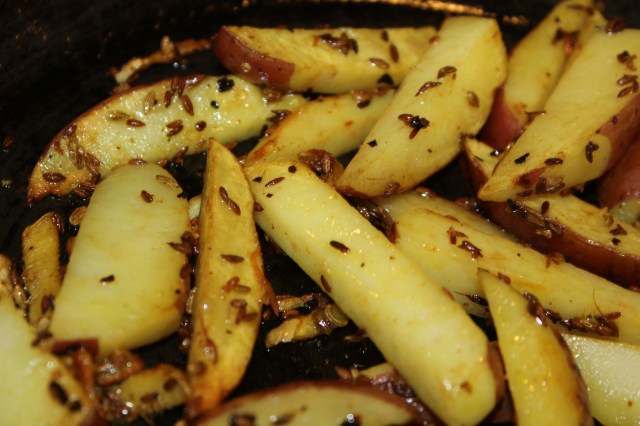
IMG_2380IMG_2381Add the sliced collard greens, toss and cover for about 5 minutes on medium-low heat. If you need to, add about a quarter cup of water at this point.
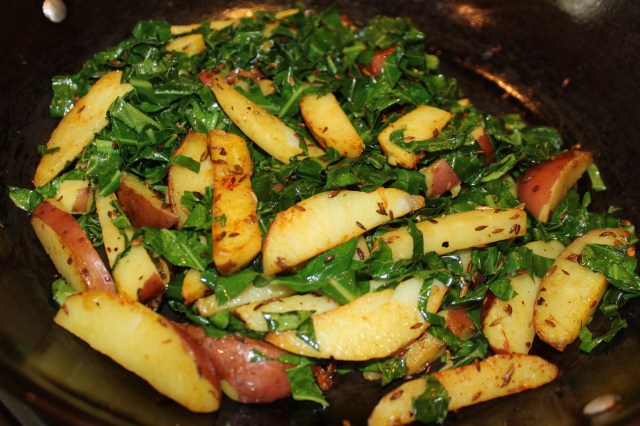

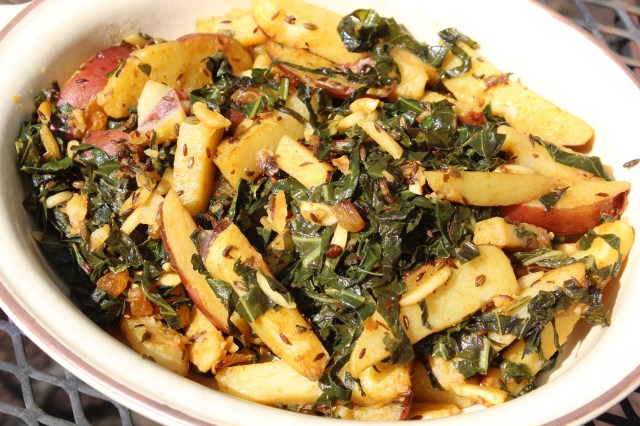
IMG_2382IMG_2386Layer on your favorite spice mix: I have an ongoing love affair with Tagine spice, so that’s what I used. Squeeze some fresh lemon juice over it all. At the last minute I tossed in a handful of golden raisins and sliced almonds. Why? Because they were there. If George Mallory could set forth for Mt. Everest “because it’s there“, surely I may be permitted to ad hoc my ham-hockless collard greens sans Deen? 🙂 This was so good that my 14 year old picked off collard festooned potato wedges every time he found an excuse to walk by.
IMG_2388

Dal Puree with Tomatoes and Chard

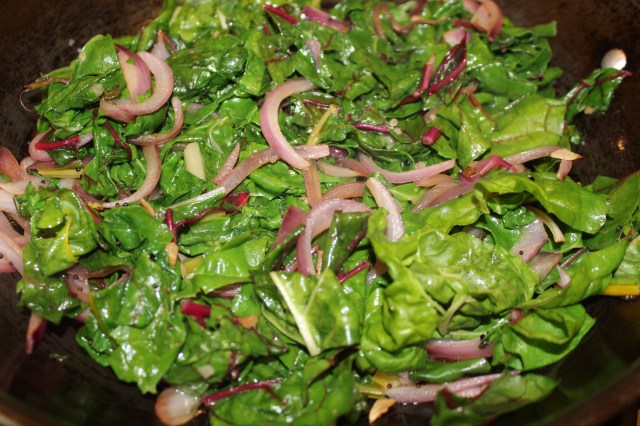
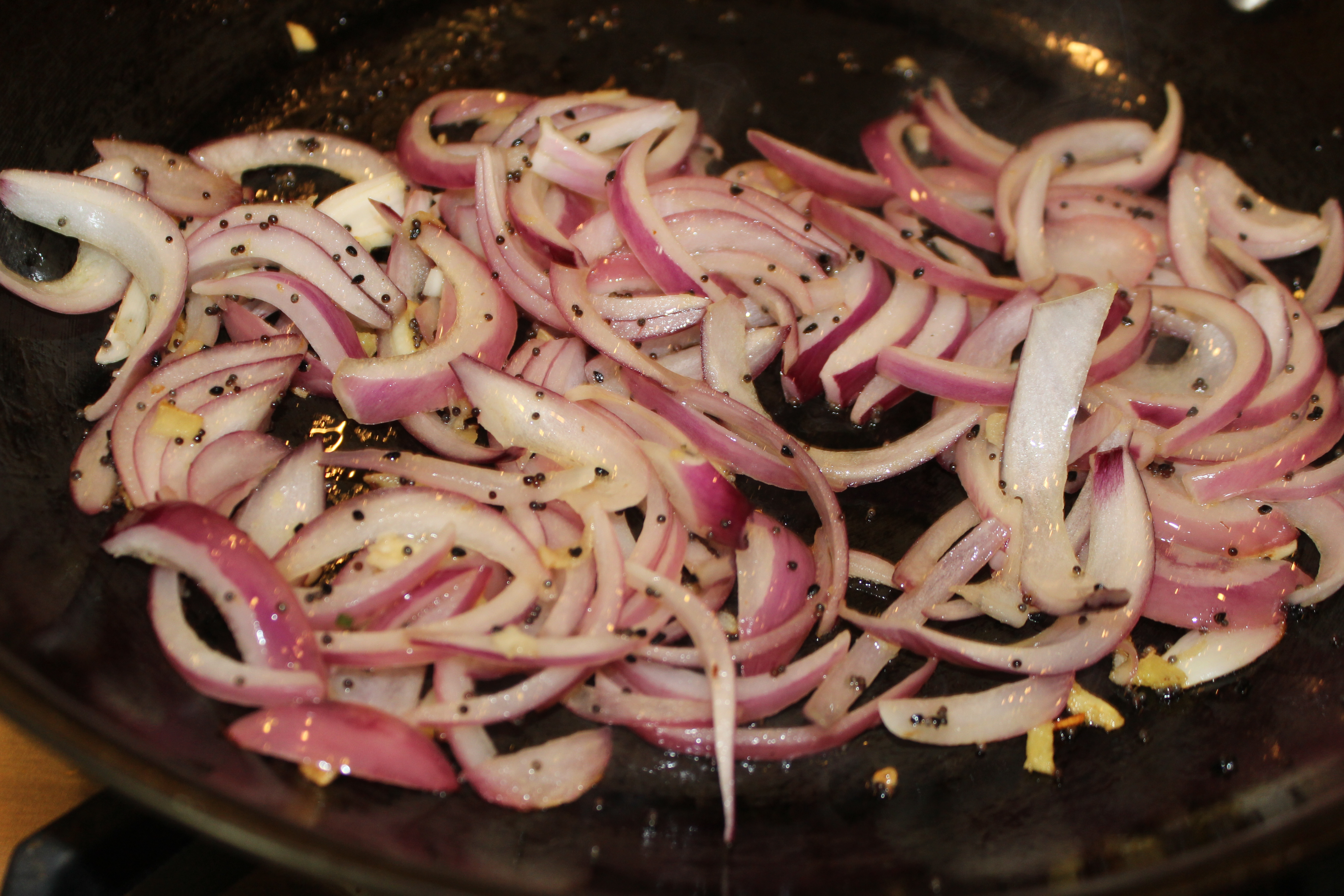
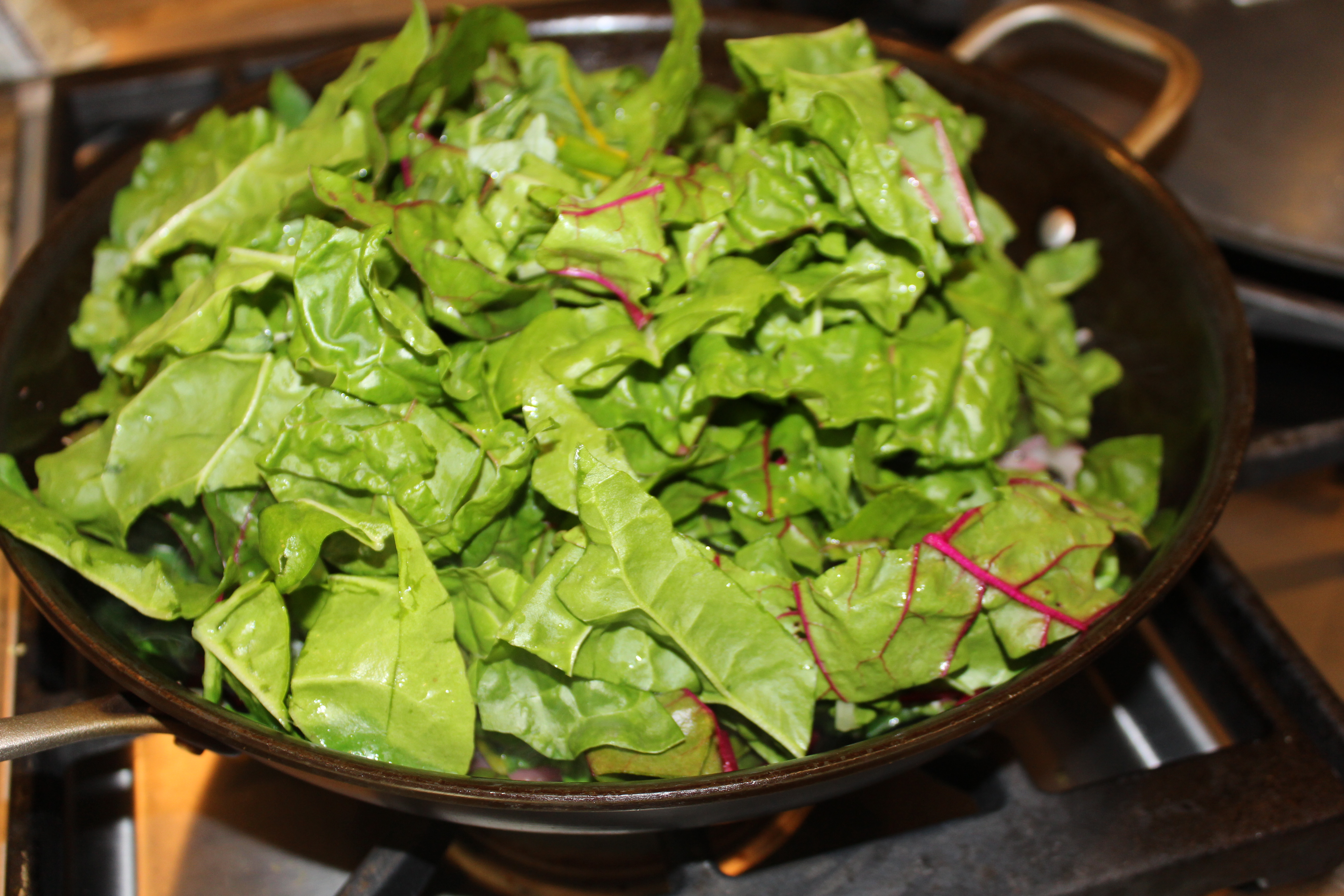
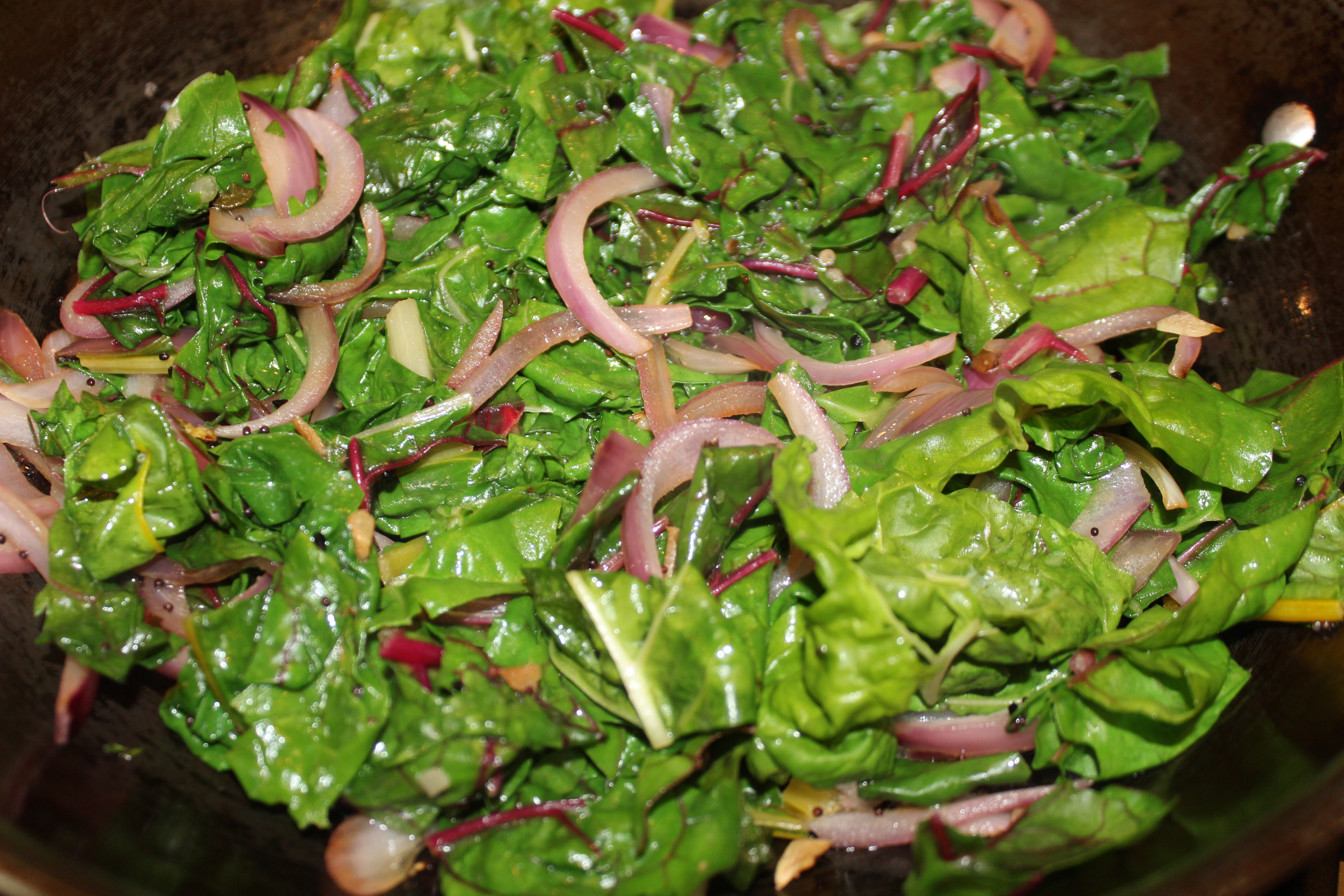
I made this dish because I had some pre-cooked mix of lentils (split urad dal and mung dal) languishing in the refrigerator. This time, I added black mustard seeds and nigella seeds to a tablespoon of clarified butter or ghee. These infuse a slight bitterness and texture to the smoothness of the dal. When the mustard seeds popped, I added a sliced red onion and tossed it on high heat. The shredded chard was mounded on, but it quickly collapsed into a more manageable mass.
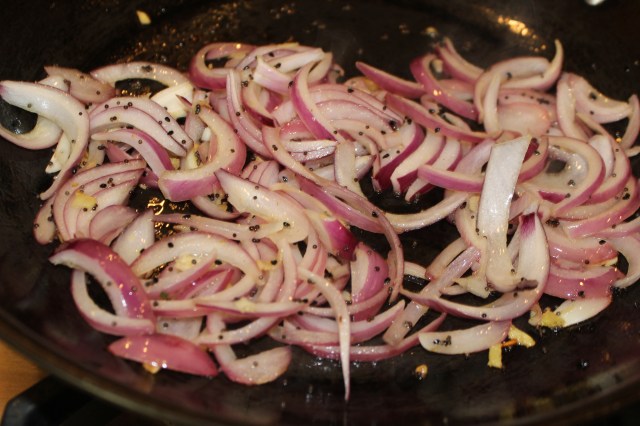
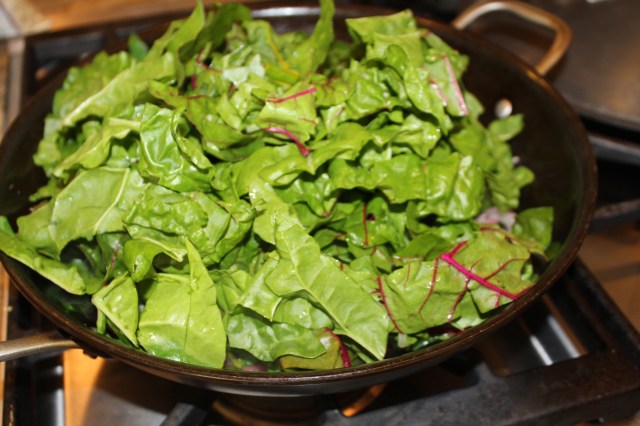
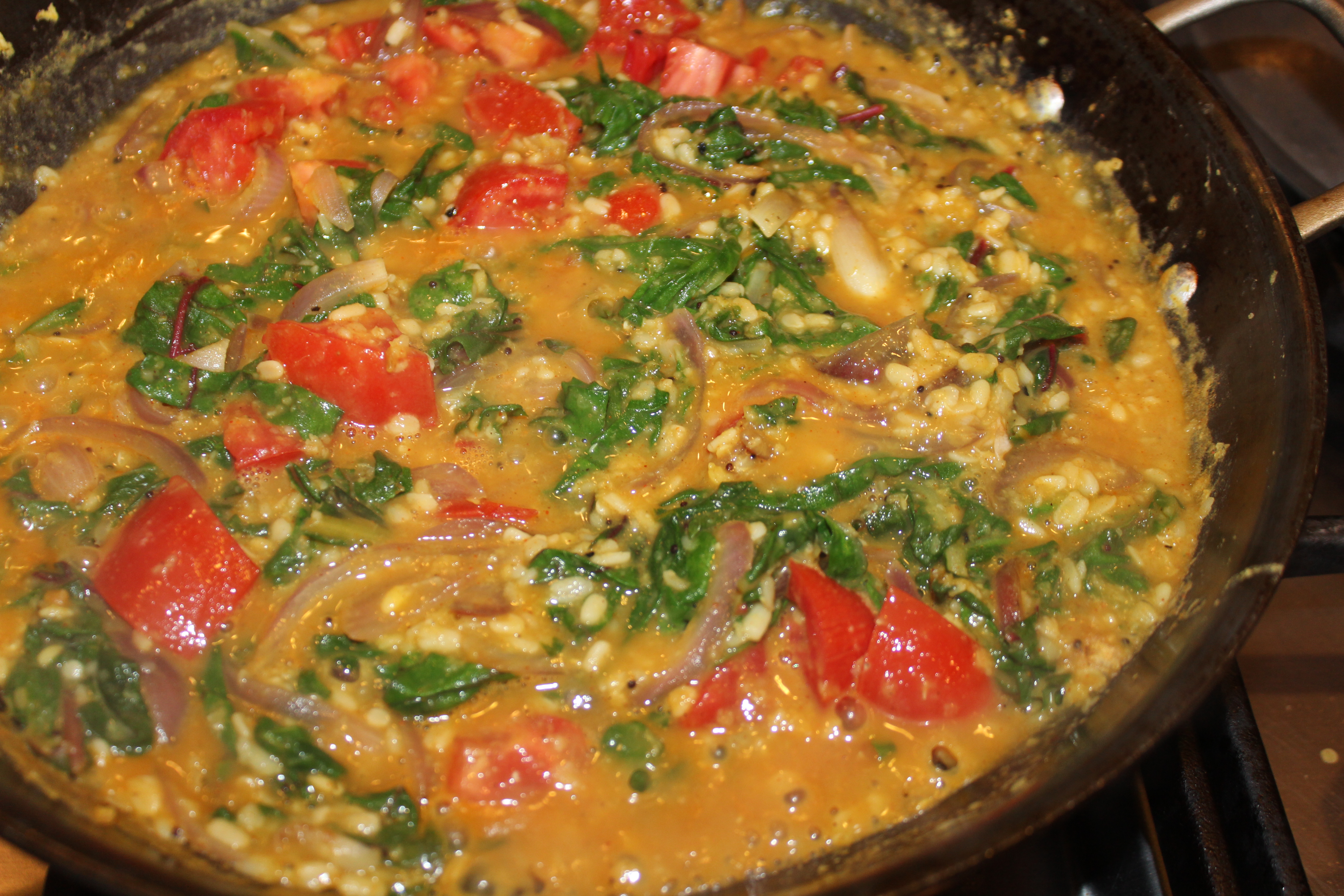
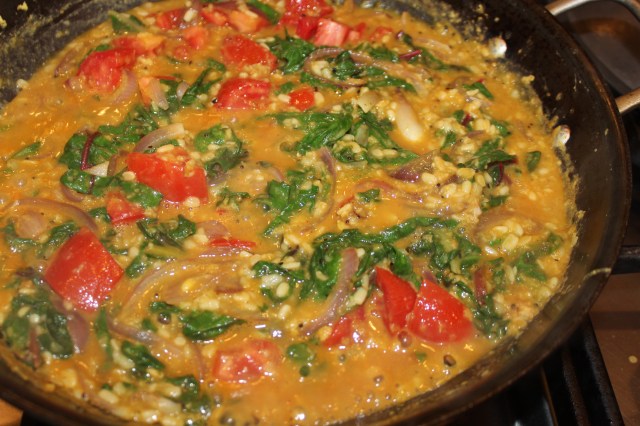
IMG_2392IMG_2396IMG_2397Next, I added the cooked dal, a couple of diced tomatoes and flavored it all with salt, turmeric and ras al hanout, which is really a fancy Moroccan version of garam masala. This also received the benediction of freshly squeezed lemon juice at the very end.
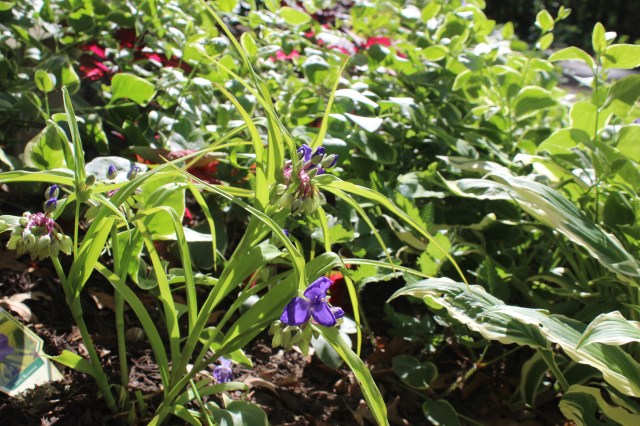
IMG_2399I would have tossed in some chopped cilantro from our herb patch but our neighbor spied a black rat snake slithering amongst them yesterday. So I passed, despite all logic and the knowledge that my husband had heroically transported the serpent, dangling from a stick, into the blessedly vast woods behind. There are some benefits to winter, after all.
IMG_2406

Posted in FOOD, Garden, Indian food, Spices, Vegetarian | Tagged , , , , , | 10 Comments

Patterns in Nature

Patterns in Nature

Can you guess what this is? If you do, tell us one interesting fact about it or share your thoughts (try not to give the game away)!

Here’s one: This creature can detect infrared (thermal) radiation through heat sensitive ion channels that trigger firing of nerve fibers with accuracy >0.001 °C.

Source: http://500px.com/photo/1539213

#ScienceEveryday  

Posted in Rajini Rao | Tagged | 146 Comments

Fungus Among Us : Now that we’re finally comfortable about the microbiome in our gut, here comes news that our body…

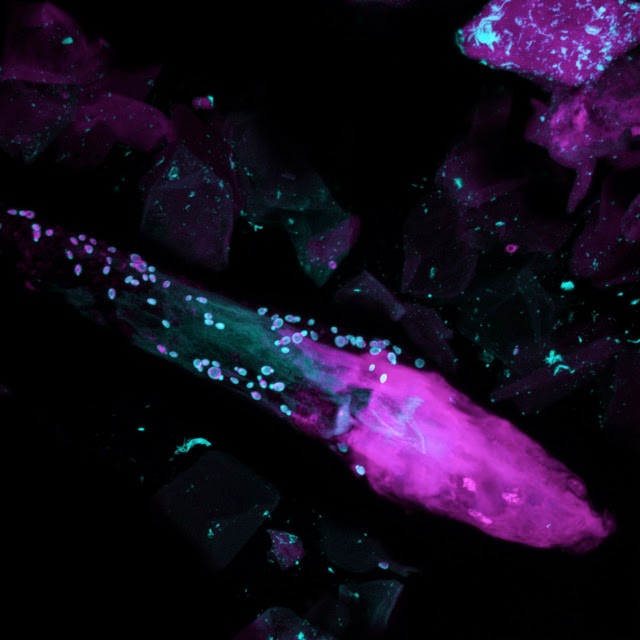
Fungus Among Us : Now that we’re finally comfortable about the microbiome in our gut, here comes news that our body surface is teeming with fungi! Researchers have sequenced and analysed fungal communities of 14 skin sites in 10 healthy adults. Most were dominated by species of Malassezia, a fat-loving Basidiomycete that lurks on oily scalps and promotes dandruff. Because this organism has lost the ability to synthesize essential fatty acids, it secretes dozens of enzymes that break down the oils on our skin. Lotions are Potions, yum! 

Fungal Foot Fetish: Surprisingly, our feet host the greatest fungal diversity- up to a 100 different species. Scientists speculate that the cooler temperatures of our extremities may allow our fungal friends to proliferate. But don’t be so quick to sanitize this microbial garden: most of these fungi are harmless commensals and keep the more dangerous microbes at bay. An imbalance can lead to nasty fungal infections like athlete’s foot. Did you know that this disease is virtually absent in barefoot cultures? (See http://en.wikipedia.org/wiki/Athlete’s_foot)

Image: Human hair covered in bacteria (magenta) and fungi (blue). Photo by Alex Valm.

Reference: Findley et al., Nature 2013 http://goo.gl/EqkPk

#ScienceEveryday  

Posted in Rajini Rao | Tagged | 36 Comments

Peek a Goby :Gobies are ornamental fish popular in home aquariums.

Peek a Goby :Gobies are ornamental fish popular in home aquariums. But these inch-long jeweled creatures are the unlikely heroes of coral reefs. Corals are threatened by seaweed that grow rapidly in tropical waters, thanks to overfishing and warming temperatures. They produce an oily substance that reacts chemically with the coral, bleaching it within a few days and decreasing coral’s photosynthetic ability by 80%.

Gobies to the Rescue: Within minutes of seaweed contact, or contact from only seaweed chemical extract, the coral releases its own chemical compound (not yet identified) that recruits gobies to trim the seaweed and dramatically reduce coral damage. In turn, the gobies become more toxic to their predators after consumption of this noxious alga and protect their home site.  Mutualism for the win!

Reference and Podcast: http://www.sciencemag.org/content/338/6108/804

Image: Maze dweller by Chhaya Werner http://goo.gl/DfzWi

#ScienceEveryday  

Posted in Rajini Rao | Tagged | 18 Comments